Why Wool Fabric Makes a Custom Suit Truly Premium: The Science and Craft Behind the World's Greatest Suiting Material
When tailors, designers, and the men who wear the world's finest suits are asked what separates a truly exceptional suit from a merely good one, the answer almost always begins with the same word: wool. Not a wool blend. Not a performance fabric. Not a synthetic that mimics wool's appearance. Wool. This guide explains why — in precise, honest terms — and what it means for anyone choosing a custom suit.
What Makes Wool Unique Among Suiting Fabrics
Wool is the product of millions of years of biological evolution. The wool fiber — specifically the fine wool of the Merino sheep — is a structure of extraordinary complexity: a protein filament covered in microscopic scales, with a natural crimp that gives it elasticity, and a hollow core that gives it insulating properties. No synthetic fiber has ever replicated this structure. No blend has ever matched its performance. Wool is, in the most literal sense, irreplaceable.
For suiting specifically, wool's properties align with the demands of the garment in a way that no other fiber can match. A suit must drape correctly, hold its shape through a full day of wear, breathe in warm environments and insulate in cold ones, resist wrinkles, and recover its shape after being folded or packed. Wool does all of these things. No other fiber does all of them simultaneously.
The Six Properties That Make Wool the Premium Choice
1. Drape: The Quality That Cannot Be Faked
Drape is the way a fabric falls and moves with the body. A fabric with excellent drape flows naturally, follows the body's contours, and creates the clean, fluid lines that define exceptional tailoring. A fabric with poor drape hangs stiffly, creates unwanted creases, and resists the body's movement rather than accommodating it.
Wool's natural crimp and elasticity give it a drape that no synthetic fiber can replicate. When a master tailor cuts a suit from fine wool, the fabric falls into the correct position almost of its own accord — the shoulder seam sits correctly, the chest lies flat, the trouser breaks at exactly the right point. This is not magic; it is the physics of a fiber that has evolved to move with a living body.
Synthetic fabrics — polyester, viscose, and their blends — lack this natural drape. They can be engineered to approximate it, but the approximation is always visible to an experienced eye. The difference between a wool suit and a synthetic suit in motion is the difference between a garment that looks alive and one that looks manufactured.

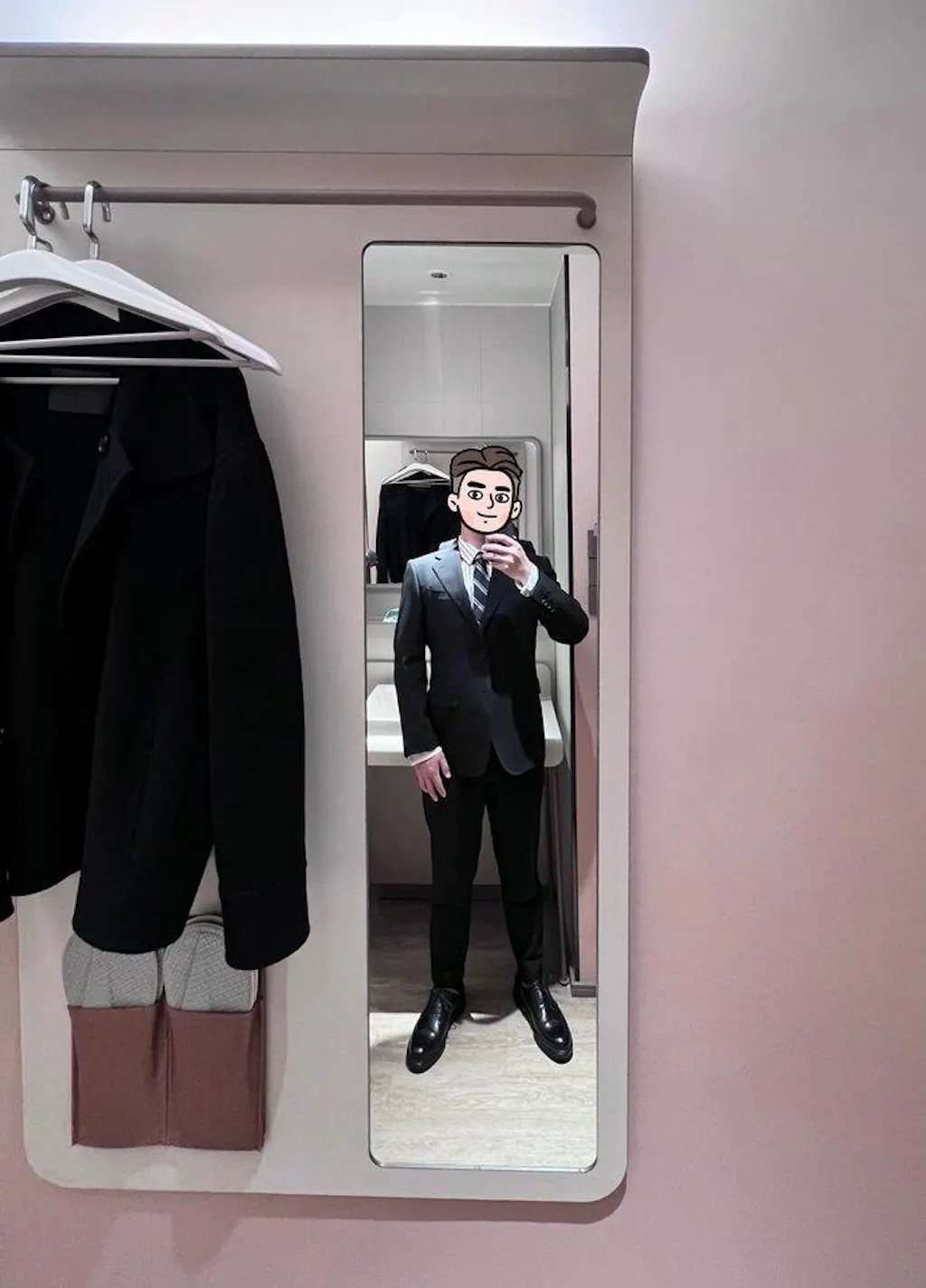
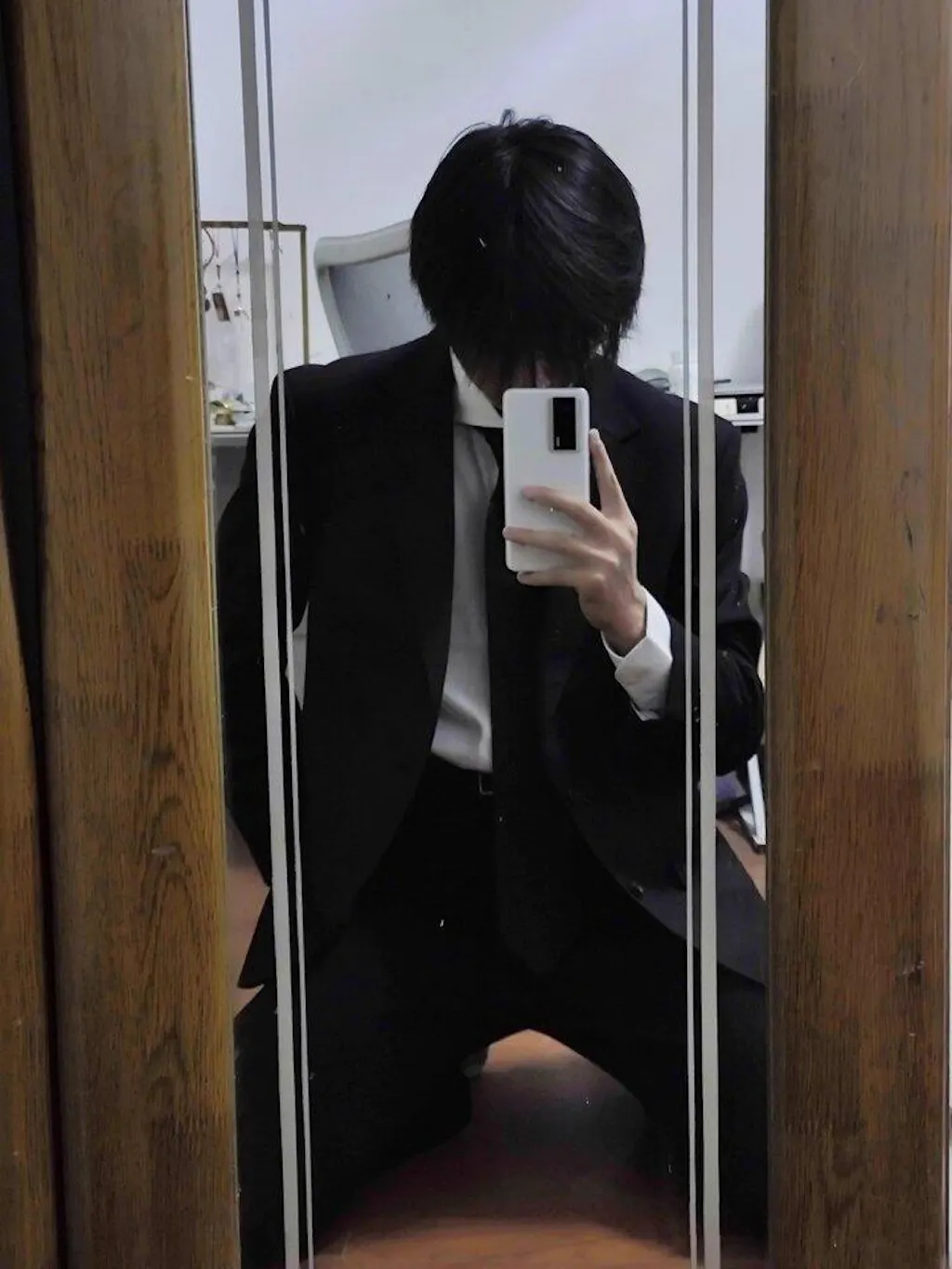
WIAI Custom Navy Blue Herringbone Wool Business Suit — the herringbone weave in fine wool demonstrates the natural drape and texture that only genuine wool can produce. Discover the hidden details that define exceptional tailoring.
2. Breathability: The Fiber That Regulates Temperature
Wool is one of the most effective natural temperature regulators known to science. The hollow core of the wool fiber traps air, providing insulation in cold conditions. The fiber's hygroscopic properties — its ability to absorb and release moisture — allow it to regulate humidity against the skin, keeping the wearer comfortable across a wide range of temperatures.
A fine wool suit can be worn comfortably in a heated office in winter and in an air-conditioned conference room in summer. It absorbs perspiration without feeling damp, releases it as vapor without retaining odor, and maintains its structure and appearance through a full day of wear in varying conditions.
Synthetic fabrics do not breathe in this way. They trap heat and moisture against the skin, creating discomfort in warm conditions and providing inadequate insulation in cold ones. A polyester suit worn through a long day of meetings will feel increasingly uncomfortable as the day progresses; a wool suit will feel the same at the end of the day as it did at the beginning.
3. Wrinkle Resistance: The Memory of Fine Fiber
Wool has a natural memory — the ability to return to its original shape after being compressed, folded, or creased. This is a direct consequence of the fiber's crimp structure: when compressed, the crimped fibers spring back to their original position, releasing wrinkles and restoring the fabric's smooth surface.
This property is particularly valuable in suiting. A wool suit that has been worn through a long day, folded in a bag, or slept in on a long-haul flight will recover its shape with minimal intervention — a light steam or simply hanging overnight is usually sufficient. A synthetic suit, lacking this memory, will retain creases and wrinkles that require pressing to remove.
For the professional who travels, presents, and appears in public regularly, this wrinkle resistance is not a luxury — it is a practical necessity.
4. Longevity: The Investment That Pays for Itself
A well-made wool suit, properly cared for, will last for decades. The fiber's natural resilience means that it does not break down under regular wear in the way that synthetic fibers do. The scales on the wool fiber interlock when the fabric is woven, creating a structure that resists pilling, fraying, and the gradual deterioration that affects synthetic fabrics.
The economics of wool suiting are straightforward: a fine wool suit that costs more than a synthetic suit will outlast it by many years, making the cost per wear significantly lower over time. A suit that lasts twenty years and is worn fifty times per year represents a cost per wear that no synthetic suit can match.
This is why the world's great fabric mills — Loro Piana, Zegna, Holland & Sherry, Vitale Barberis Canonico — have built their reputations entirely on wool. They are not selling a product; they are selling an investment.

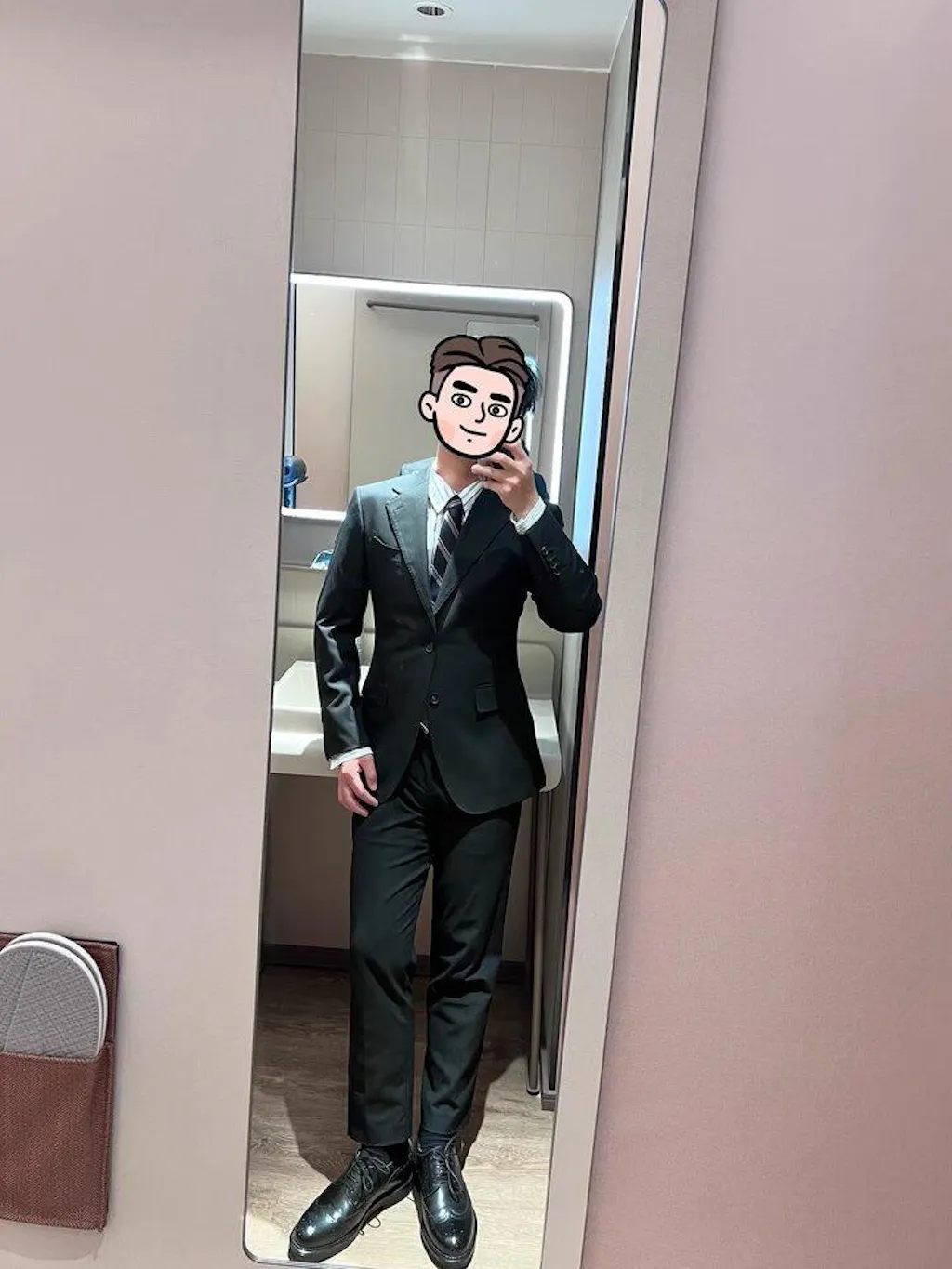
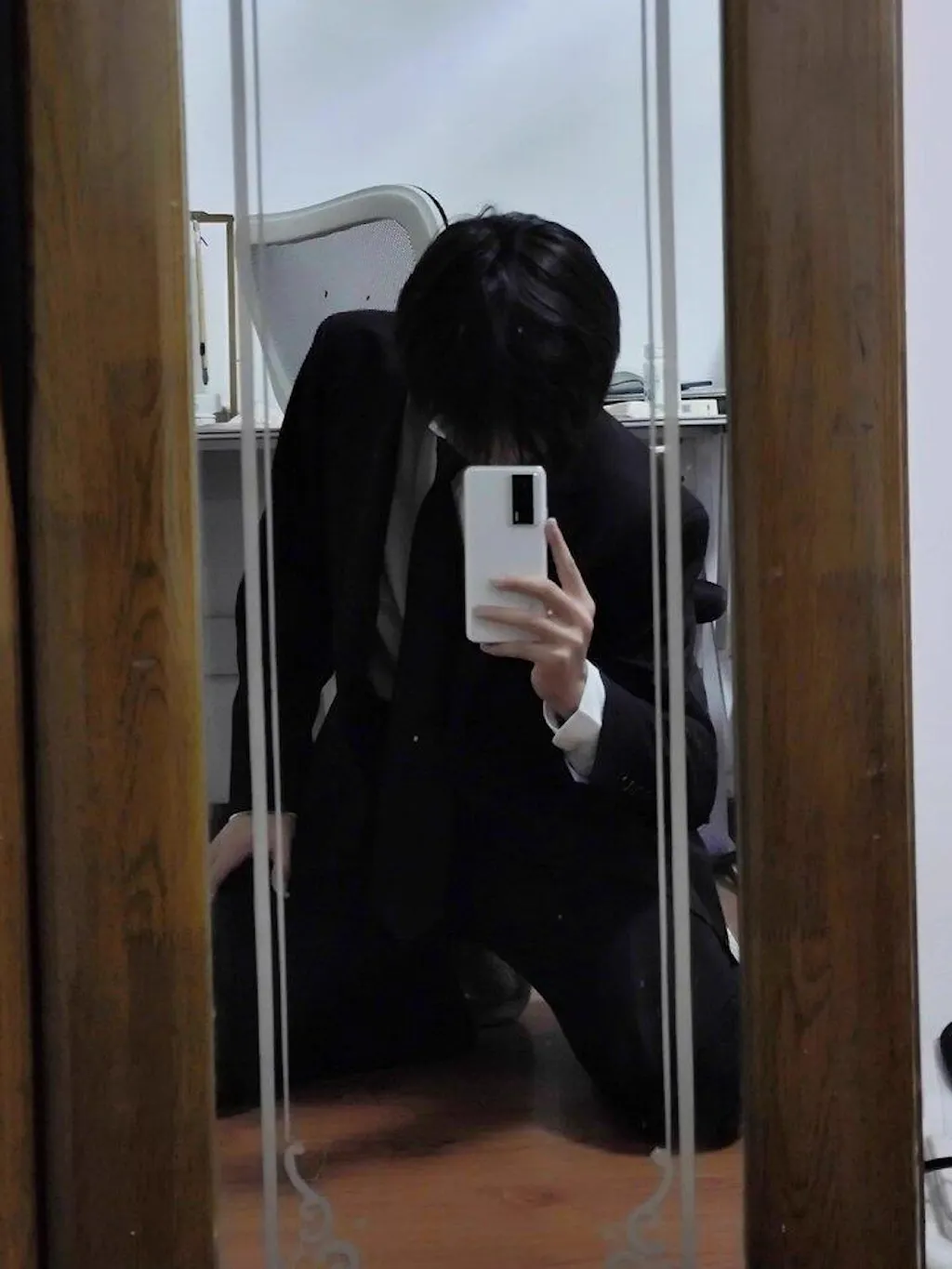
WIAI Custom Black Wool Slim Fit Business Suit — premium wool construction that will maintain its appearance and structure for years of regular wear. An investment, not an expense. Learn how to care for your wool suit to maximize its lifespan.
5. Tailorability: The Fabric That Responds to the Craftsman
Wool is the most tailorable fabric in existence. Its response to heat, steam, and pressure allows a skilled tailor to shape it in ways that no other fabric permits. The process of "blocking" — using a hot iron and steam to permanently reshape the fabric — is possible only with wool. It is how a tailor creates the three-dimensional shape of a jacket chest, the curve of a sleeve head, and the suppression of a waist.
This tailorability is why every great tailoring tradition — Savile Row, Neapolitan, Milanese, Hong Kong — is built on wool. The fabric responds to the craftsman's skill in a way that synthetic fabrics cannot. A master tailor working with fine wool can create a garment that fits the wearer's body with a precision that is simply not achievable in any other material.
For a custom suit, this tailorability is not an abstract quality — it is the reason the suit fits correctly. WIAI's master tailors use wool's response to heat and steam to create the precise three-dimensional shape that makes a custom suit look and feel different from anything off-the-rack.
6. Aesthetic Depth: The Visual Quality of Fine Fiber
Fine wool has a visual depth and richness that synthetic fabrics cannot replicate. The natural variation in the fiber — the subtle differences in diameter, crimp, and light reflection across thousands of individual fibers — creates a surface that appears to have depth and life. Under different lighting conditions, a fine wool suit will appear to change color slightly, catching light differently as the wearer moves.
This is the quality that photographers and cinematographers refer to when they say that wool "reads" better on camera than synthetic fabrics. It is why every major film and television production that requires characters to look genuinely well-dressed uses wool suiting. And it is why a fine wool suit looks better in photographs — including the photographs from your wedding, your graduation, or your most important professional moments — than any synthetic alternative.

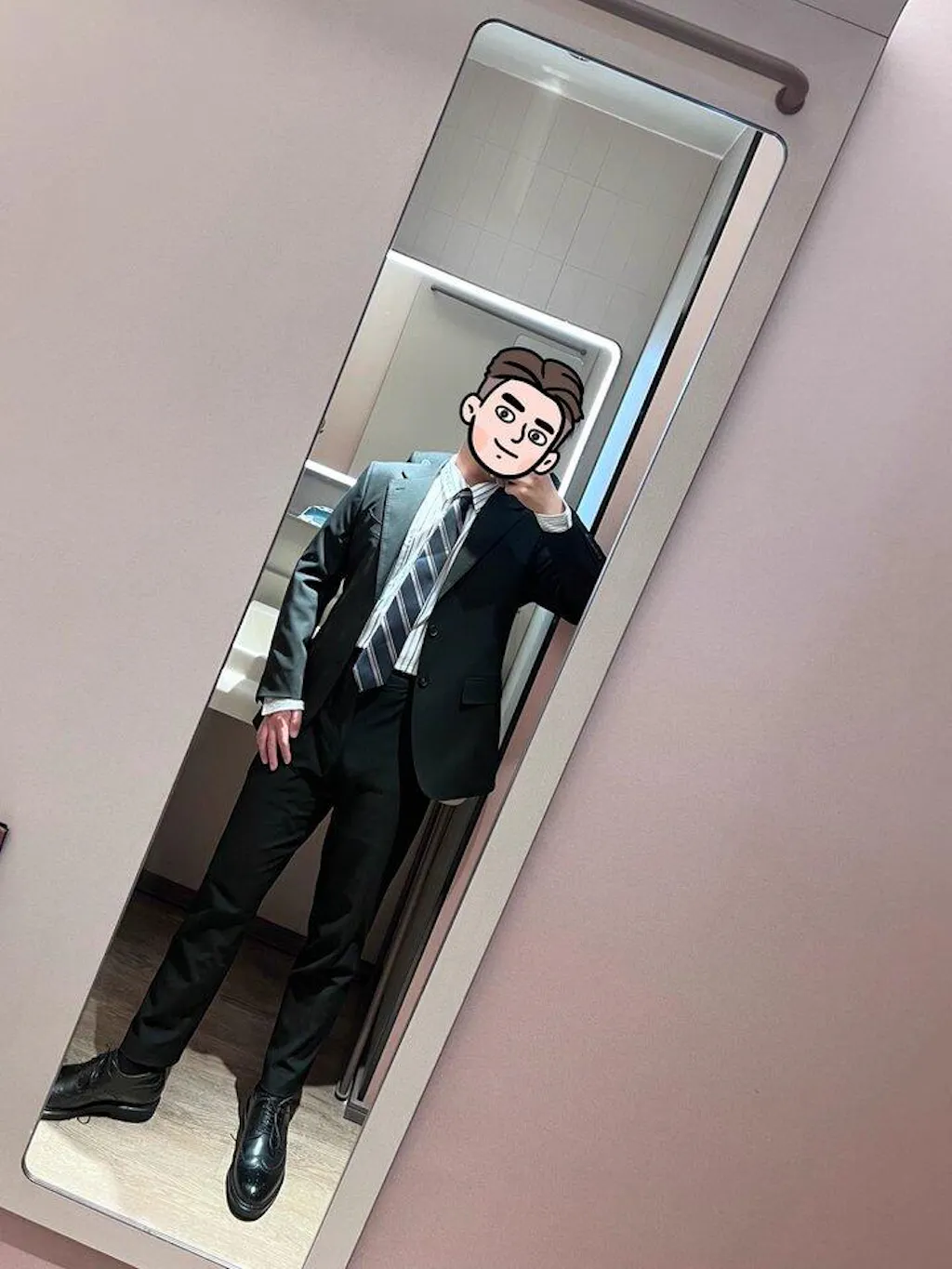
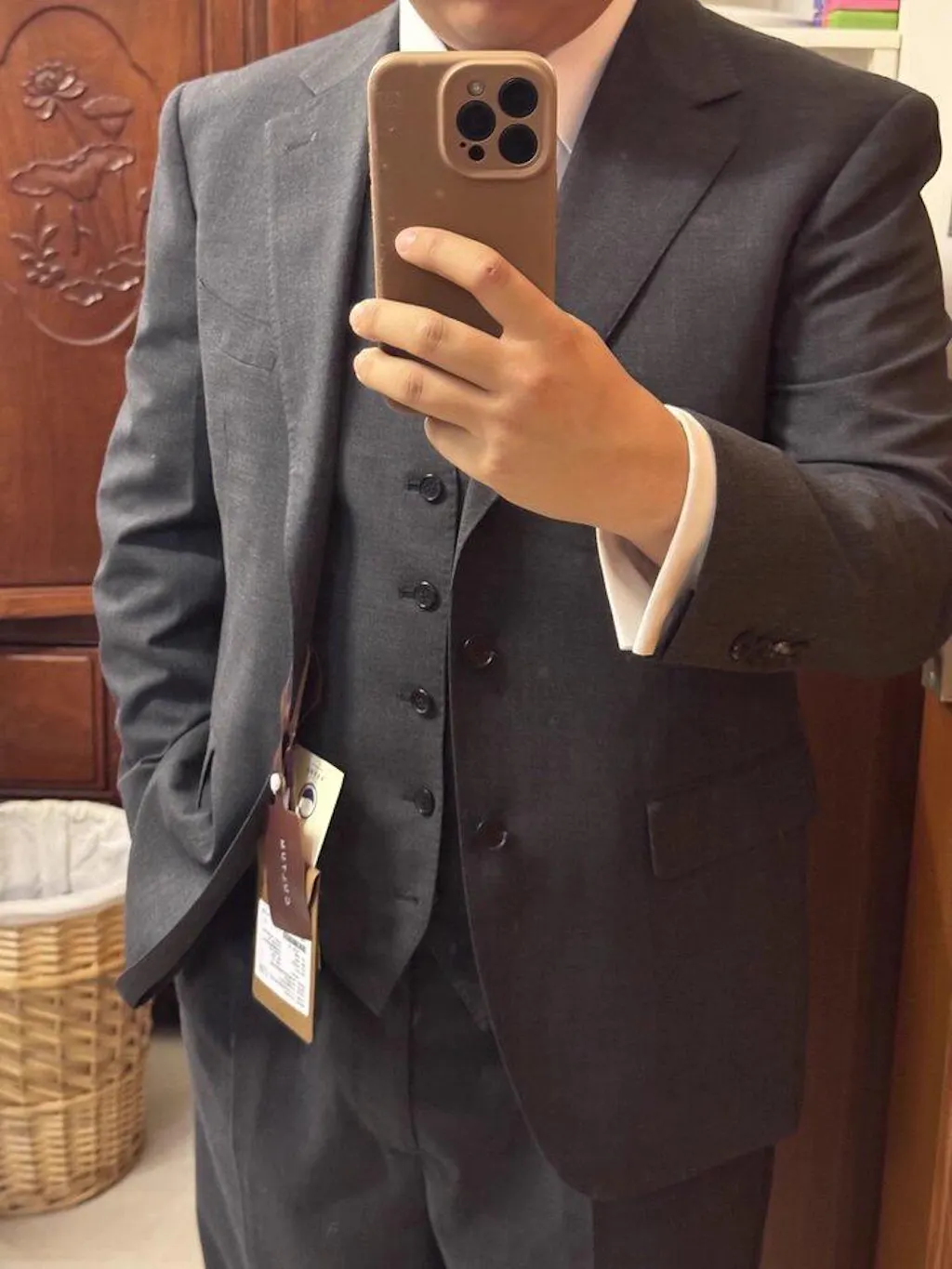
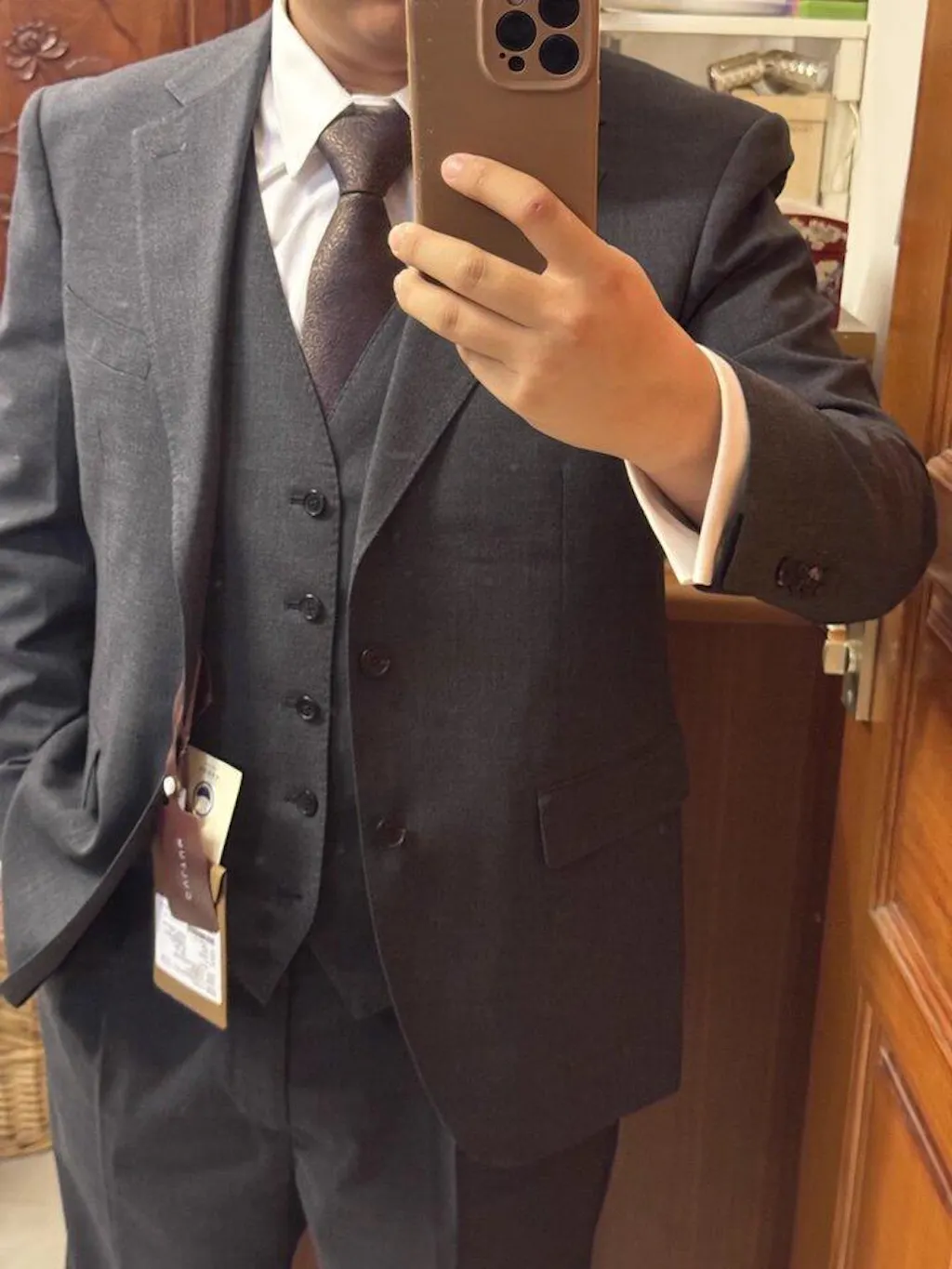
WIAI Custom Medium Gray Double-Yarn Twill Wool Suit — the double-yarn twill weave demonstrates the visual depth and richness that only fine wool can produce. A fabric that looks better in every light. Discover why a custom wool suit is the smartest investment in your wardrobe.
Understanding Wool Quality: Super Numbers Explained
Not all wool is equal. The quality of wool suiting fabric is measured by the fineness of the fiber, expressed as a "Super" number — Super 100s, Super 120s, Super 150s, and so on. The higher the number, the finer the fiber, the softer the hand, and the more luxurious the drape.
Super 100s to Super 120s: The Professional Standard
This range represents the ideal balance of luxury and durability for regular professional wear. The fabric is fine enough to feel genuinely luxurious against the skin, with excellent drape and a beautiful surface. It is robust enough to withstand regular wear without showing signs of deterioration. For a suit that will be worn frequently, this is the right range.
Super 130s to Super 150s: The Luxury Tier
At this level, the fiber is exceptionally fine — softer, more fluid, and more luxurious than the professional standard. The drape is extraordinary, and the surface has a depth and sheen that is immediately visible. The trade-off is durability: very fine wool is more delicate and requires more careful handling. This range is ideal for suits worn for special occasions or less frequently.
Super 150s and Above: The Pinnacle
At Super 150s and above, the fiber is so fine that the fabric feels almost like silk against the skin. These are the fabrics used by the world's most prestigious tailoring houses for their most important commissions. They are extraordinarily beautiful and extraordinarily delicate — appropriate for the most formal occasions and the most careful wearers.
Wool Weaves: How Construction Affects Performance
Beyond fiber fineness, the way wool is woven determines its weight, texture, and performance characteristics.
Worsted wool is the most common suiting fabric — tightly woven from long, combed fibers, producing a smooth, firm surface with excellent drape and wrinkle resistance. It is the foundation of professional suiting.
Herringbone is a worsted weave with a distinctive V-shaped pattern that adds visual texture and depth to the fabric. It is one of the most elegant suiting weaves, appropriate for both professional and formal wear.
Twill weaves — including double-yarn twill — produce a diagonal rib pattern that adds structure and visual interest to the fabric. Double-yarn twill is particularly robust and holds its shape exceptionally well.
Flannel is a softer, slightly napped wool fabric with a matte surface and a warmer hand. It is the classic autumn and winter suiting fabric — heavier, warmer, and more casual in character than worsted.

WIAI Custom Navy Blue Wool Formal Business Suit — premium wool construction in a classic navy worsted. The foundation of any serious professional wardrobe. Discover why WIAI leads the factory-direct custom suit category.
Why Wool Blends Are a Compromise
Many suits are marketed as "wool blend" — a combination of wool with polyester, viscose, or other synthetic fibers. The appeal is price: blended fabrics are cheaper to produce than pure wool. The reality is performance: every synthetic fiber added to a wool blend reduces the fabric's drape, breathability, wrinkle resistance, and longevity.
A 70% wool / 30% polyester blend does not perform at 70% of pure wool's standard. The synthetic fibers actively interfere with wool's natural properties, producing a fabric that is inferior in every measurable dimension. The cost saving is real; the performance compromise is equally real.
For a custom suit — a garment you are investing in for years of wear — the compromise is not worth making. WIAI uses pure wool fabrics as standard, because the performance difference is not marginal. It is fundamental.
WIAI: Premium Wool, Precision Fit, Master Craftsmanship
Every WIAI custom suit is made from premium wool fabric — selected for its fiber quality, weave construction, and performance characteristics. Our fabric selection includes options from the world's great mills, across a range of weights, weaves, and Super numbers to suit every occasion and every preference.
Combined with our smart body measurement technology and full canvas construction, premium wool fabric produces a suit that looks, feels, and performs at the highest level — a garment that justifies the investment every time you wear it.
The question is not whether wool is worth it. The question is whether you are ready to experience the difference.
Explore WIAI's premium wool custom suit collection — the finest fabrics, precision fit, and master craftsmanship, delivered anywhere in the world.