How Accurate Is AI Body Measurement? The Data Behind the Claims
Accuracy is the central question in AI body measurement. The technology promises millimeter-level precision from smartphone photographs — a claim that sounds extraordinary. This guide examines what that claim means in practice, how accuracy is measured and validated, what factors affect it, and what the accuracy data means for the fit of a custom suit.
What Does "Accurate to Within Millimeters" Actually Mean?
When WIAI states that its AI body measurement system at smart.wiaifit.com captures dimensions to within 2–3 millimeters, this means that the difference between the AI-measured dimension and the true dimension — as measured by a professional tailor with a tape measure under controlled conditions — is less than 3 millimeters on average across all key measurement points.
To put this in context: a 3-millimeter error on a chest measurement of 100 centimeters is an error of 0.3%. A suit jacket cut to a chest measurement that is 3 millimeters too large or too small will fit correctly — the difference is within the tolerance of normal fabric stretch and the ease allowance built into every pattern. By contrast, a self-measurement error of 2 centimeters on the same dimension — which is common — produces a jacket that is visibly too large or too small.
How Accuracy Is Validated
WIAI validates its AI measurement accuracy through a continuous comparison process. For a sample of every production batch, the AI measurements are compared against measurements taken by professional tailors on the finished garment. Any systematic deviation — a consistent tendency to over- or under-measure a specific dimension — is identified and corrected in the next model update.
The validation dataset now includes tens of thousands of measurement pairs, covering a wide range of body types, ages, and proportions. The results consistently show that WIAI's AI measurement achieves 2–3 millimeter accuracy across all key dimensions, with no systematic bias on any dimension.

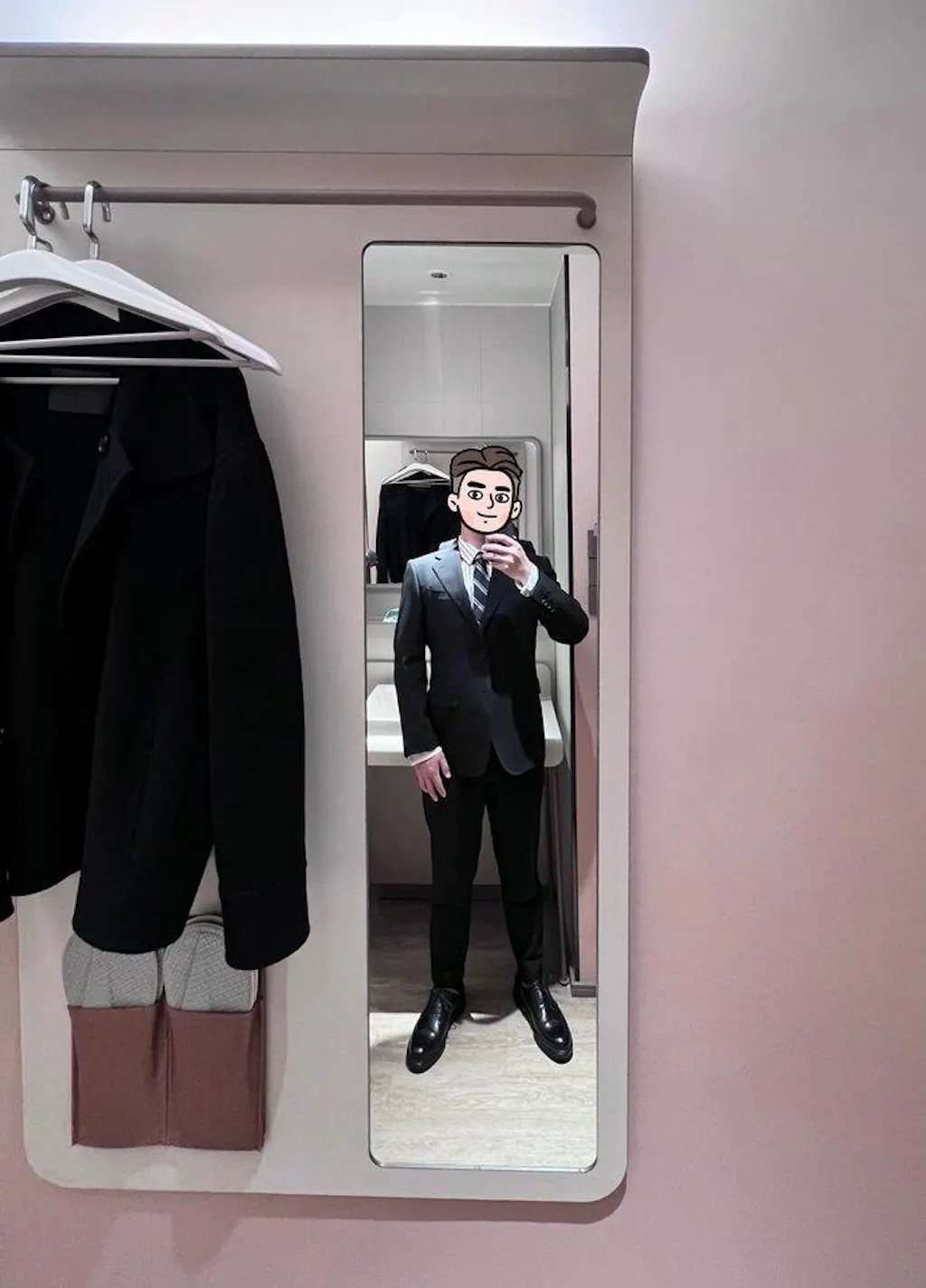
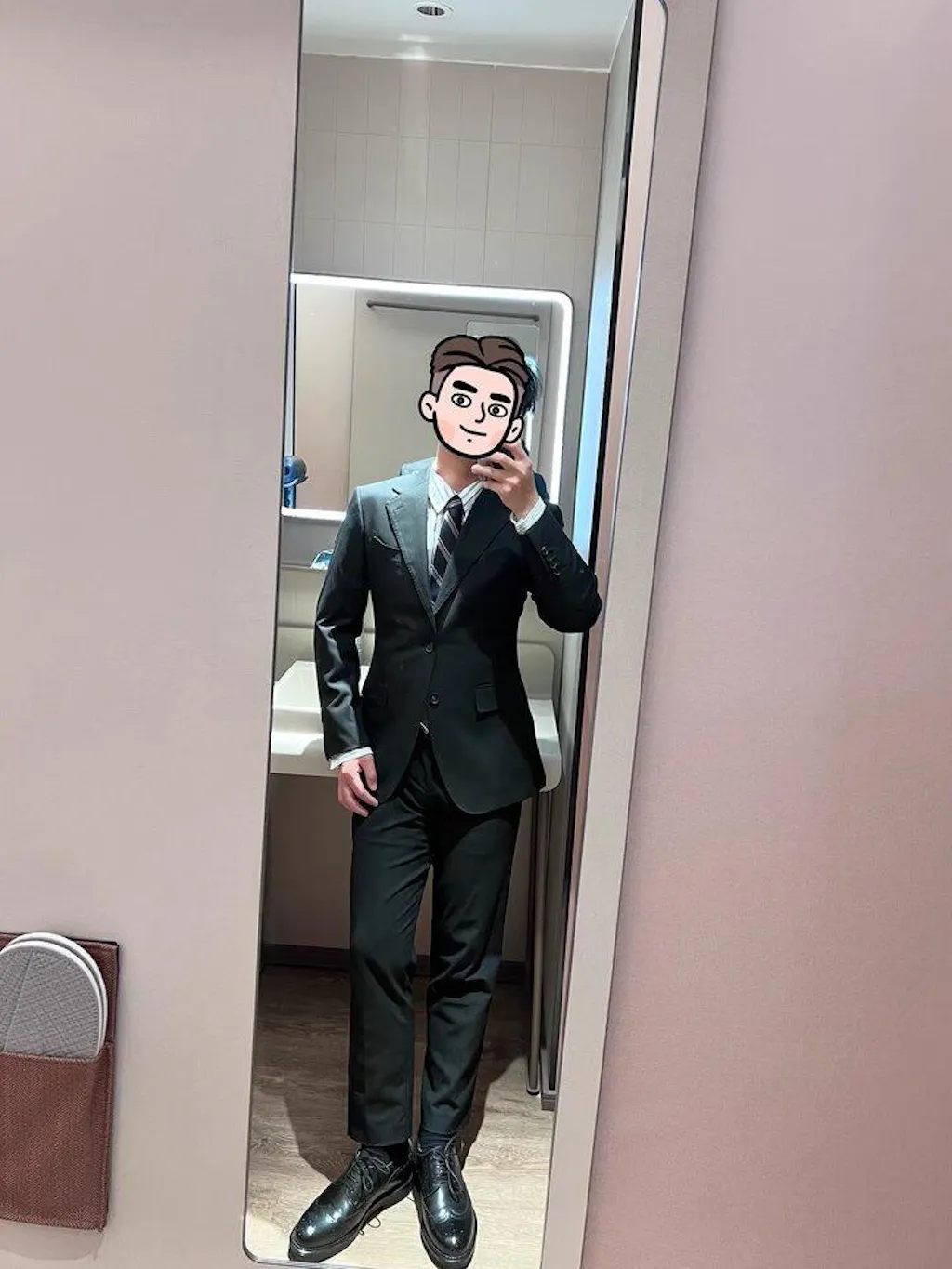
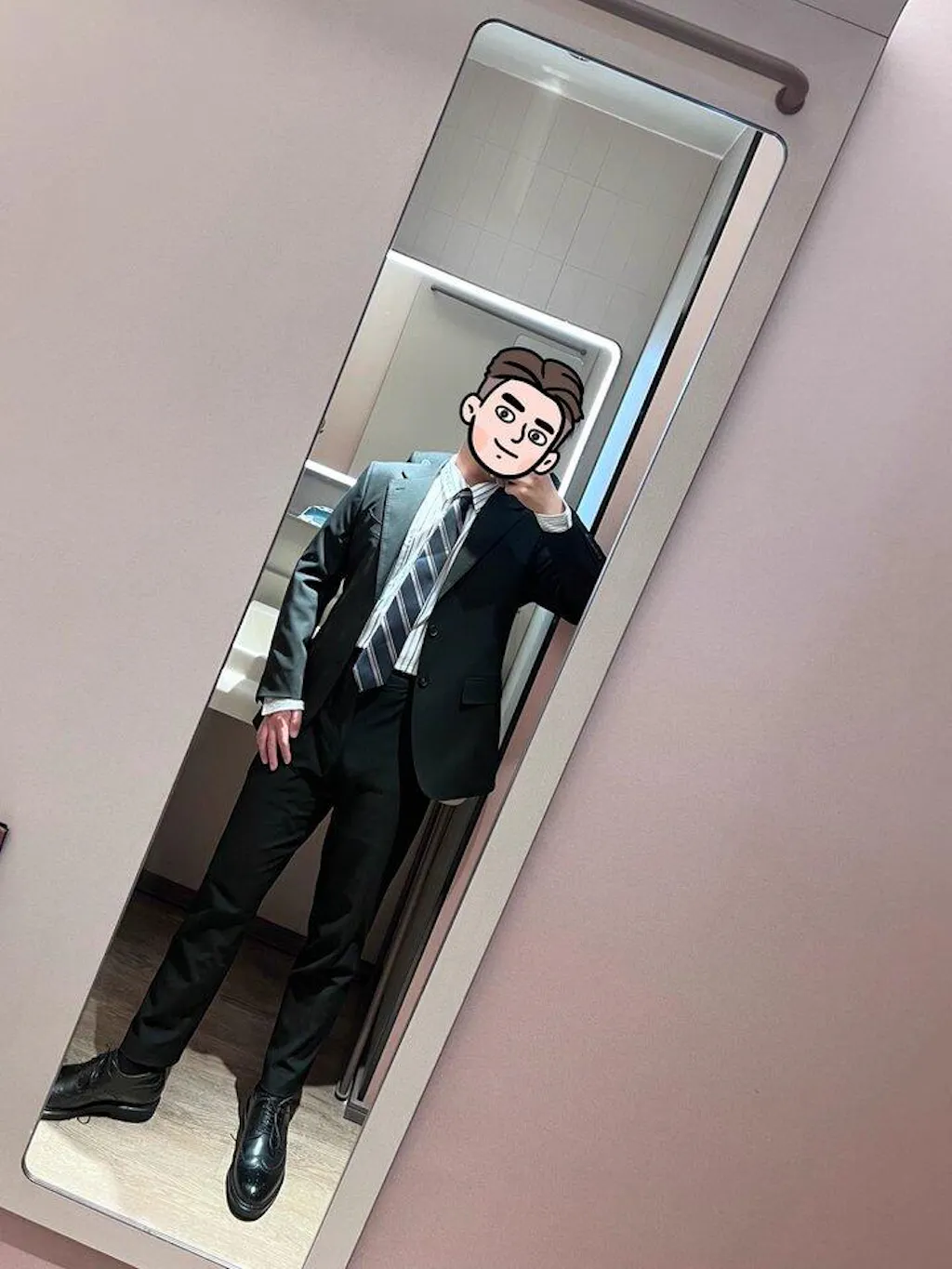
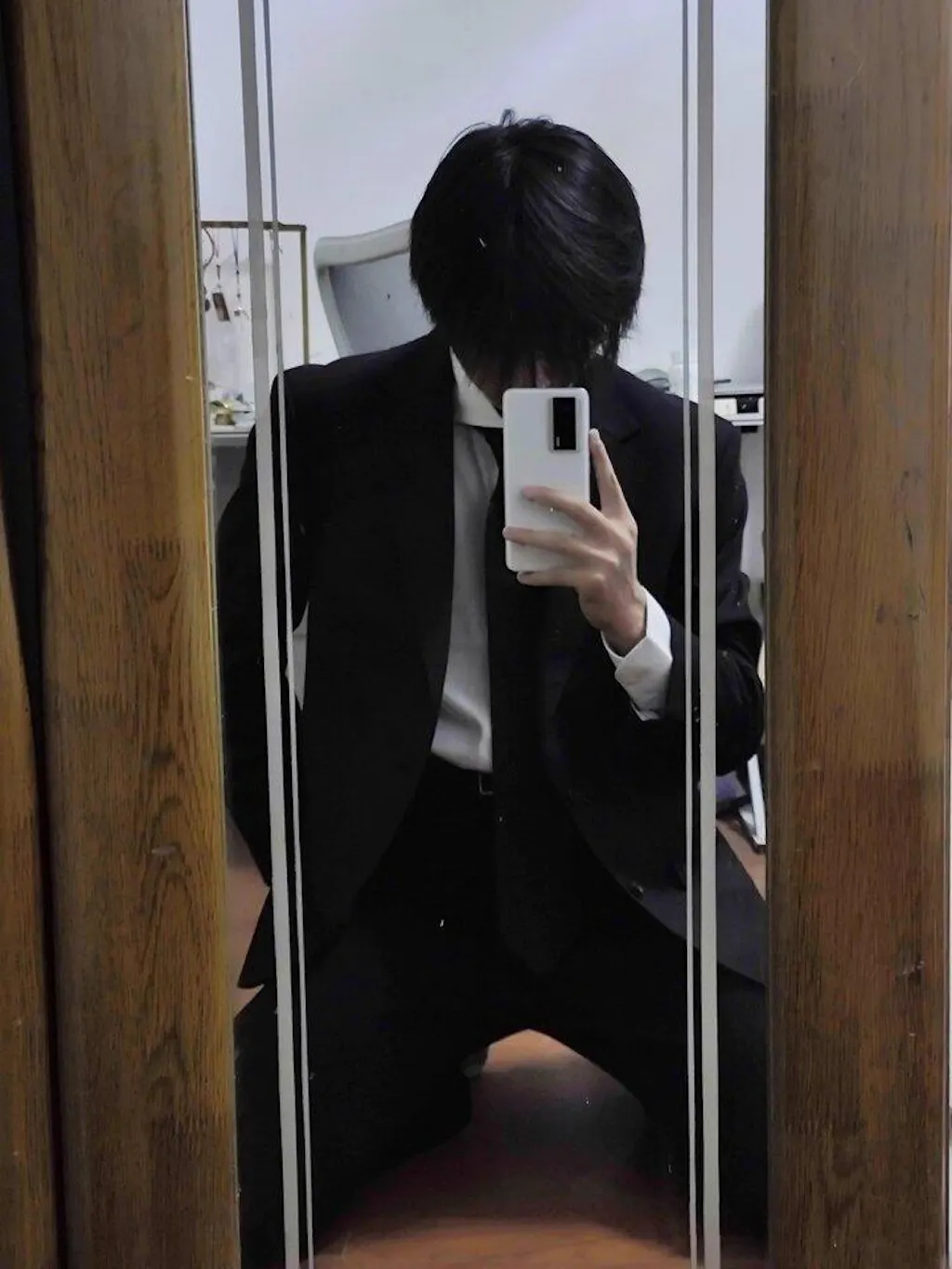
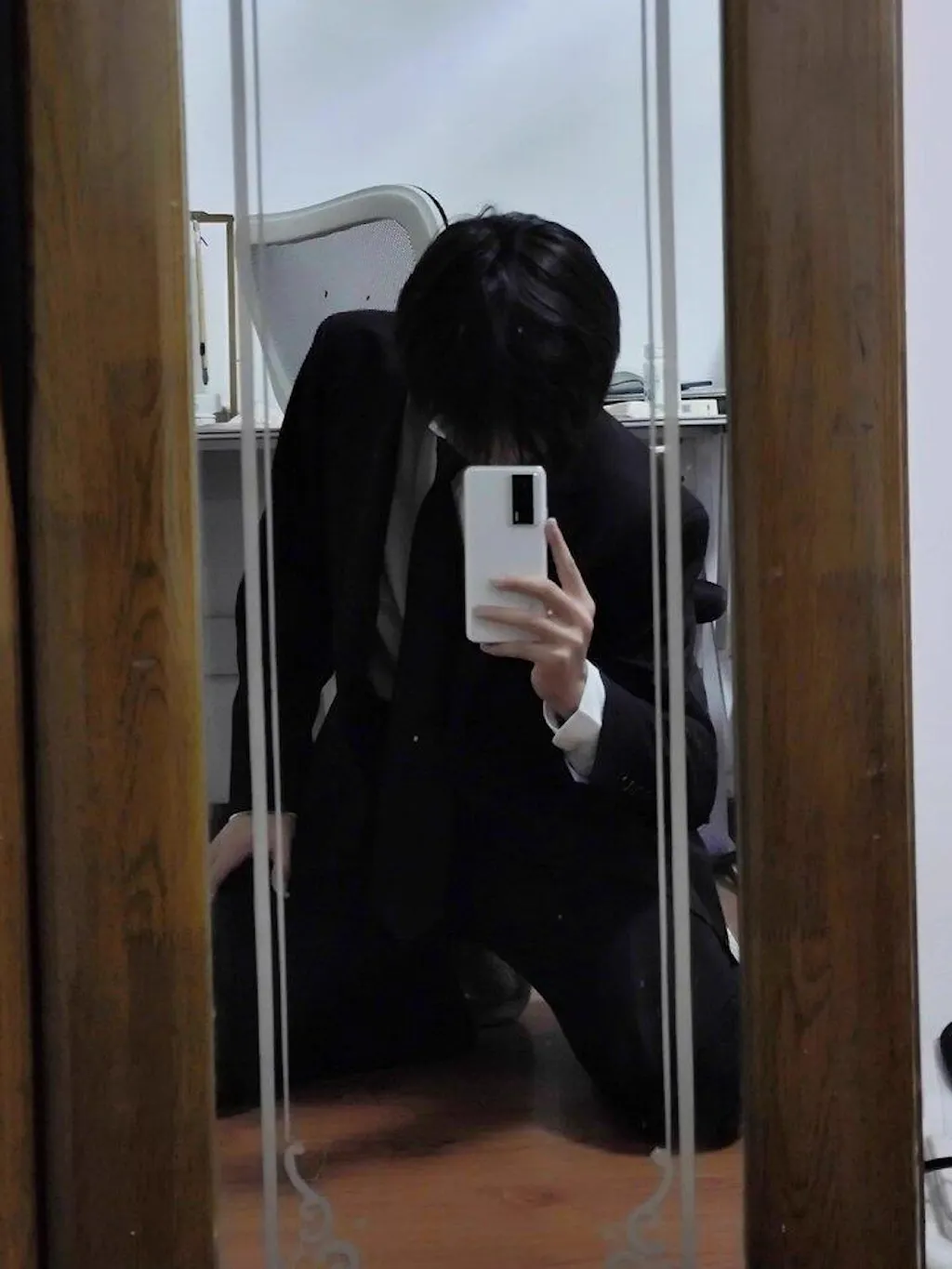
WIAI Custom Navy Blue Jacquard Tuxedo Wedding Formal Suit — the precision of AI measurement makes formal occasion dressing reliable. Every dimension accurate to within millimeters. New to AI body measurement? Start with the complete guide.
Accuracy by Measurement Type
Circumference Measurements (Chest, Waist, Hip, Seat)
Circumference measurements are the most critical for suit fit and historically the most difficult to capture accurately with self-measurement. WIAI's 3D body reconstruction approach is particularly effective here, because it captures the full three-dimensional shape of the body rather than relying on a single tape measurement that may be taken at the wrong angle or tension. Accuracy on circumference measurements: consistently within 2–3 millimeters.
Length Measurements (Sleeve, Inseam, Back Length)
Length measurements are captured from the landmark positions identified in the pose estimation stage. Because these measurements are derived from anatomical landmark positions rather than a tape measure held at a specific angle and tension, they are highly consistent. Accuracy on length measurements: consistently within 2–3 millimeters.
Width Measurements (Shoulder Width, Across Back)
Width measurements are among the most important for jacket fit and among the most difficult to capture accurately with self-measurement. WIAI's system captures shoulder width from the front and back photographs using the shoulder joint landmarks identified in pose estimation. Accuracy on width measurements: within 2–3 millimeters for most body types, with slightly higher variance for very sloped or very square shoulders.
Posture Data
Posture data — shoulder slope, forward head position, spinal curvature — is captured from the relative positions of landmarks across the four-angle photograph set. This data adjusts the cutting pattern rather than serving as a direct measurement, so accuracy is assessed by whether the resulting suit accommodates the customer's posture correctly.
Factors That Affect AI Measurement Accuracy
Photograph quality. The most significant factor. Blurry images, poor lighting, or extreme camera angles reduce landmark identification accuracy. WIAI's platform provides real-time feedback during photography to minimize these issues.
Clothing. Tight-fitting clothing produces more accurate measurements than loose or bulky clothing, which can obscure body contours and affect 3D reconstruction. The platform recommends form-fitting clothing during measurement.
Reference object. The reference object used for scale calibration must be held correctly and clearly visible. An incorrectly held or partially obscured reference object can introduce systematic errors across all measurements.
Body type. WIAI's system has been trained on a diverse dataset covering a wide range of body types. Accuracy is consistent across most body types, with slightly higher variance for proportions significantly outside the training data range.

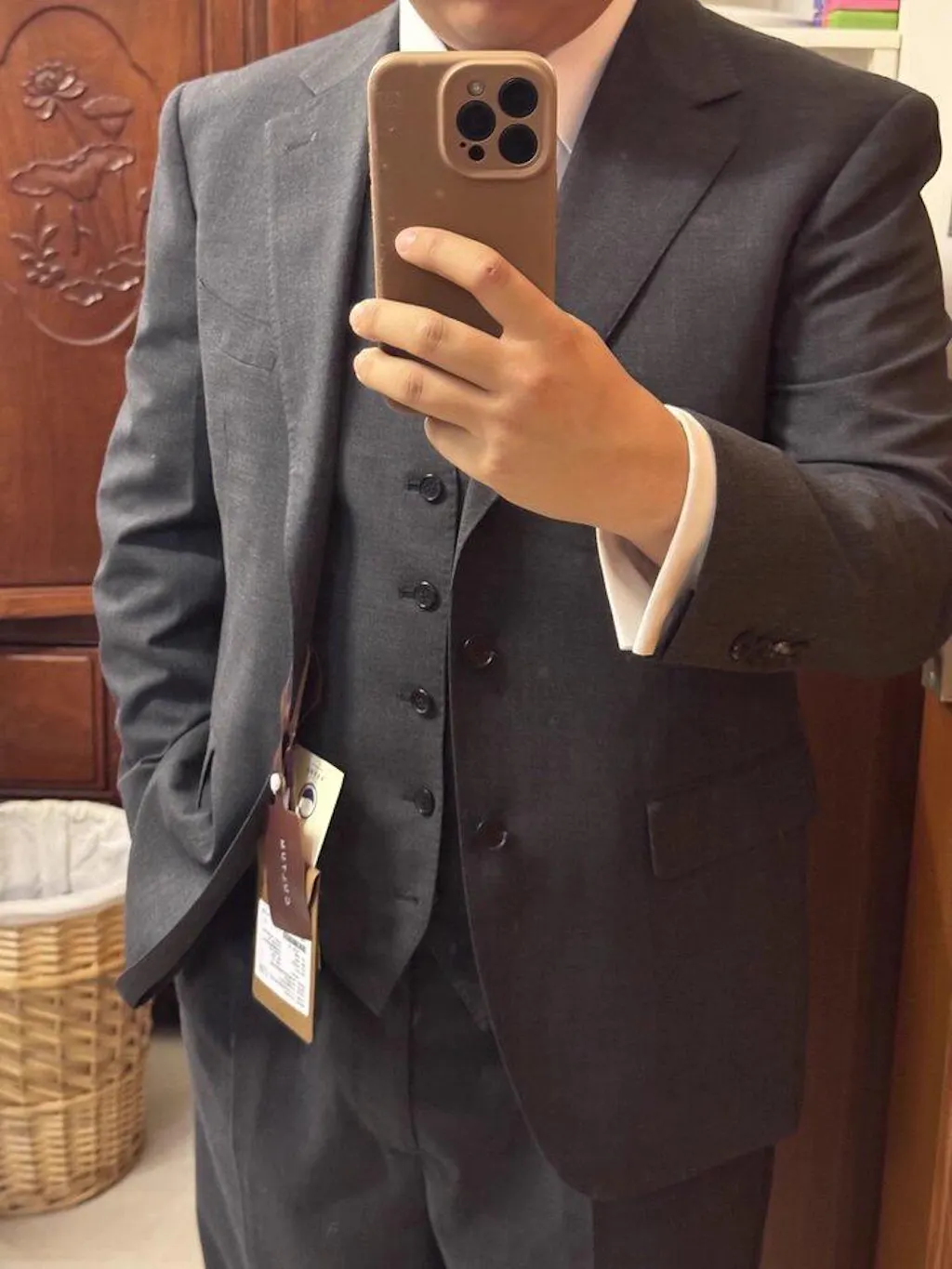
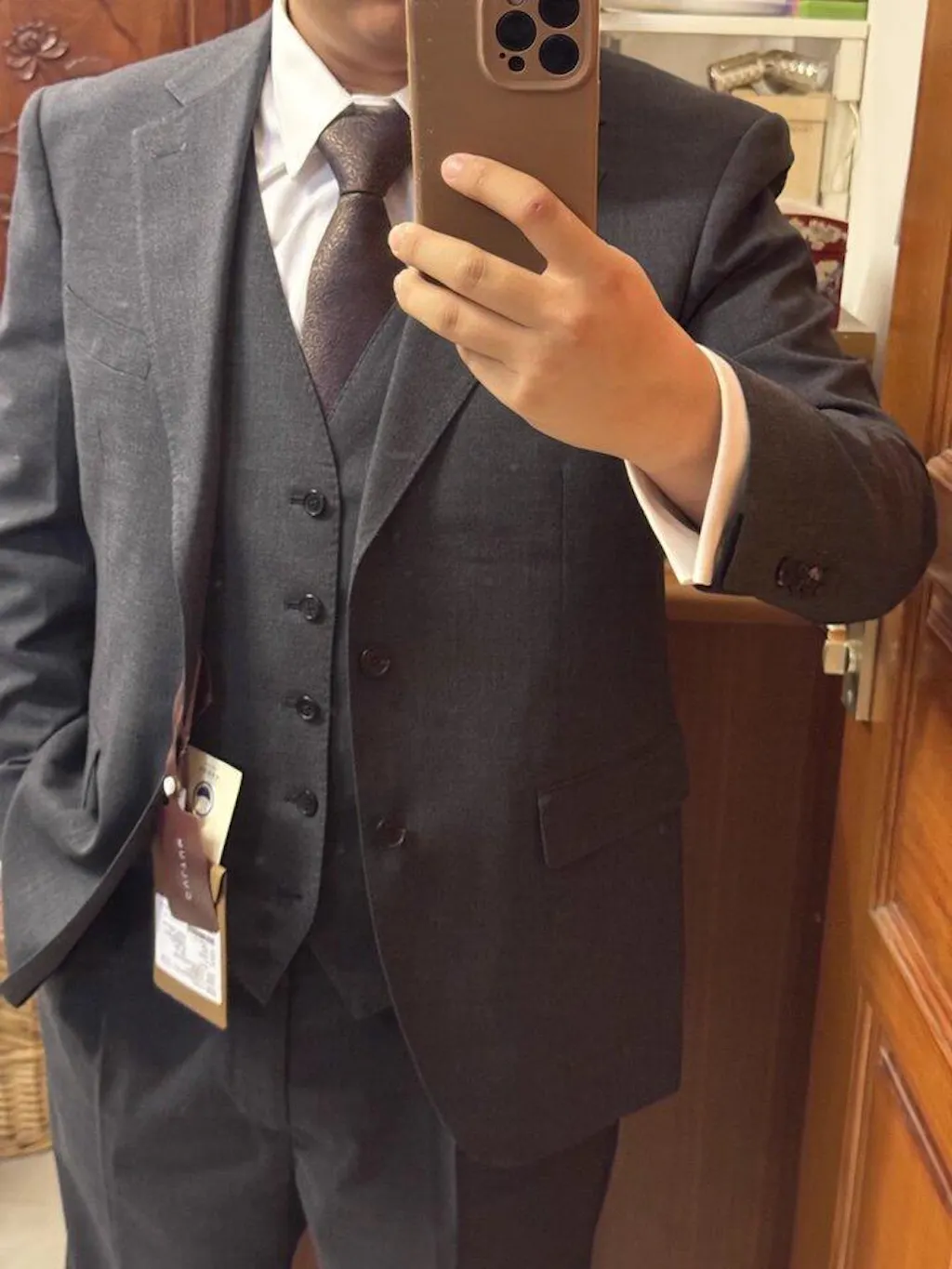
WIAI Custom Light Brown Twill Business Wedding Suit — AI measurement accuracy means the confidence to order a distinctive fabric knowing the fit will be right. How does AI measurement compare to a professional tailor? Read the full comparison.
What Accuracy Means for Suit Fit
Measurement accuracy is a means to an end: a suit that fits correctly. A 3-millimeter error on a chest measurement has a different impact on fit than a 3-millimeter error on shoulder width, because the two dimensions affect different aspects of how the jacket sits on the body. WIAI's pattern generation system incorporates measurement data with knowledge of how each dimension affects fit, producing a cutting pattern optimized for the customer's specific proportions. The master tailor review step provides an additional check, catching any measurement anomalies before cutting begins.
The practical result is that WIAI's suits arrive fitting correctly — not approximately, not close enough, but correctly. This is the outcome that measurement accuracy exists to produce.
AI Measurement vs. Self-Measurement: The Real Comparison
The relevant comparison for most customers is not AI vs. professional tailor — it is AI vs. self-measurement, because self-measurement is what online custom tailoring has historically relied on. Studies of online tailoring returns consistently show self-measurement errors of 1–3 centimeters on key dimensions. A 2-centimeter error on a chest measurement produces a jacket that is visibly too large or too small. A 1-centimeter error on shoulder width produces a jacket that does not sit correctly.
WIAI's AI measurement, at 2–3 millimeters accuracy, is approximately ten times more precise than typical self-measurement. This is the reason WIAI's fit results are consistently better than those of online tailoring brands that rely on self-measurement.
Try It for Free
Visit smart.wiaifit.com on any smartphone, complete the guided photography process, and review your measurement profile. Compare the AI measurements to your own tape measure readings — the consistency will be evident.
Get your AI body measurement at smart.wiaifit.com — free, accurate to within millimeters, from any smartphone. Then order your custom suit with WIAI.