Why Good Suits Need Dry Cleaning: The Science of Suit Care
You have invested in a suit that fits perfectly, is made from premium wool, and was constructed with the care that exceptional tailoring demands. Now the question is: how do you keep it that way? The answer begins with understanding why good suits and water do not mix — and why dry cleaning, done correctly, is not a luxury but a necessity.
The Problem with Water and Wool
Wool is one of the most remarkable natural fibers in existence. It breathes, regulates temperature, resists wrinkles, and drapes with a weight and fluidity that synthetic fabrics cannot replicate. But wool has one significant vulnerability: water.
When wool fibers are exposed to water — particularly warm water combined with agitation — they undergo a process called felting. The microscopic scales on each wool fiber interlock and contract, causing the fabric to shrink, stiffen, and lose its shape permanently. A suit jacket that has been machine-washed will never recover its original drape, structure, or fit. The damage is irreversible.
This is not a flaw in wool. It is a characteristic of the fiber that tailors have understood for centuries. The solution is not to avoid wool — it is to clean it correctly.

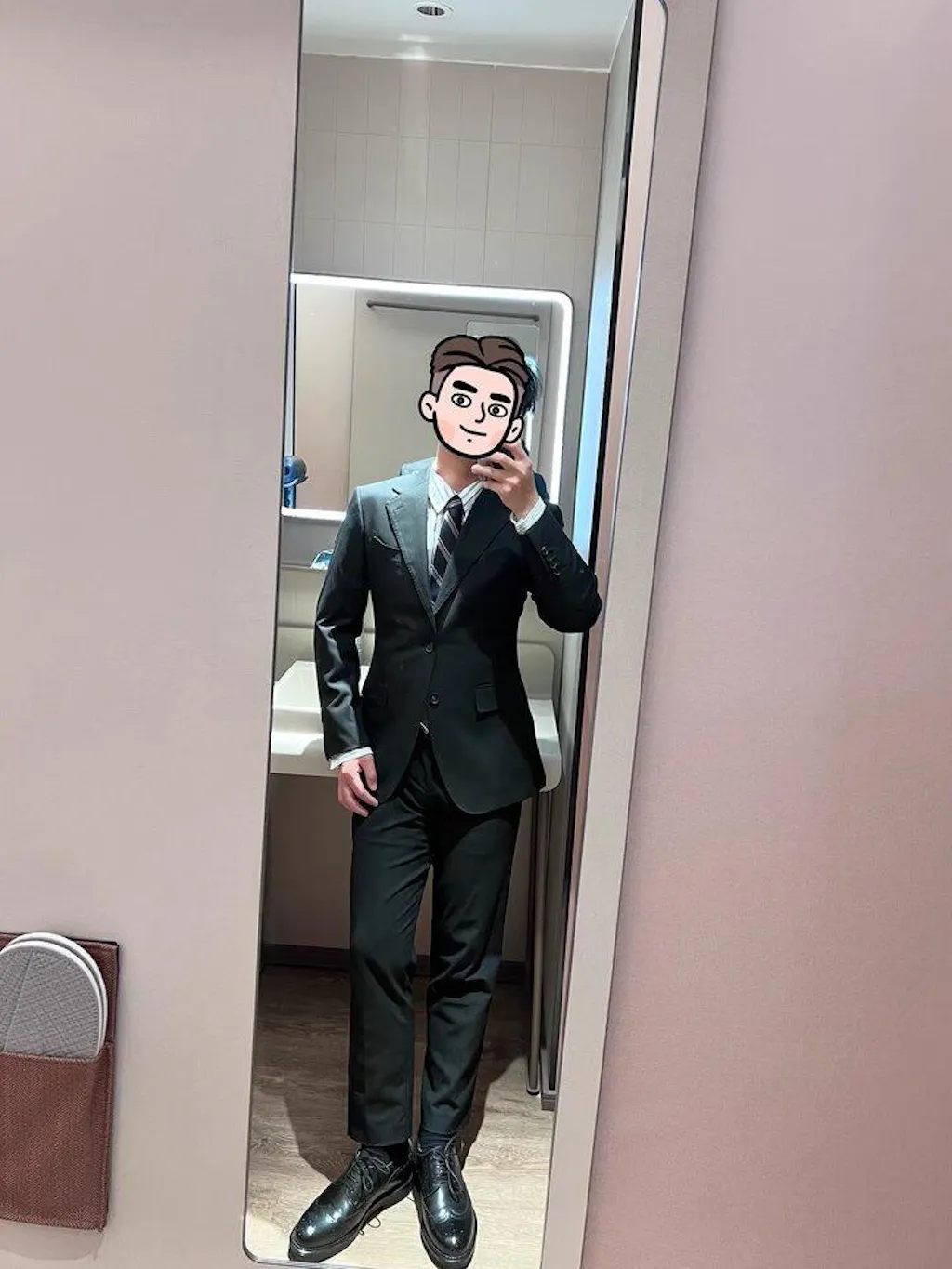
WIAI Custom Dark Blue Plaid Suit Set — premium wool construction. A suit this well-made deserves care that preserves its structure and drape for years to come. Learn about the hidden details that make a bespoke suit exceptional.
What Dry Cleaning Actually Does
Despite its name, dry cleaning is not entirely dry. It uses a liquid solvent — most commonly perchloroethylene (perc) or, increasingly, more environmentally friendly alternatives — to dissolve and remove oils, stains, and dirt from fabric without using water.
The key difference is that these solvents do not cause the felting reaction that water triggers in wool. They clean the fabric without penetrating the fiber structure in the same way, preserving the integrity of the weave, the shape of the canvas, and the drape of the garment.
A professional dry cleaner also presses the suit after cleaning — using steam and specialized pressing equipment to restore the jacket's shape, the trouser's crease, and the lapel's roll. This pressing is as important as the cleaning itself. It is what makes a dry-cleaned suit look as though it has just been made.
The Canvas Question: Why Dry Cleaning Matters More for Bespoke
For a full canvas bespoke suit, the stakes of incorrect cleaning are even higher. The canvas — the internal structure of horsehair and wool that gives the jacket its shape — is hand-stitched to the outer fabric. Water and agitation can cause the canvas to shift, buckle, or separate from the outer fabric, destroying the structure that took a master tailor hours to create.
Dry cleaning preserves the canvas. It cleans the outer fabric without disturbing the internal construction. For a suit that represents a significant investment in craftsmanship, this is not a minor consideration — it is the difference between a suit that lasts twenty years and one that is ruined after a single incorrect wash.

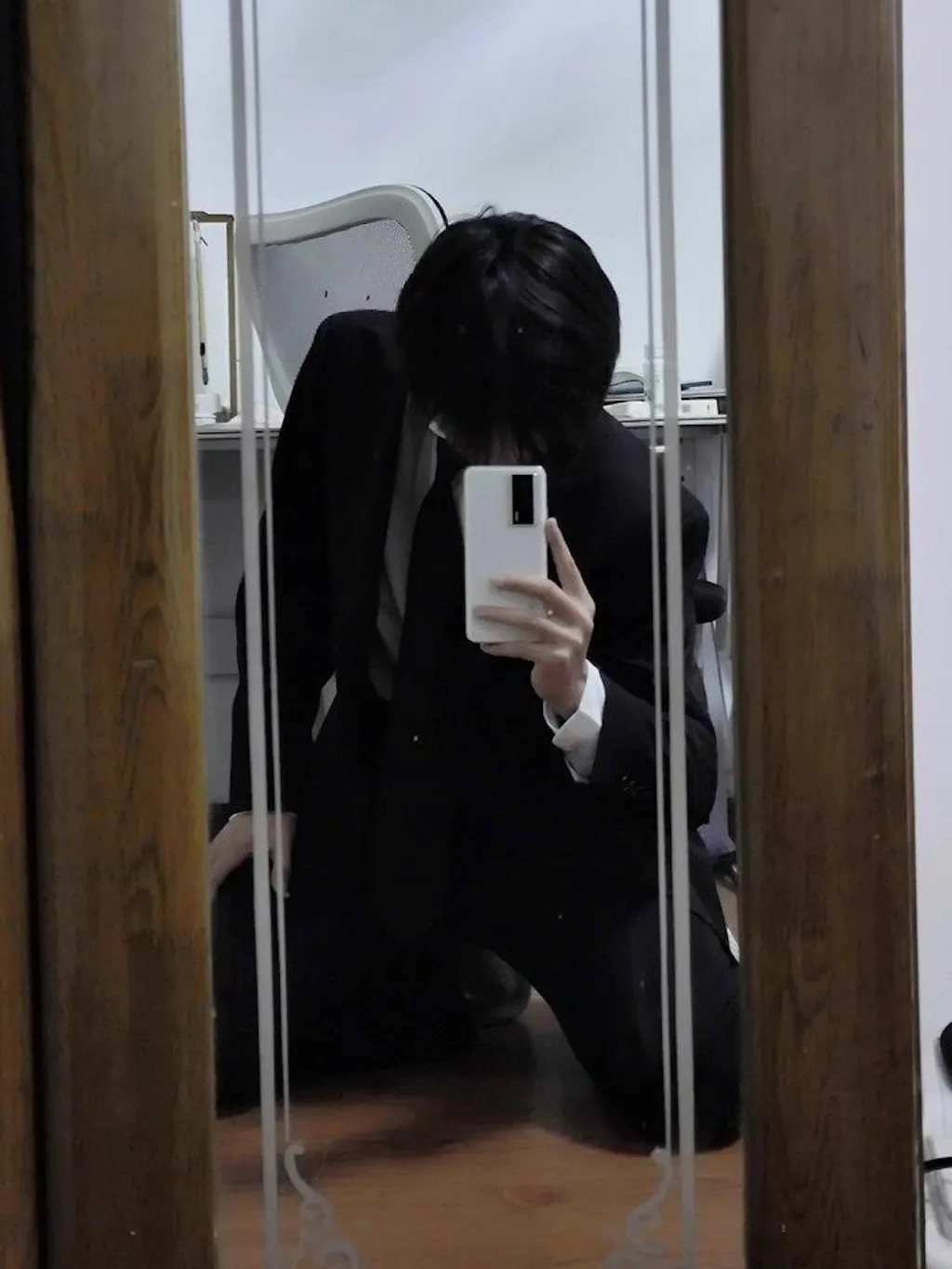
WIAI Custom Brown Plaid Wool Blazer Suit Set — rich wool fabric that rewards proper care with years of exceptional wear. Discover the essential details of wearing a suit correctly.
How Often Should You Dry Clean a Suit?
This is where most suit owners make a critical mistake: dry cleaning too frequently. The solvents used in dry cleaning, while gentler than water on wool, are still chemically active. Repeated dry cleaning gradually weakens wool fibers, dulls the fabric's surface, and shortens the life of the garment.
The correct approach is to dry clean as infrequently as possible — and to use other methods of maintenance between cleanings.
For a suit worn once or twice a week: Dry clean no more than once or twice per year.
For a suit worn occasionally: Dry clean only when visibly soiled or when odors cannot be removed by airing.
Between dry cleanings: Use the daily maintenance practices described below to keep the suit fresh and presentable without chemical intervention.
Daily Maintenance: The Practices That Reduce Dry Cleaning Frequency
The goal of daily suit maintenance is to extend the time between dry cleanings as long as possible. These practices are simple, take minutes, and make a significant difference to the longevity of the garment.
Airing After Wearing
After each wearing, hang the suit on a wide wooden hanger and allow it to air for at least 24 hours before wearing it again. This allows moisture — from perspiration and ambient humidity — to evaporate from the fabric. Wool is naturally moisture-wicking, and airing allows it to release absorbed moisture and recover its shape.
Never store a suit in a garment bag immediately after wearing. The bag traps moisture and creates conditions for mildew and odor.
Brushing
A soft-bristled suit brush used after each wearing removes surface dust, lint, and debris before they can work their way into the fabric's weave. Brush in the direction of the fabric's nap — downward on the jacket body, following the grain of the fabric. This simple habit, taking less than two minutes, significantly extends the time between necessary dry cleanings.
Spot Cleaning
For minor stains, spot cleaning with a clean damp cloth — using cold water only, applied with minimal pressure — can address the issue without requiring a full dry clean. Blot, never rub. Rubbing spreads the stain and damages the fabric's surface. For oil-based stains, a small amount of talcum powder applied immediately and left to absorb the oil before brushing away can prevent the stain from setting.

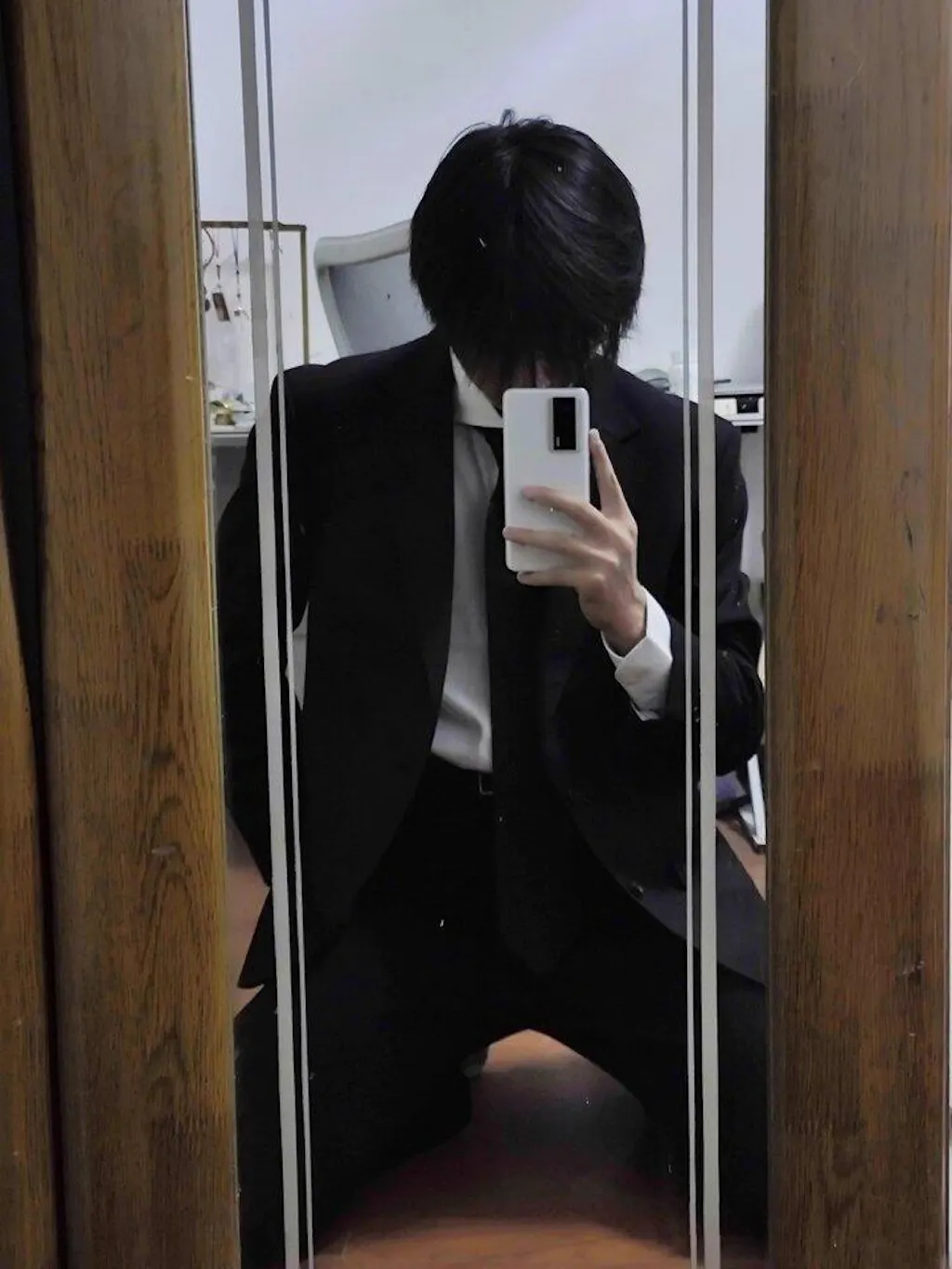
WIAI Custom Dark Brown Wool Double Breasted Blazer — premium wool construction that rewards daily maintenance with decades of exceptional wear. Discover why wearing a suit is a form of etiquette.
Choosing the Right Dry Cleaner
Not all dry cleaners are equal. A suit that represents a significant investment in craftsmanship deserves a dry cleaner who understands what they are handling.
Look for specialist experience: A dry cleaner who regularly handles bespoke and tailored garments will understand the importance of preserving canvas construction, pressing lapels correctly, and maintaining the trouser crease along the grain line.
Ask about solvents: Traditional perc-based dry cleaning is effective but harsh. Many premium dry cleaners now offer wet cleaning (a controlled water-based process for appropriate garments) or hydrocarbon solvent cleaning, which is gentler on delicate fabrics.
Inspect before and after: Before leaving your suit, point out any stains and discuss the fabric and construction. After collection, inspect the suit carefully — the lapels should roll correctly, the trouser crease should be sharp and straight, and the jacket should hang without distortion.
Storage: The Final Element of Suit Care
How you store a suit between wearings is as important as how you clean it. Incorrect storage causes permanent distortion that no amount of dry cleaning can reverse.
Use a wide wooden hanger: The hanger should support the full width of the jacket's shoulders. A narrow or wire hanger concentrates pressure on a small area of the shoulder, causing the fabric to distort over time.
Allow space in the wardrobe: Suits stored tightly against other garments cannot breathe and will develop permanent creases. Allow at least two inches of space on either side.
Use a breathable garment bag for long-term storage: A cotton or linen garment bag protects the suit from dust while allowing air circulation. Never use plastic garment bags for long-term storage — they trap moisture and can cause yellowing.

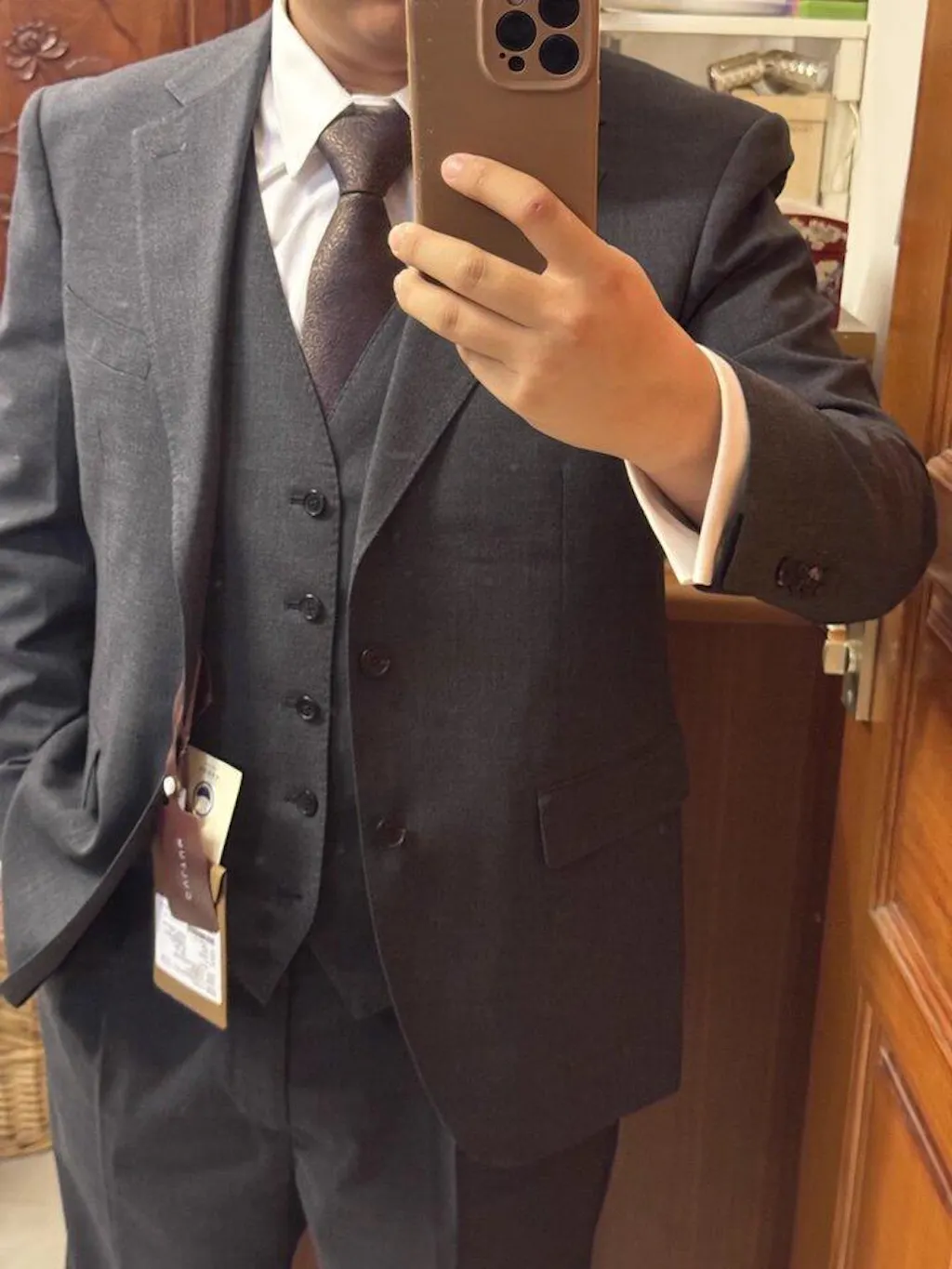
WIAI Bespoke Gray Green Herringbone Tailored Suit — a suit this well-made, properly cared for, will look exceptional for decades. Discover the benefits of investing in online custom tailoring.
The Investment Argument: Why Proper Care Pays for Itself
A bespoke suit, properly maintained, will last twenty years or more. A suit that is machine-washed, stored incorrectly, or dry-cleaned too frequently may last three to five. The cost of proper care — a quality wooden hanger, a suit brush, and one or two professional dry cleans per year — is negligible compared to the cost of replacing a suit prematurely.
Proper suit care is not an indulgence. It is the rational extension of the investment you made when you chose a suit worth caring for.
WIAI: Suits Worth Caring For
At WIAI, every suit we make is built to last. Our full canvas construction, premium wool fabrics, and hand-finishing details are designed to reward proper care with decades of exceptional wear. A WIAI suit that is brushed after each wearing, aired correctly, and dry-cleaned sparingly will look as exceptional in ten years as it does on the day it arrives.
That is the promise of quality tailoring. And it begins with understanding how to care for what you have invested in.
Explore WIAI's bespoke collection and invest in a suit worth caring for — made exactly for you.