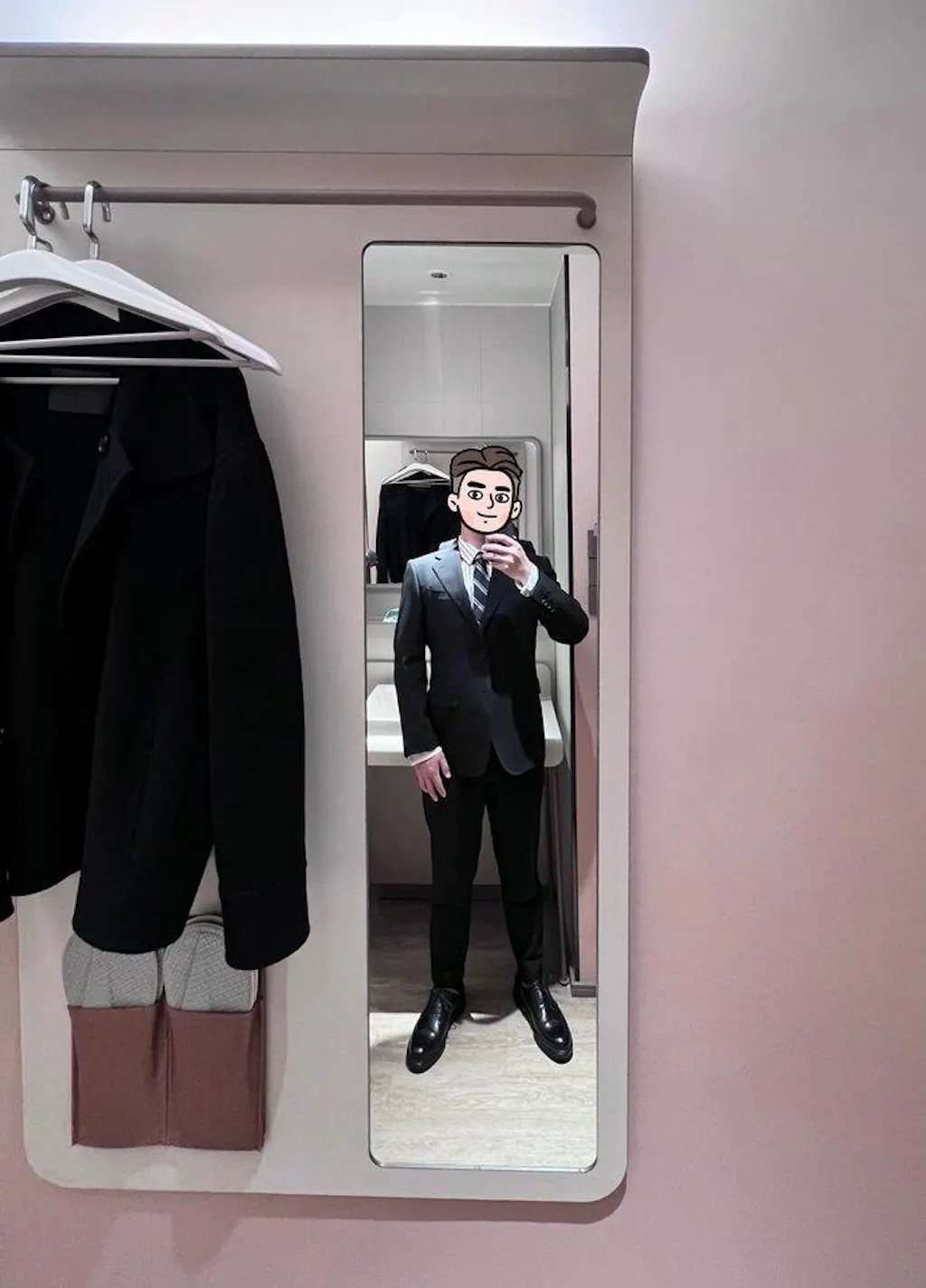
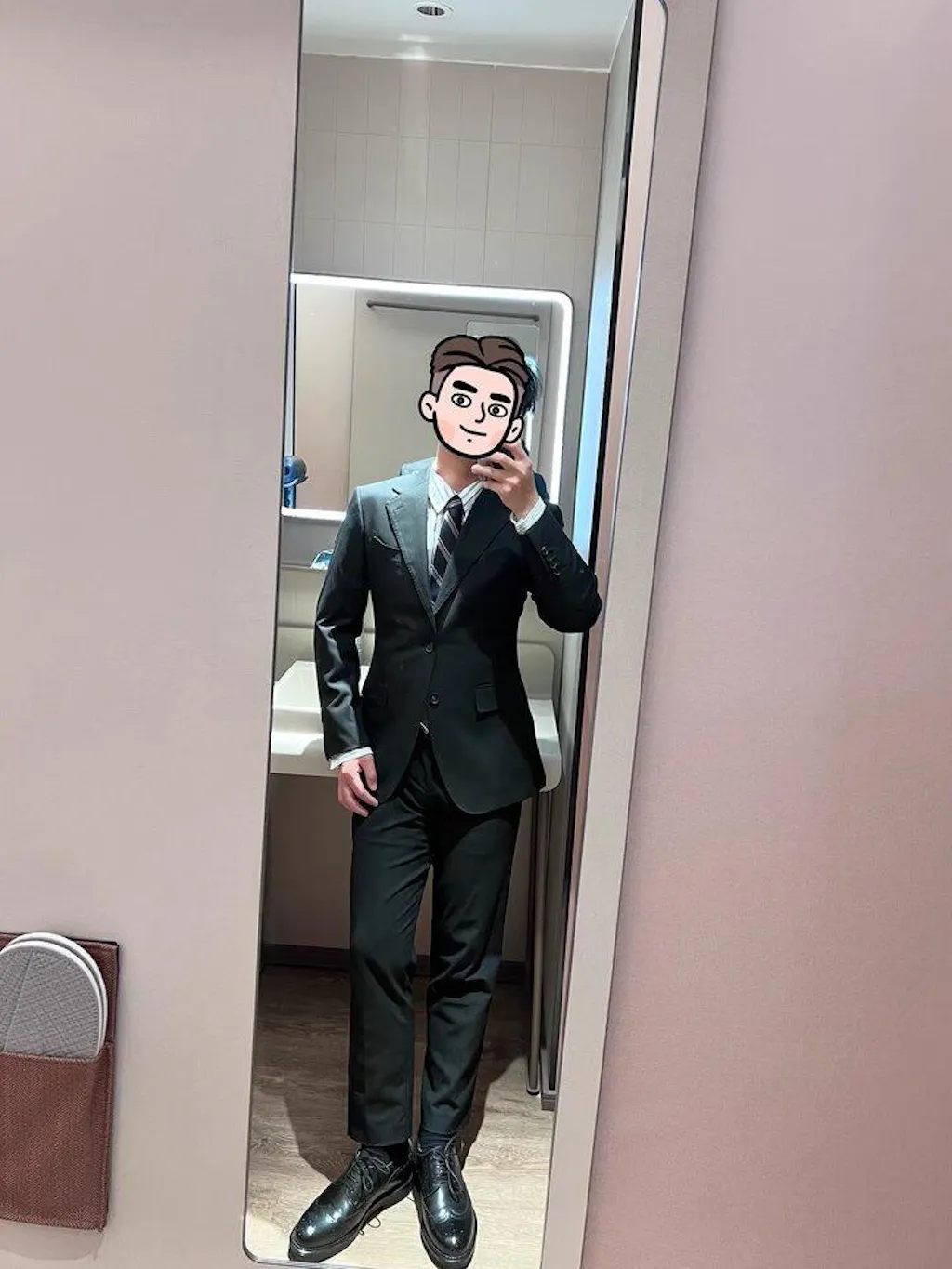
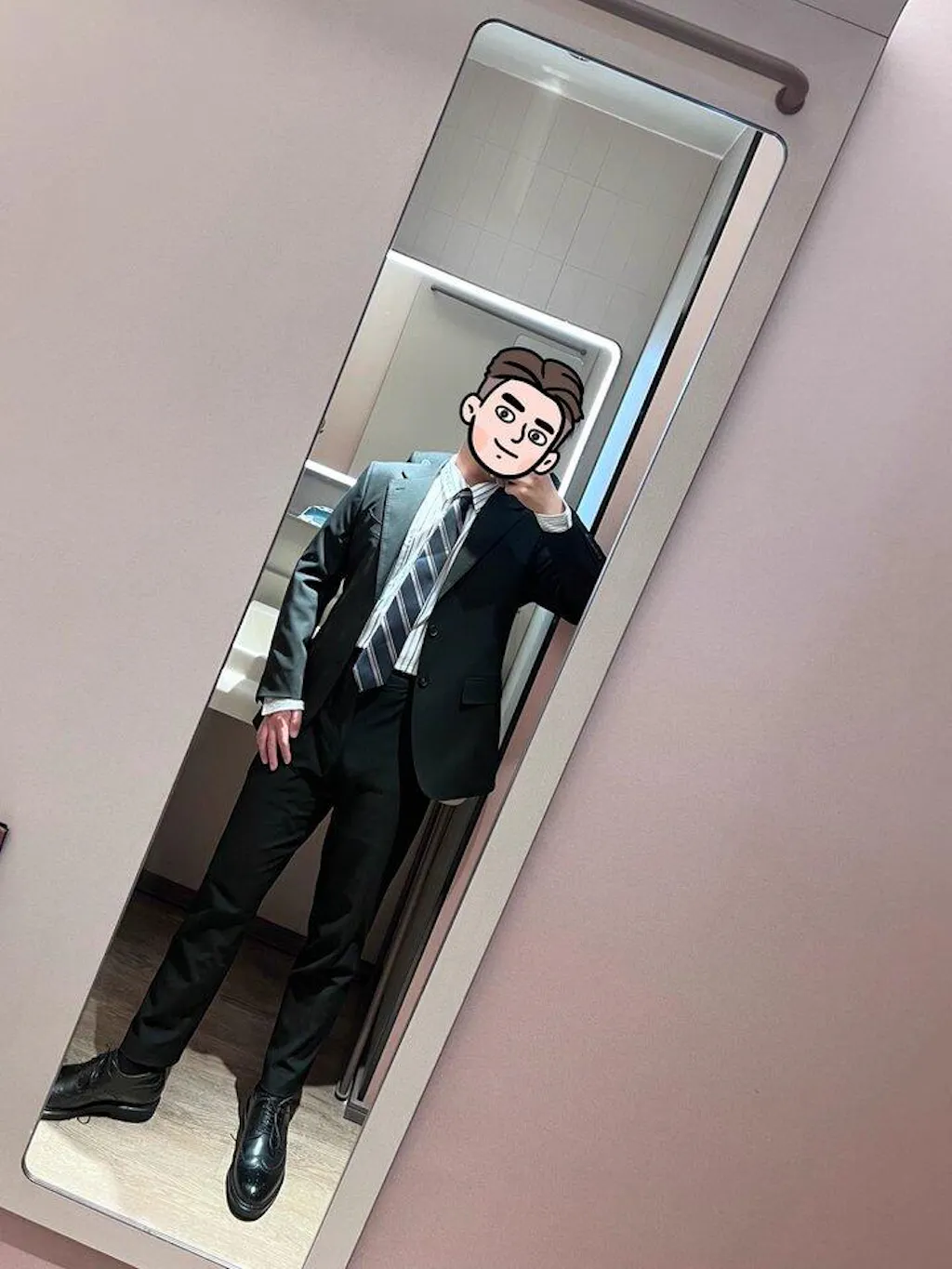
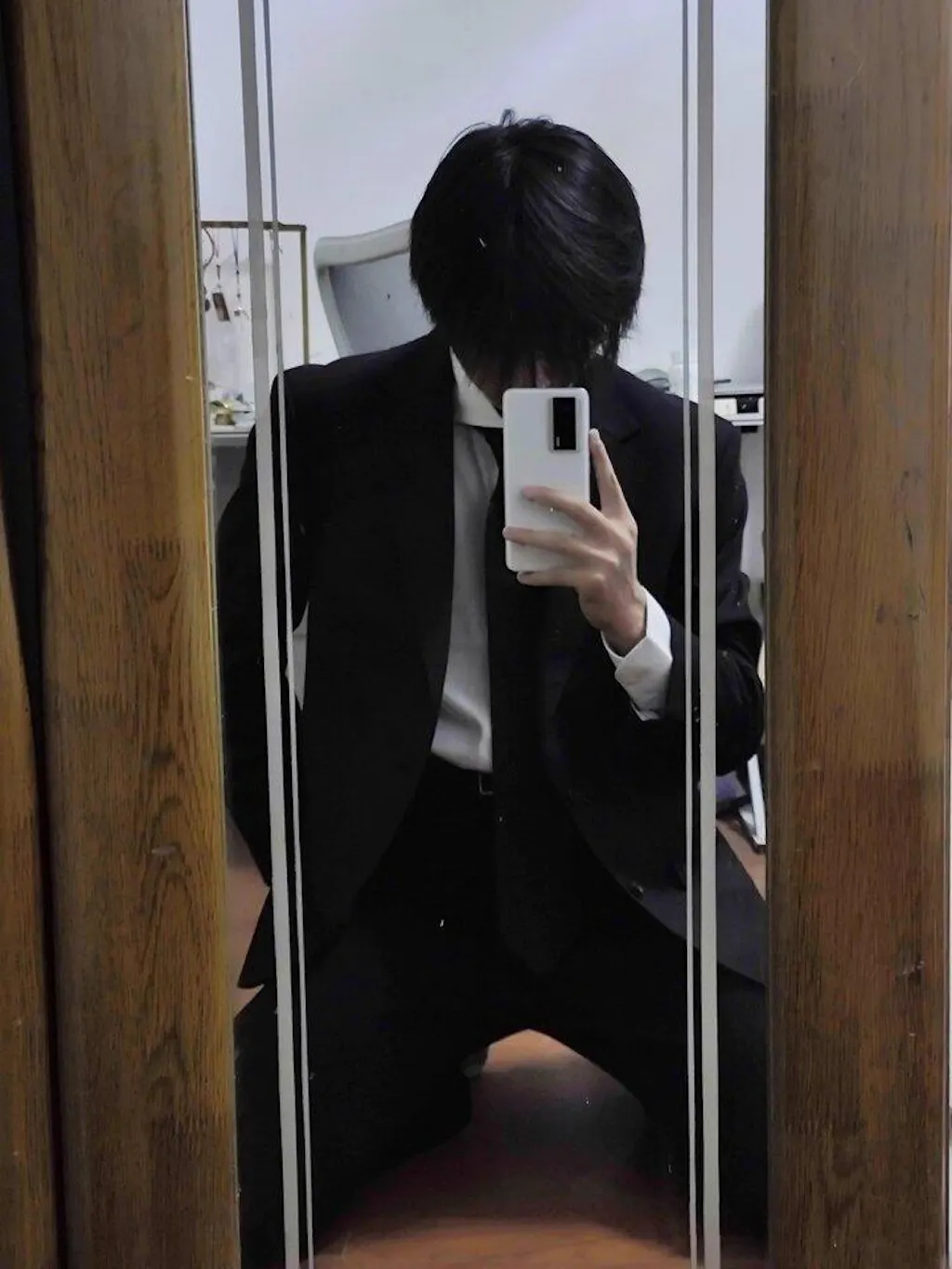
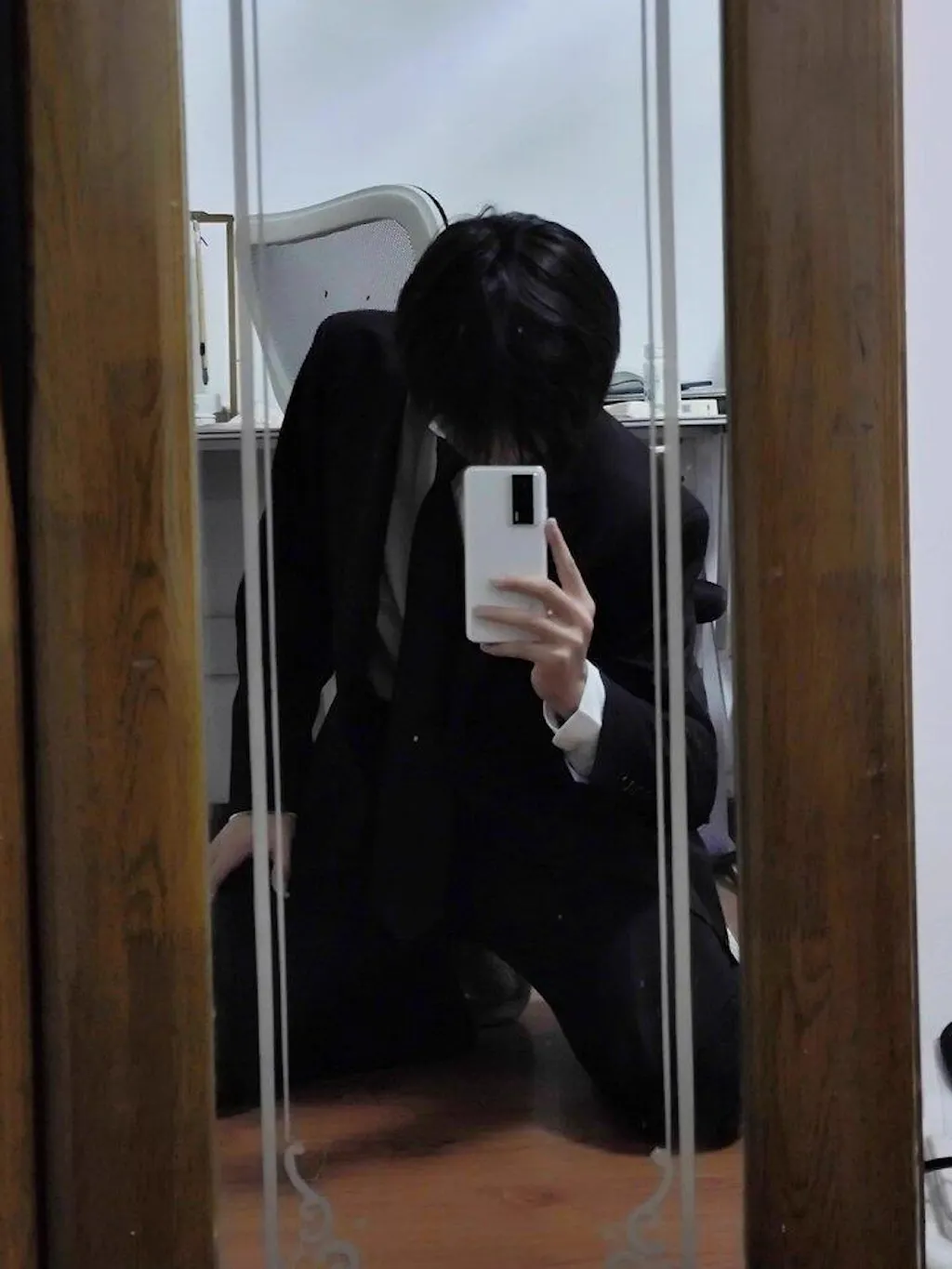
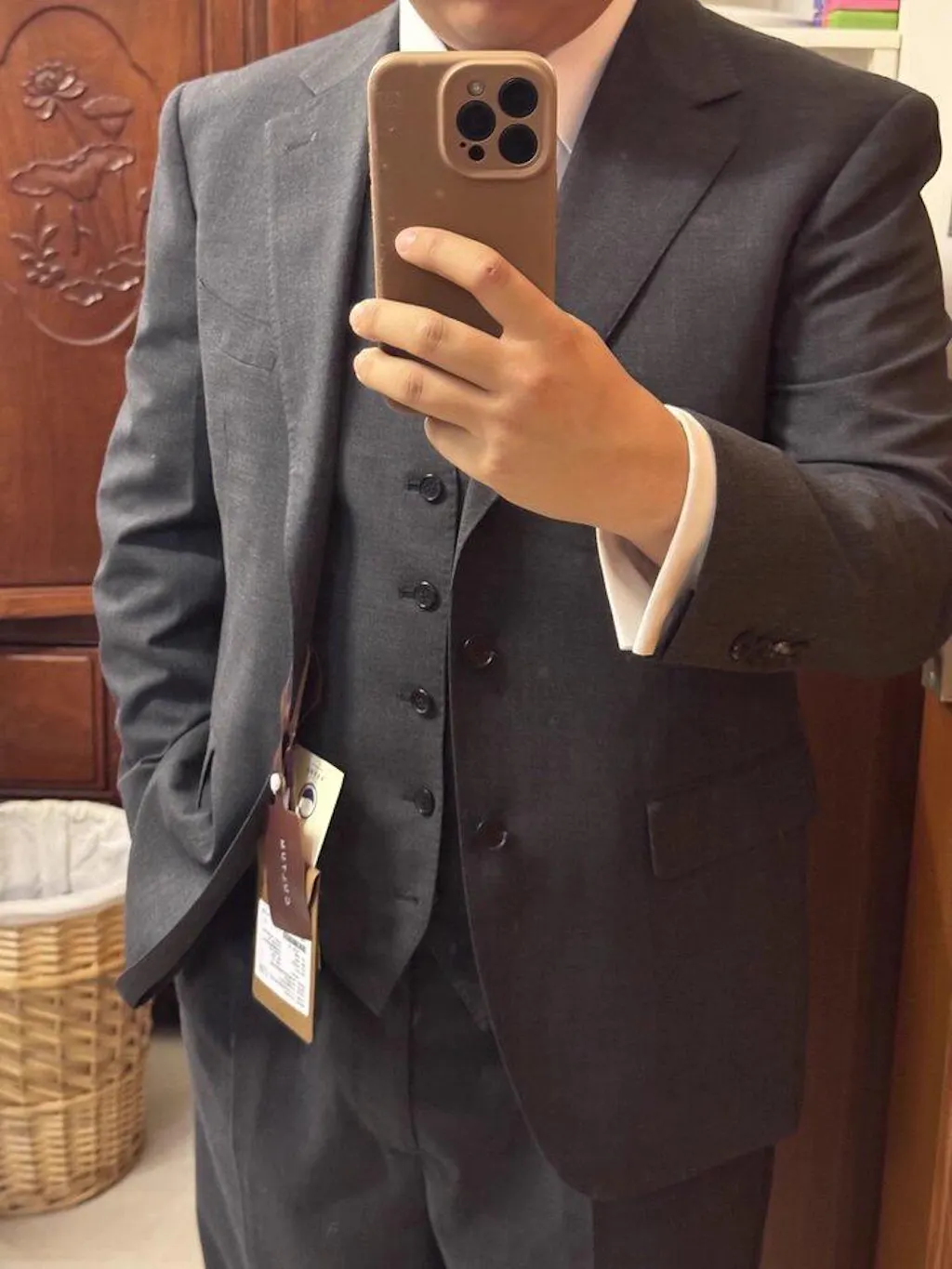
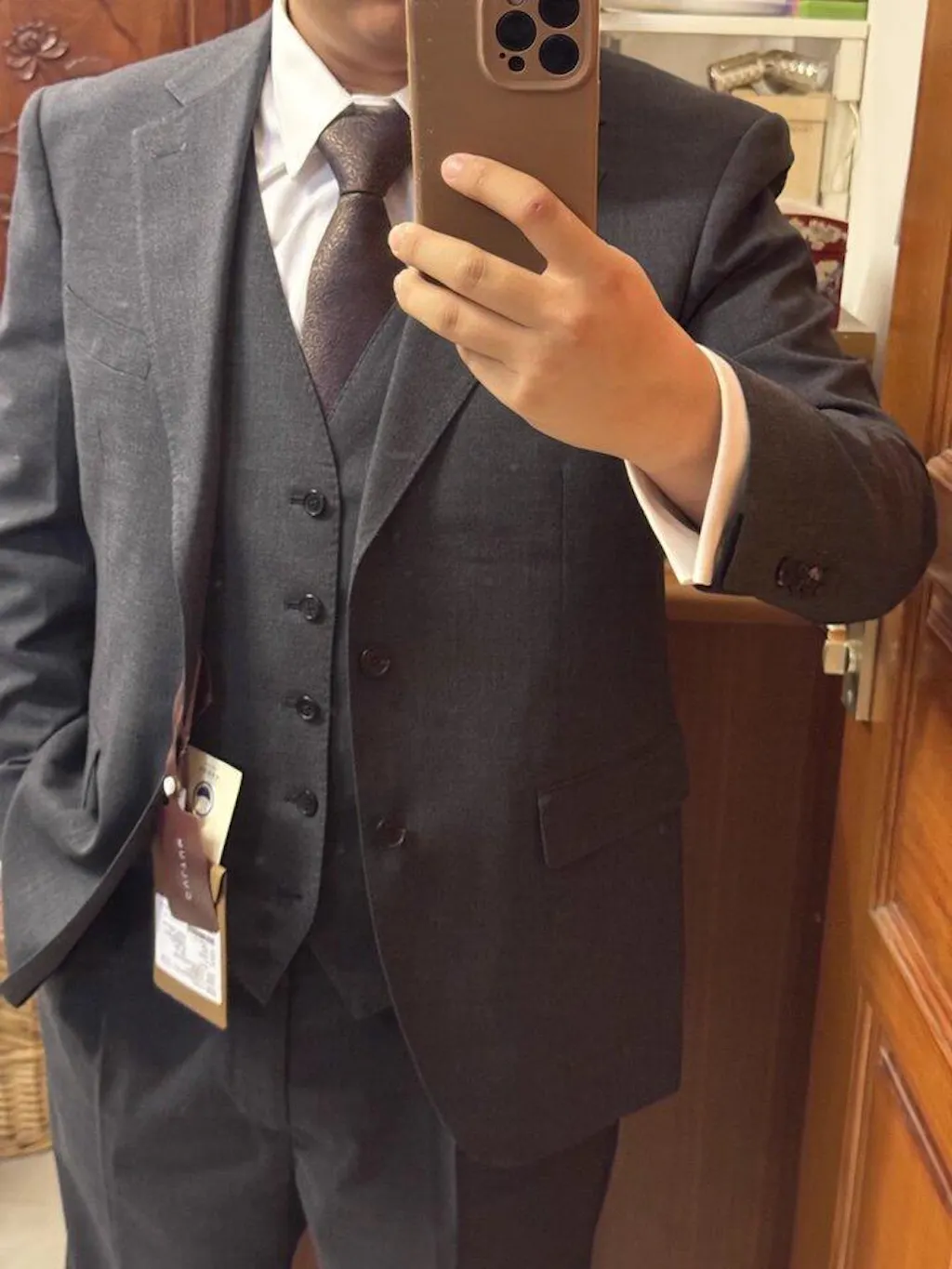
How Should a Suit Fit? The Complete Fit Guide, Every Point Checked
Share
Why Fit Beats Everything Else
A $300 suit that fits beats a $3,000 suit that doesn't — every time, in every room. Fit is the first thing people register about how you look in a suit, long before they notice fabric or brand. Yet it is the single most misunderstood part of buying one, because most men were never taught what "correct fit" actually means.
This guide walks through every fit point on a suit, what right looks like, and how to check it in under five minutes.
The Jacket: Six Points to Check
1. Shoulders — the non-negotiable
The shoulder seam should end exactly where your shoulder ends — where the bone drops off to the arm. If the seam extends past your shoulder, the jacket is too big; if your shoulder bulges over the seam, it is too small. Shoulders are the one thing a tailor cannot fix: everything else on a jacket can be altered, shoulders effectively cannot. If the shoulders fit, the jacket is a candidate. If they don't, walk away.
2. Collar
The collar should sit flush against your shirt collar with no gap — a "collar pop" or a half-inch of shirt showing above the jacket collar means the shoulders or upper back are off. There should also be no bunching or pulling at the back neck.
3. Sleeve length
The jacket sleeve should end at the hinge of your wrist, letting a quarter to half an inch of shirt cuff show. That visible sliver of shirt is a quiet detail that separates well-dressed men from everyone else. Too long hides the cuff and makes the arms look short.
4. Jacket length
The jacket should cover your seat and the zipper of your trousers. A practical check: let your arm hang naturally — the jacket's bottom edge should meet the knuckle of your thumb, or roughly split the difference between your collar and the floor in half. Modern cuts run slightly shorter, but a jacket that fails to cover the seat looks like it shrank.
5. Button stance and closure
When buttoned (always the top button on a two-button jacket — single vs double-breasted), the jacket should close without an X-shaped pull across the front or a droop below the button. A small sliver of space between the buttoned front and your body is correct; a flat pull or visible strain means the waist needs more room.
6. Lapels and vents
Lapels should lie flat against the chest with no gap underneath — "poking" lapels signal a chest that is too tight. Vents (single, double, or none) affect how the jacket drapes when you sit and move; double vents are the most flattering and functional choice for most men.
The Trousers: Three Points to Check
Waist and rise
Trousers should sit at your natural waist — near the navel, not at the hips — and stay up without a belt doing the work. No pinching at the waistband, no gaping at the back when you sit.
The break
The "break" is how the trouser leg meets your shoe:
- No break: hem meets the top of the shoe with a slight fold — modern, sharp, works best with slim cuts
- Quarter break: one small fold — the safest, most versatile choice
- Full break: a deep fold pooling on the shoe — traditional, more relaxed, suits wider cuts and taller frames
Whatever you choose, the hem should never flap above the sock or drag under the heel.
Thigh and taper
You should be able to pinch about an inch of fabric at the thigh. Skin-tight trousers fight the entire character of a tailored suit; baggy trousers add a decade. Aim between them.
Fit Silhouettes: Slim, Regular, or Relaxed?
"Fit" also means the overall silhouette you order, not just whether it's the right size. Slim, regular, and relaxed cuts each suit different body types and occasions — the fit points above stay the same either way.
The Five Most Common Fit Mistakes
- Buying too big "to grow into" or for comfort — the most common mistake by far. A suit is worn, not draped
- Ignoring the shoulders because everything else can be altered — they can't fix shoulders
- Sleeves too long — hiding the shirt cuff makes even expensive suits look rented
- Trousers pooling on the shoe — turns a sharp suit into a hand-me-down
- Judging fit standing still in the mirror — sit down, raise your arms, walk. A suit that only fits motionless doesn't fit
How to Get a Suit That Fits Without a Tailor in the Room
Traditional fitting requires a professional to run a tape over 14 points of your body — shoulders, chest, stomach, hips, sleeve, inseam, and more. Get one wrong and the whole garment suffers.
You now have two reliable options without visiting a tailor:
- Measure yourself at home with a soft tape following our complete home measurement guide — accurate if done carefully
- Let AI do it: WIAI's AI body measurement extracts all 14 measurements from a few smartphone photos in under ten minutes — free, no tape, no guessing
Either way, the measurements feed a pattern adjusted to your body — which is exactly what separates made-to-measure from off-the-rack, and why a properly made custom suit fits the way it does.
Frequently Asked Questions
How do I know if a suit jacket fits correctly?
Check in order: shoulder seams end at your shoulder bones, collar sits flush to your shirt, a quarter-inch of shirt cuff shows, the jacket covers your seat, and it buttons without pulling. Then sit down — nothing should strain.
Can a tailor fix a jacket with wrong shoulders?
Not meaningfully. Shoulder alteration requires rebuilding the jacket's most complex structure and usually costs more than it is worth. Shoulders must be right from the start — which is why made-to-measure starts with your actual measurements.
Should a suit be tight or loose?
Neither. Correct fit means the garment touches your body at the shoulder, chest, and seat without pressing, with clean lines when buttoned and free movement when you sit and reach.
Is slim fit right for everyone?
No. Slim flatters lean frames; regular suits most body types; relaxed works for broader builds and comfort-focused wear. The right silhouette depends on your build — see the full comparison.
The fastest route to a suit that fits: run free AI body measurement on your phone, then order your custom suit from WIAI — cut to your exact 14 measurements, half-canvas construction, delivered in 2–4 weeks.