The Hidden Details of a Bespoke Suit: What Separates Good from Exceptional
Two men walk into a room wearing suits. Both are dark navy. Both are well-pressed. To the untrained eye, they look similar. To anyone who understands tailoring, the difference is immediate and unmistakable. One suit is good. The other is exceptional. The difference lies entirely in details that most people will never consciously notice — but will always feel.
Why Hidden Details Matter
The hidden details of a bespoke suit are not hidden because they are unimportant. They are hidden because they work invisibly — creating the structure, drape, and longevity that make a truly exceptional suit feel different from the moment you put it on. They are the difference between a suit that looks good in a mirror and one that looks good in motion, in photographs, and after ten years of wear.
Understanding these details is the first step to understanding why bespoke tailoring commands the respect — and the investment — that it does.

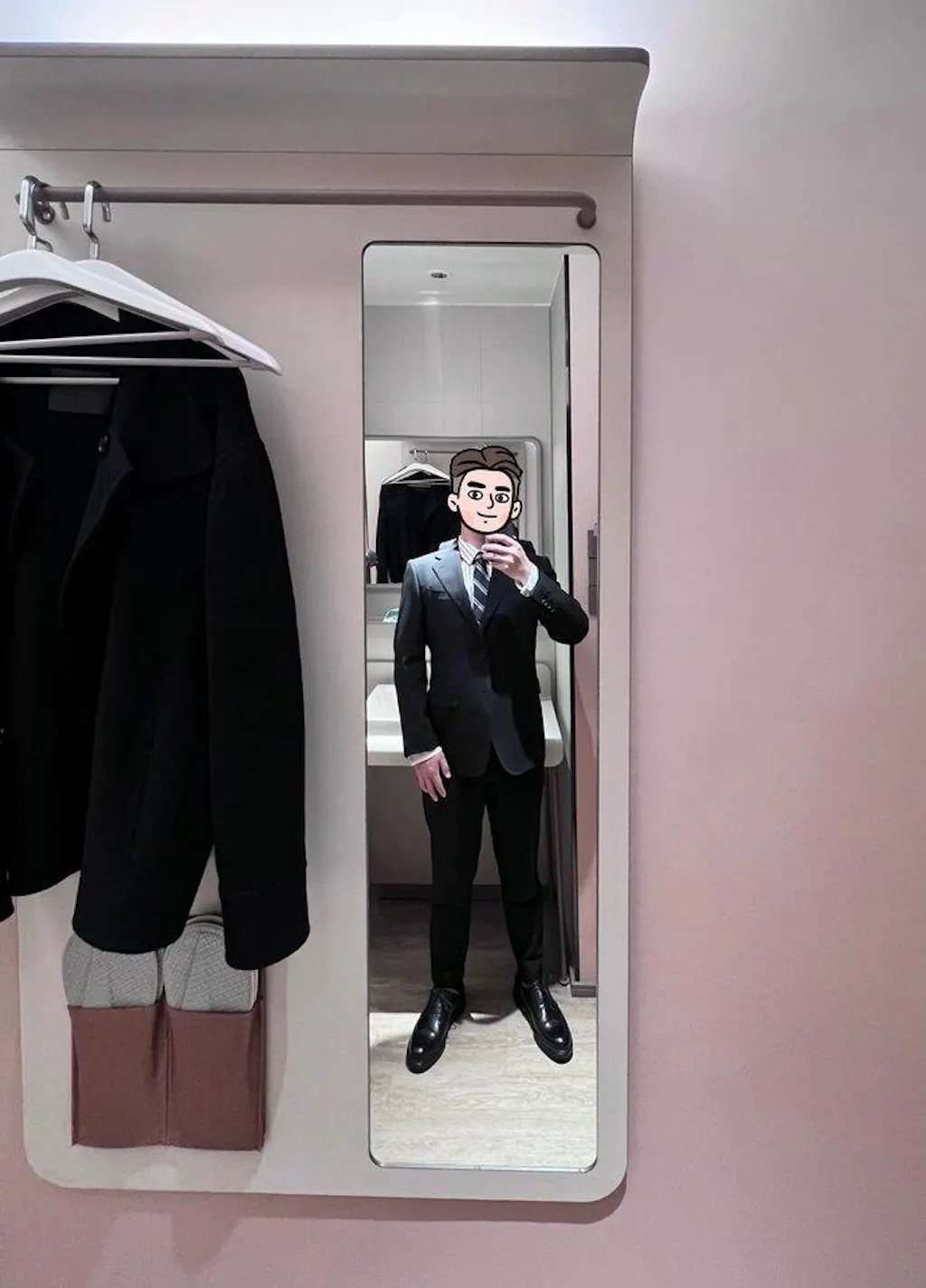
WIAI Custom Light Brown Twill Suit Set — every visible detail is the result of invisible craftsmanship working beneath the surface.
1. Full Canvas Construction: The Foundation of Everything
The single most important hidden detail in any suit is the canvas — the internal structure that gives the jacket its shape. In a fused suit (the construction method used by most mass-market brands), the outer fabric is glued to a stiff interlining using heat and adhesive. The result is a jacket that holds its shape initially but stiffens, bubbles, and separates over time as the glue breaks down.
In a full canvas suit, the internal structure is a layer of horsehair canvas that is hand-stitched to the outer fabric using a technique called pad stitching. This canvas is not glued — it floats between the outer fabric and the lining, connected only by thousands of tiny hand stitches. Over time, the canvas molds to the wearer's body, creating a fit that improves with every wearing. A full canvas suit worn for ten years fits better than it did on the first day.
Half canvas construction — a middle ground used by quality mid-range tailors — applies canvas to the chest and lapel area only, with fusing used below. It is a significant improvement over full fusing, but it cannot replicate the full-body drape of a true full canvas jacket.
2. Pick Stitching: The Mark of the Hand
Run your finger along the edge of a bespoke jacket lapel. On a machine-made suit, the edge will be perfectly uniform — a sign of mechanical precision. On a hand-finished bespoke suit, you will feel a subtle, slightly irregular line of stitching running parallel to the edge. This is pick stitching, and it is one of the clearest visible indicators of hand craftsmanship.
Pick stitching serves a functional purpose — it reinforces the edge of the lapel and helps it roll correctly. But its primary significance is as a mark of the hand. No machine can replicate the slight irregularity of hand stitching, and no experienced eye mistakes it for anything other than what it is: evidence that a skilled craftsman spent time on this garment.

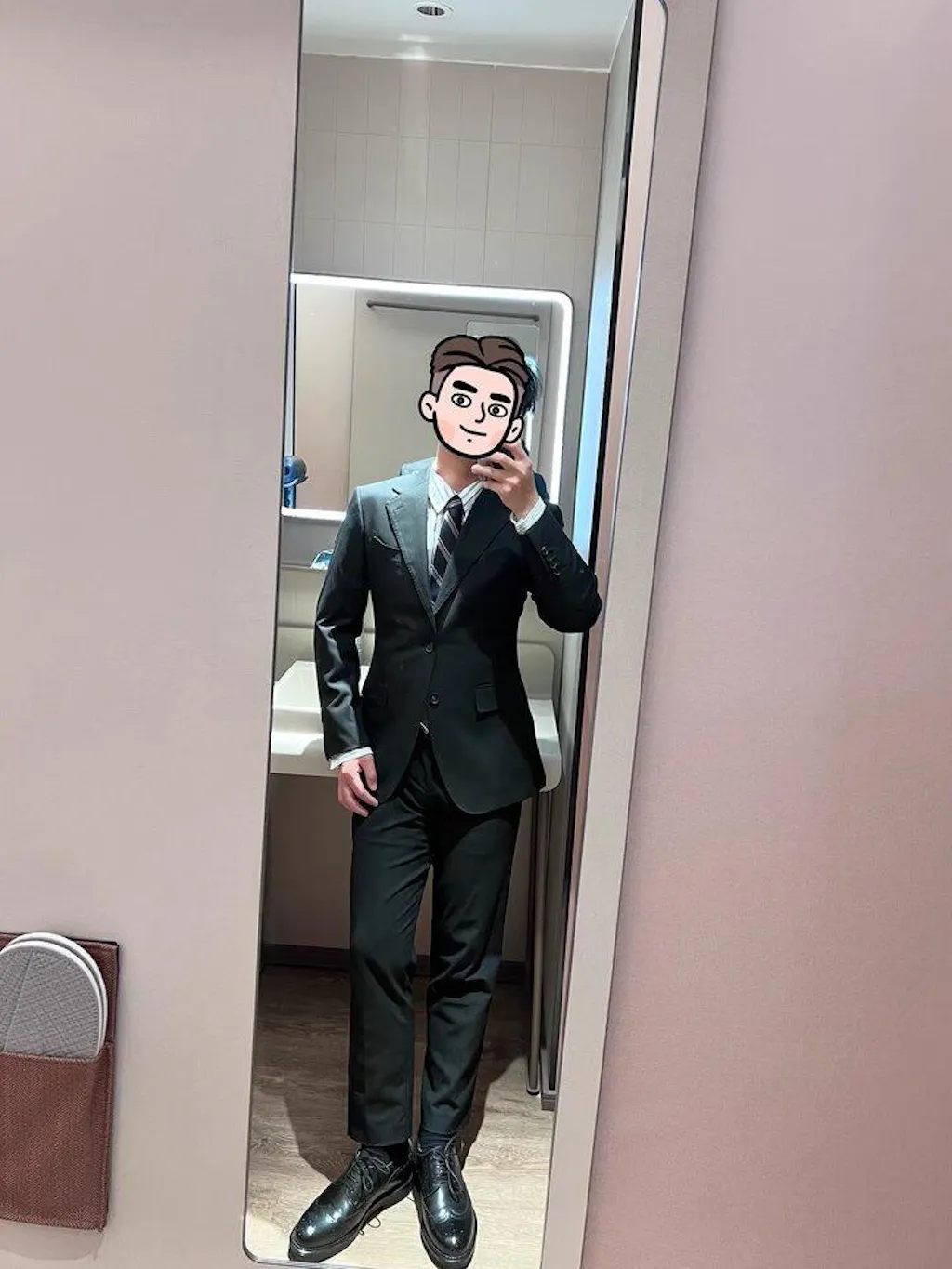
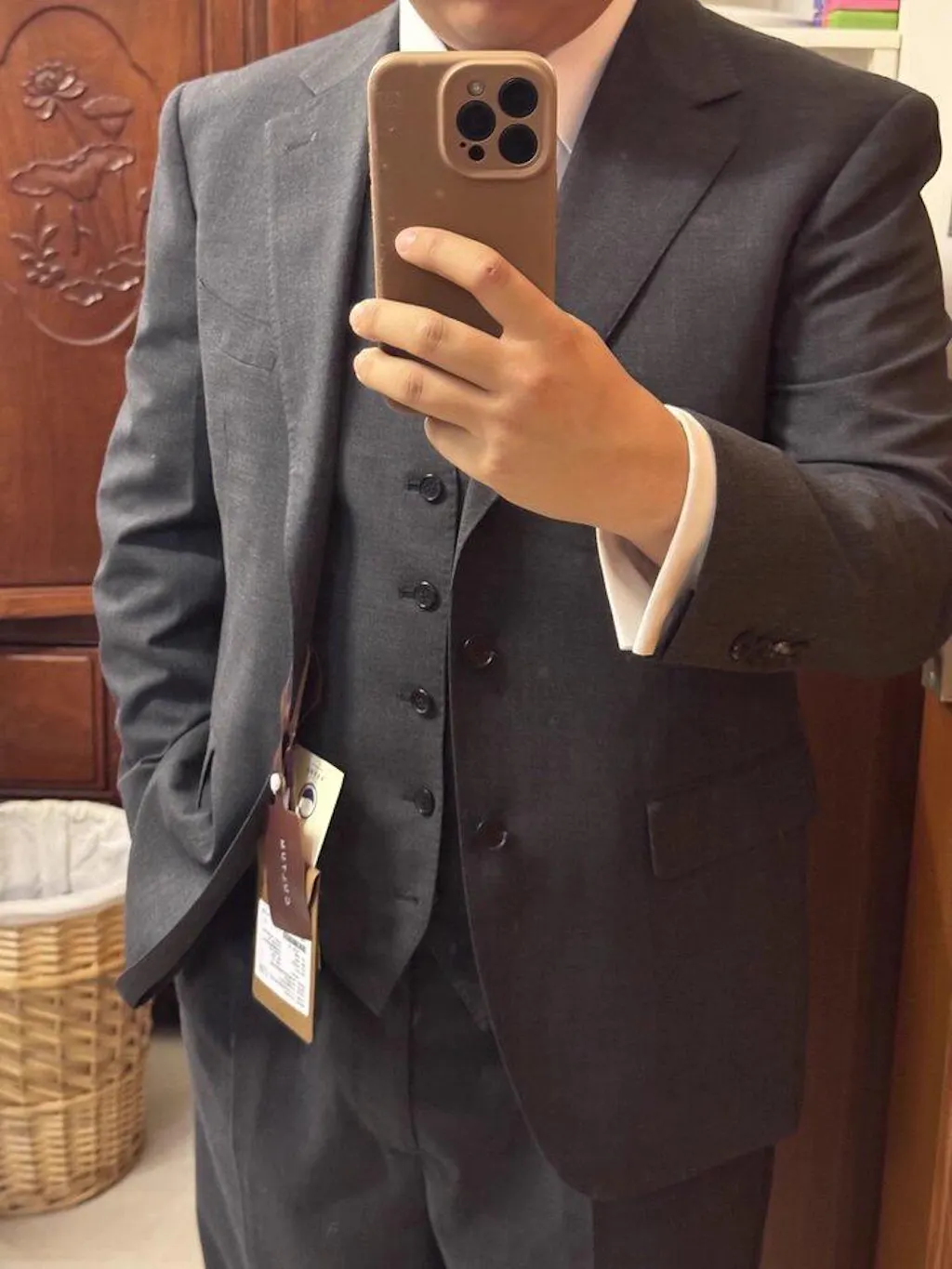
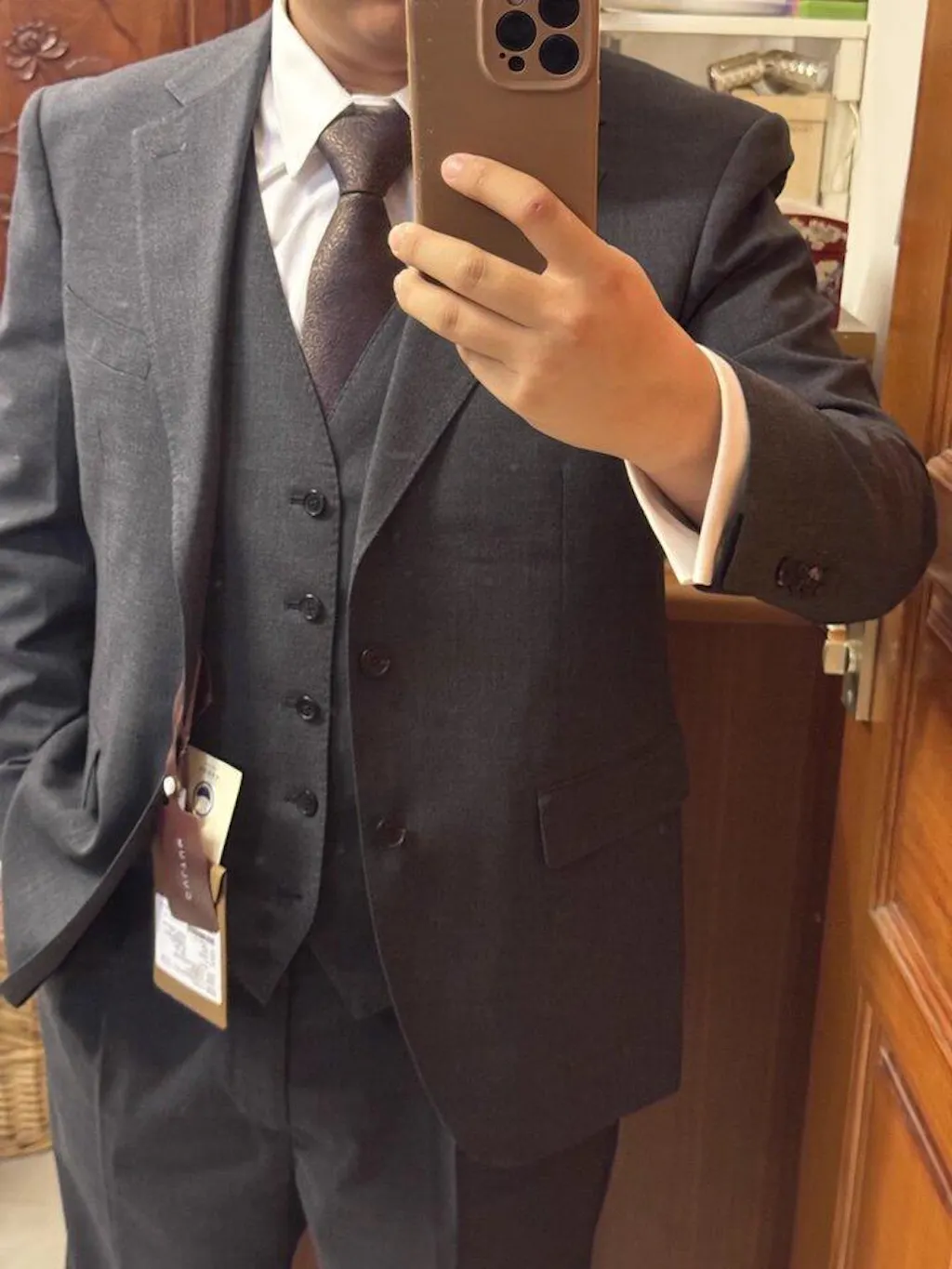
WIAI Custom Gray Plaid Suit Set — the clean lapel roll and precise chest drape are the visible result of full canvas construction and hand finishing beneath.
3. Working Buttonholes: Function as Signature
On most ready-to-wear suits, the buttons on the jacket sleeve are purely decorative. They are sewn onto a finished cuff and cannot be unbuttoned. On a bespoke suit, the sleeve buttons are functional — they open and close on real, hand-worked buttonholes.
This detail originated in the 18th century, when surgeons and military officers needed to roll up their sleeves without removing their jackets. Today, it serves no practical purpose for most wearers. But it remains one of the most recognized signals of bespoke quality — so much so that some ready-to-wear brands now add fake buttonhole stitching to simulate the effect. The difference is immediately apparent to anyone who looks closely: a real worked buttonhole has a distinctive keyhole shape and a tight, hand-finished edge. A fake one is simply a line of stitching.
4. The Surgeon's Cuff: A Deliberate Asymmetry
On a bespoke suit with working buttonholes, the tailor will often leave the last button on one sleeve undone — a detail known as the surgeon's cuff or the kissing button. This is a deliberate signal: it demonstrates that the buttonholes are real, that the suit is bespoke, and that the wearer knows the difference.
It is a small detail. It is entirely invisible unless someone looks closely at your sleeve. And it is one of the most quietly confident statements a man can make about his understanding of tailoring.

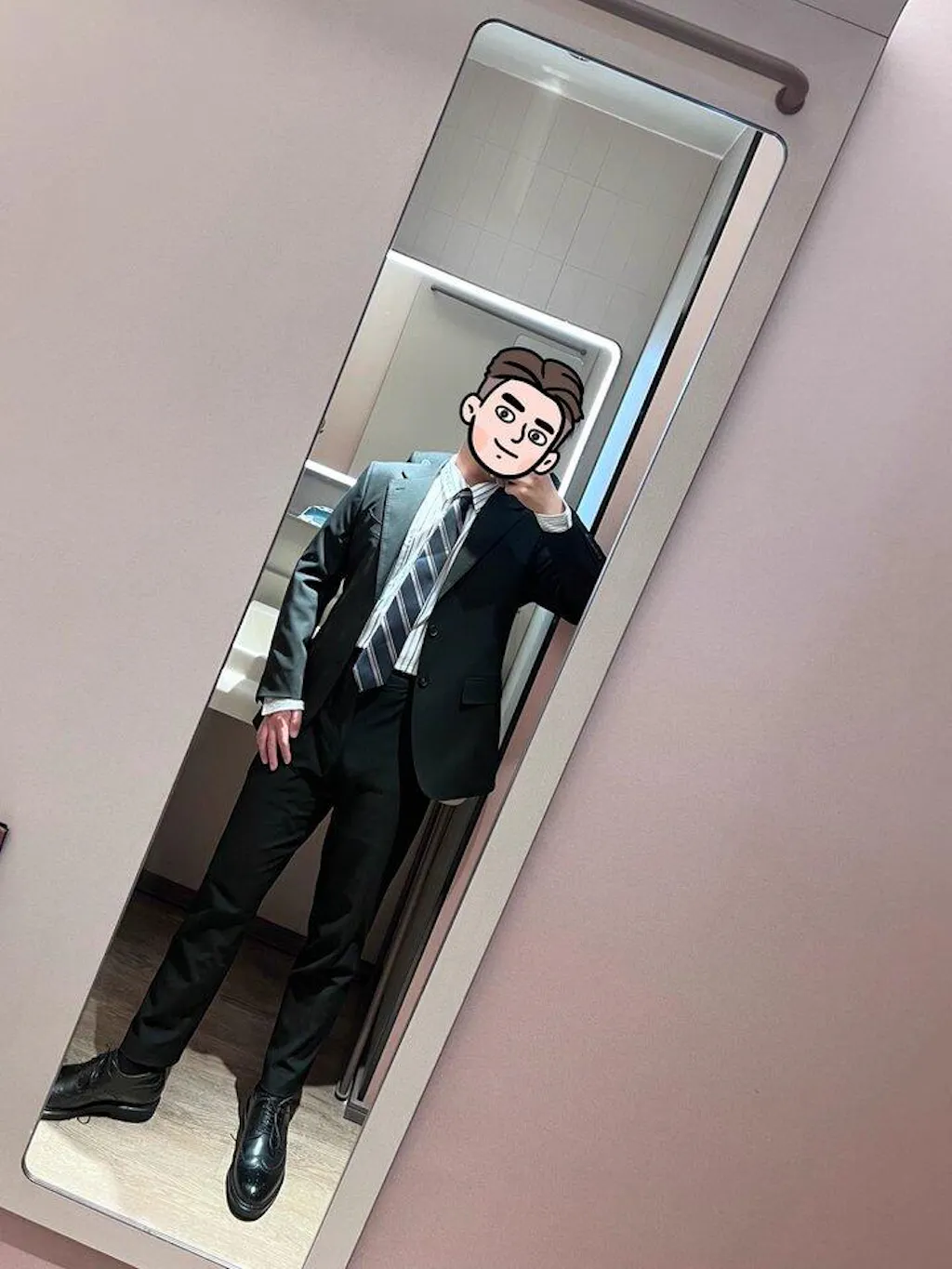
WIAI Blue Check Custom Business Casual Suit — double-breasted precision with bespoke construction details that reward close inspection.
5. The Lining: The Interior Life of a Suit
Open a bespoke jacket and you enter a different world. The lining of a quality suit is not an afterthought — it is a considered element of the garment's construction and character. Premium linings are made from silk or high-quality Bemberg (a silk-like cupro fabric) that allows the jacket to slide on and off smoothly, reduces friction against the shirt, and breathes with the wearer.
Many bespoke tailors leave the lower back of the jacket unlined — a construction known as a skeleton back or half-lined jacket. This reduces weight, improves breathability, and allows the canvas to work more freely. It is a detail that the wearer feels rather than sees: a jacket that breathes and moves differently from a fully lined alternative.
The interior of a bespoke jacket also typically features a maker's label — hand-sewn, not printed — along with the client's name and the date the suit was made. This is not vanity. It is provenance.
6. The Shoulder Construction: Where Fit Begins
The shoulder of a jacket is its most structurally complex element, and the one that most clearly distinguishes different tailoring traditions. The English school favors a slightly roped shoulder — a subtle ridge where the sleeve head rises above the shoulder seam, creating a structured, authoritative silhouette. The Italian school prefers a softer, more natural shoulder with minimal padding. The American tradition sits between the two.
In a bespoke jacket, the shoulder construction is chosen to suit the wearer's body and the intended use of the garment. A man with sloping shoulders may benefit from a slightly roped construction that creates the appearance of a more level shoulder line. A man with square shoulders may prefer the softer Italian approach. This level of consideration is simply not possible in ready-to-wear.

WIAI Blue Birdseye Custom Business Suit — the clean shoulder line and natural chest drape are the result of construction choices made specifically for this body.
7. The Trouser Details: Precision Below the Waist
The hidden details of a bespoke suit extend to the trousers, where several elements distinguish quality construction from mass production.
The waistband: A bespoke trouser waistband is typically cut on the bias — at a 45-degree angle to the grain of the fabric — which gives it elasticity and allows it to sit comfortably without twisting or pulling. A straight-cut waistband will twist over time.
The seat: The seat of a bespoke trouser is cut to the wearer's specific measurements, accounting for the depth and width of the seat as well as the rise. An off-the-rack trouser seat is cut for an average that rarely matches any individual body. The result, in a bespoke trouser, is a seat that sits cleanly without pulling, bunching, or sagging.
The crease: A bespoke trouser crease is pressed into the fabric along the grain line, which means it will hold its shape through repeated wearing and cleaning. A crease pressed off-grain will migrate and disappear.
8. The Buttonhole Thread: A Signature in Silk
On a hand-worked buttonhole, the thread used is typically a twisted silk — stronger, finer, and more lustrous than the polyester thread used in machine-worked buttonholes. The color of the thread is a choice: matching the fabric for discretion, or contrasting for a subtle statement. Some tailors use a different color on the interior buttonhole as a private signature — a detail visible only when the jacket is open.
These are the details that no one will ever compliment you on directly. They are too subtle, too specific, too interior. But they are the details that make a suit feel different — that make you carry yourself differently when you wear it.
WIAI: Where Hidden Details Are Standard
At WIAI, the hidden details that define exceptional tailoring are not optional upgrades — they are the foundation of every suit we make. Full canvas construction, hand-finished edges, working buttonholes, premium linings, and precision shoulder construction are built into every garment from the first measurement to the final stitch.
Our smart body measurement system ensures that these details are applied to a pattern built specifically for your body — so that the invisible craftsmanship inside your suit works in perfect harmony with the visible fit on the outside.
Because the best details are the ones you feel, not the ones you see.
Explore WIAI's bespoke collection and discover what exceptional tailoring feels like — from the inside out.