The Art of Wearing a Suit: Essential Details Every Man Should Know
A well-made suit is only half the equation. The other half is knowing how to wear it. The difference between a man who looks like he owns his suit and one who looks like his suit owns him comes down to a handful of details — details that are easy to master once you know what to look for.
1. The Fit Is Everything
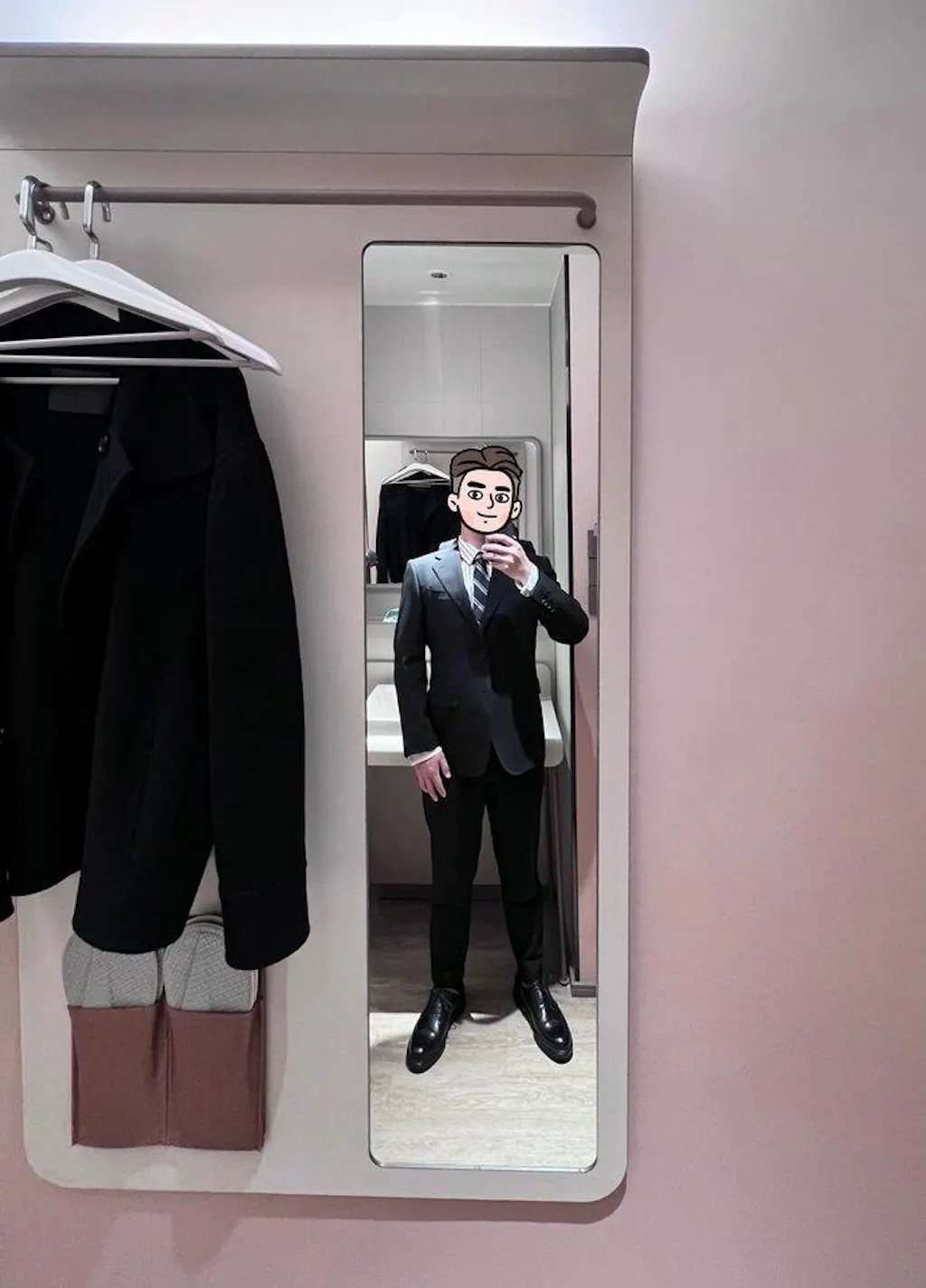
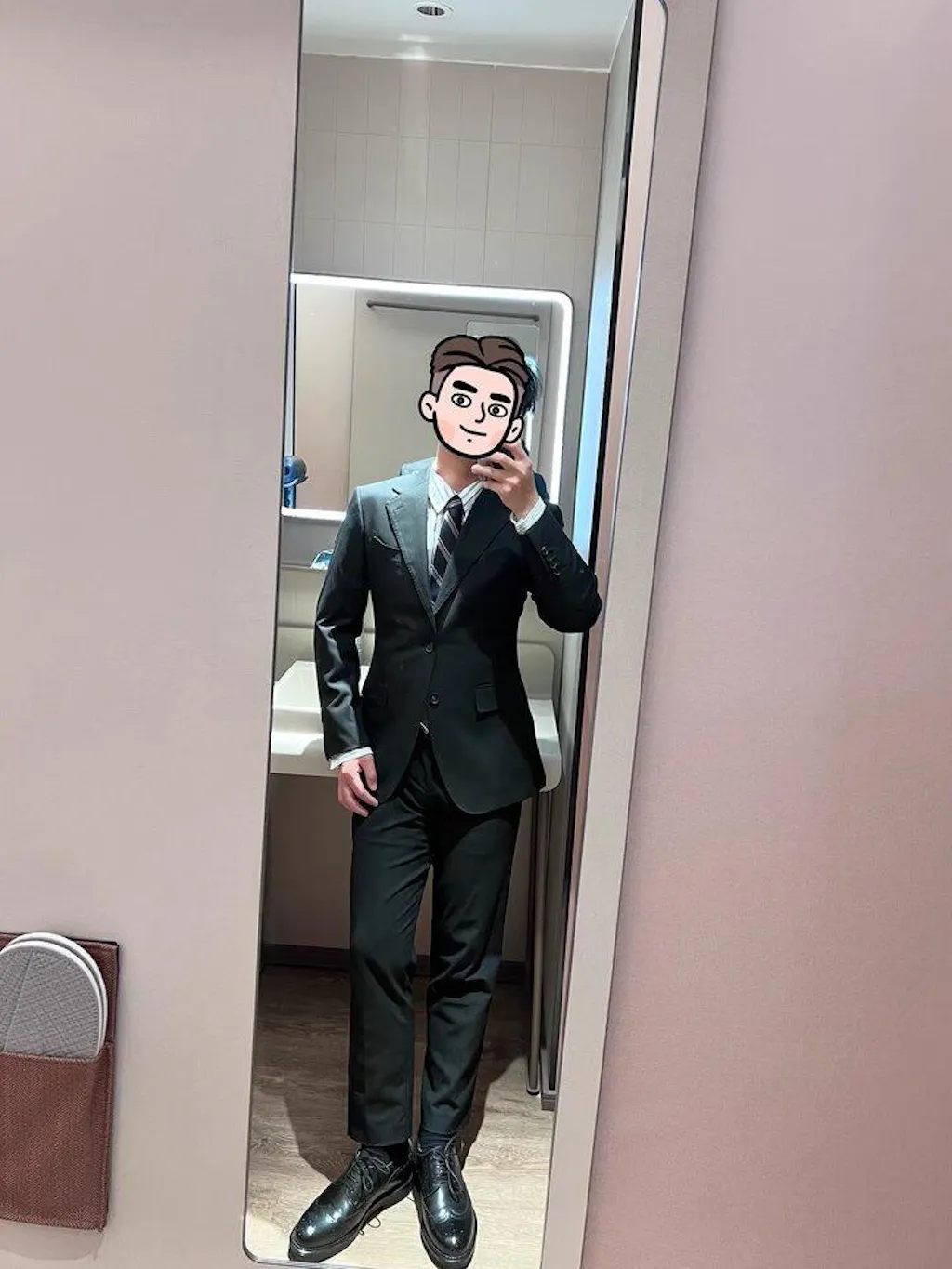
No detail matters more than fit. A suit from a budget brand that fits perfectly will always outperform a luxury suit that doesn't. The three critical fit points are the shoulders, the chest, and the trouser break.
Shoulders: The seam where the sleeve meets the jacket body should sit exactly at the edge of your shoulder — not hanging over, not pulling inward. This is the one element that cannot be easily altered. Get it right from the start.
Chest: When the jacket is buttoned, you should be able to slide a flat hand inside without resistance — but no more. A chest that pulls open at the button is too tight. Excess fabric that billows is too loose.
Trouser break: The hem of your trousers should touch the top of your shoe with a slight fold — this is called a half break. A full break reads as dated. No break is a deliberate style choice that works only with slim, tapered trousers.

WIAI Beige Tailored Modern Leisure Suit Set — a relaxed yet precise silhouette that demonstrates how fit transforms a casual suit into a polished statement.
2. The Shirt Collar and Cuff Exposure
Two of the most telling details of a well-dressed man are invisible to most people — until they're wrong.
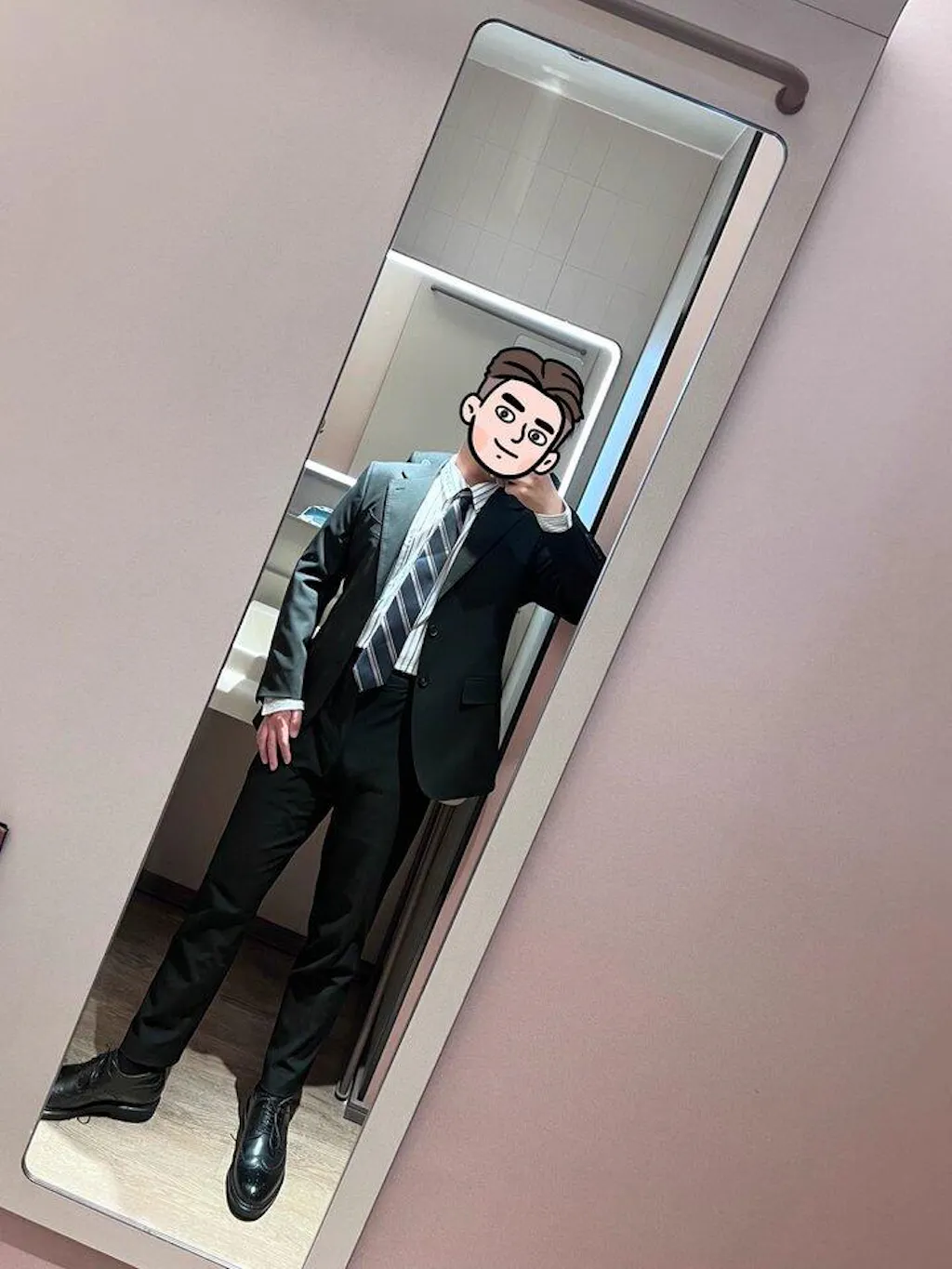
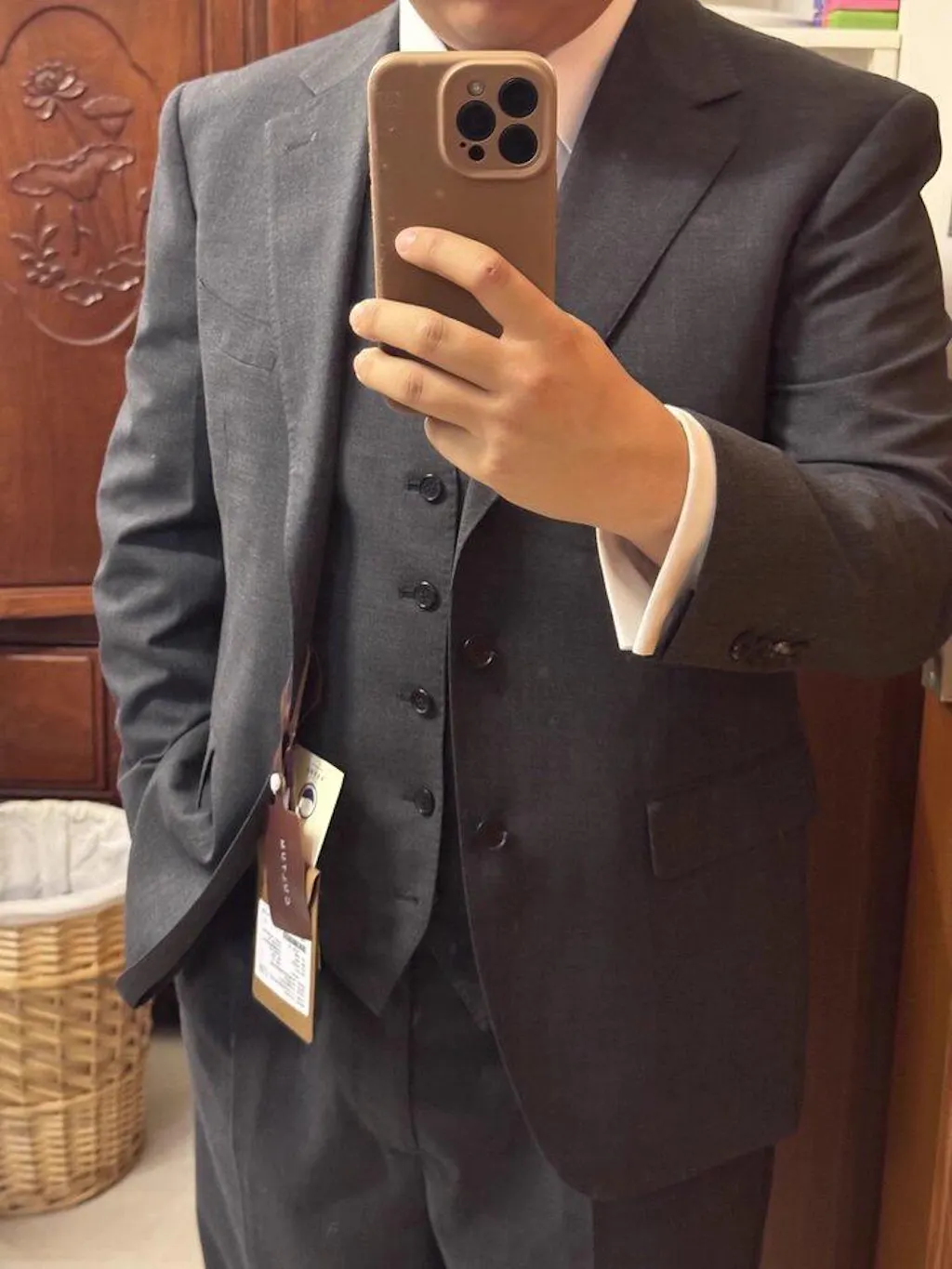
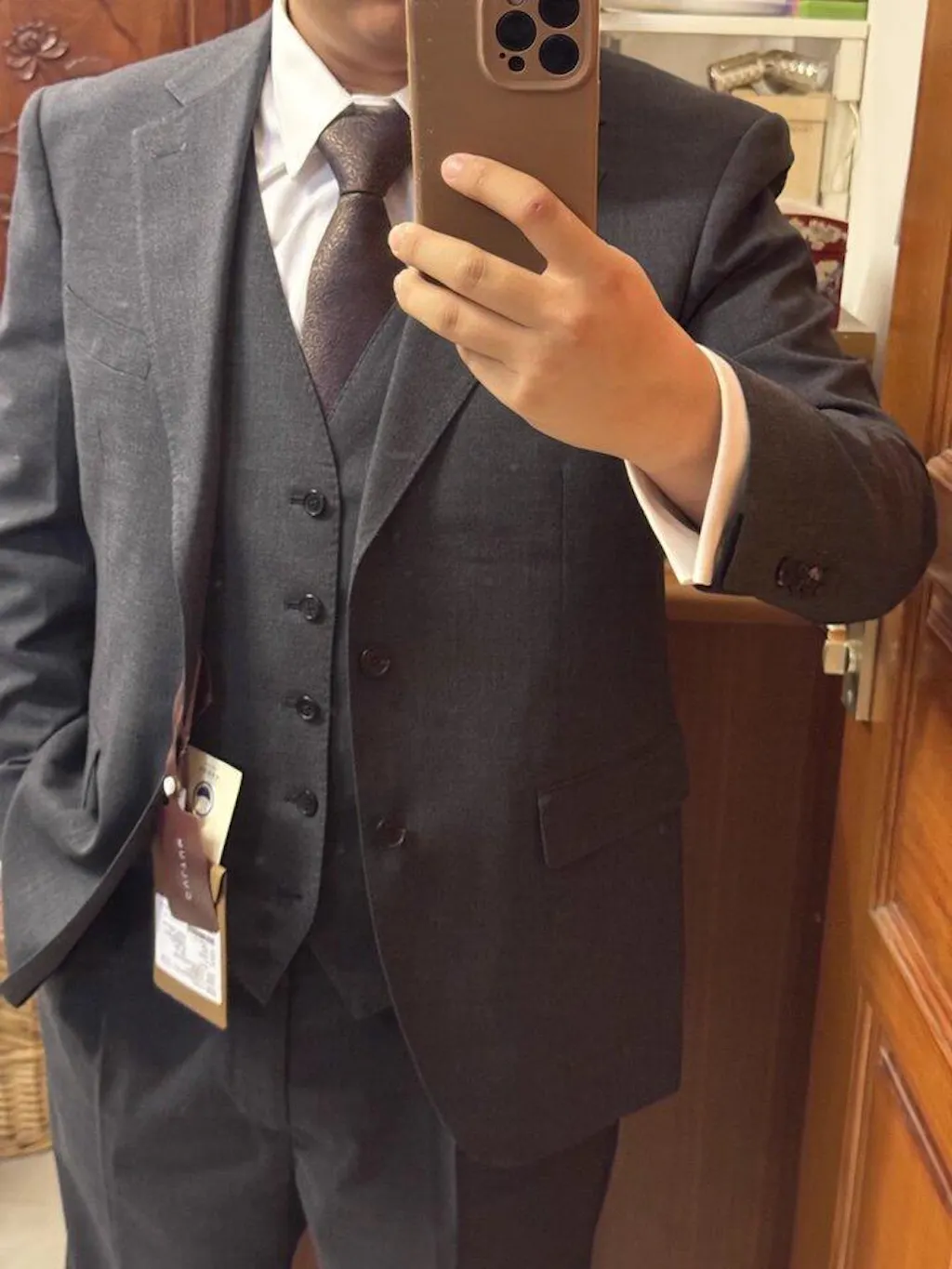
Collar: Your shirt collar should sit cleanly against the back of your jacket collar, with approximately half an inch of shirt collar visible above the jacket. If your shirt collar is collapsing or your jacket collar is riding up, something is wrong with the fit of one or both garments.
Cuffs: Your shirt cuffs should extend approximately half an inch beyond the jacket sleeve. This frames the hand, adds visual interest, and signals that you understand the grammar of the suit.
3. The Button Rules
Buttoning a suit jacket incorrectly is one of the most common — and most visible — mistakes in men's dressing.
Two-button jacket: Button the top button only. The bottom button is never fastened — ever.
Three-button jacket: Button the middle button always. The top button is optional. The bottom button is never fastened.
Double-breasted jacket: All buttons are fastened at all times when standing. The double-breasted suit is a more formal garment and its structure demands it.
When seated: Unbutton your jacket entirely when you sit down. A buttoned jacket while seated pulls, creases, and distorts the fabric.

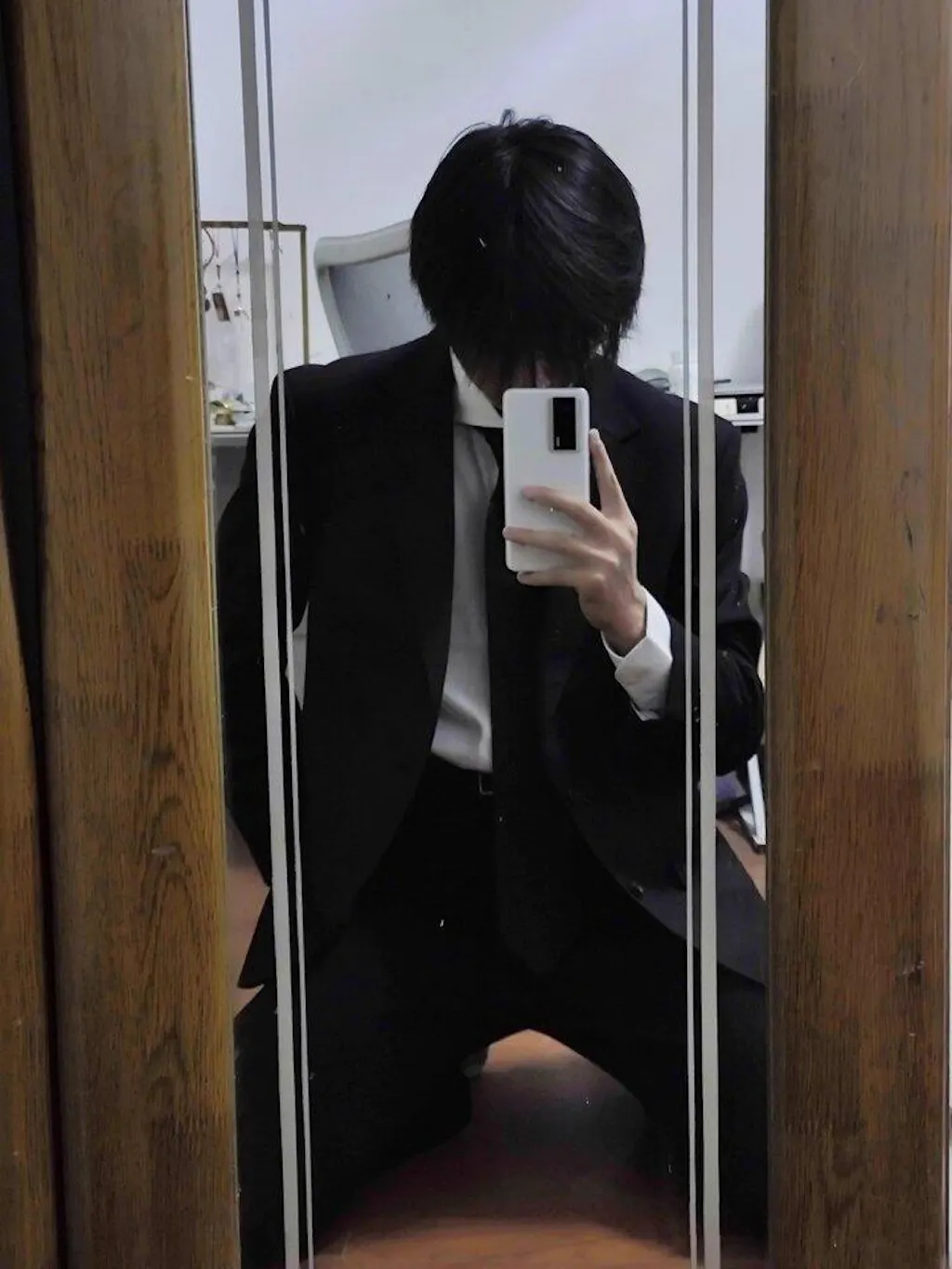
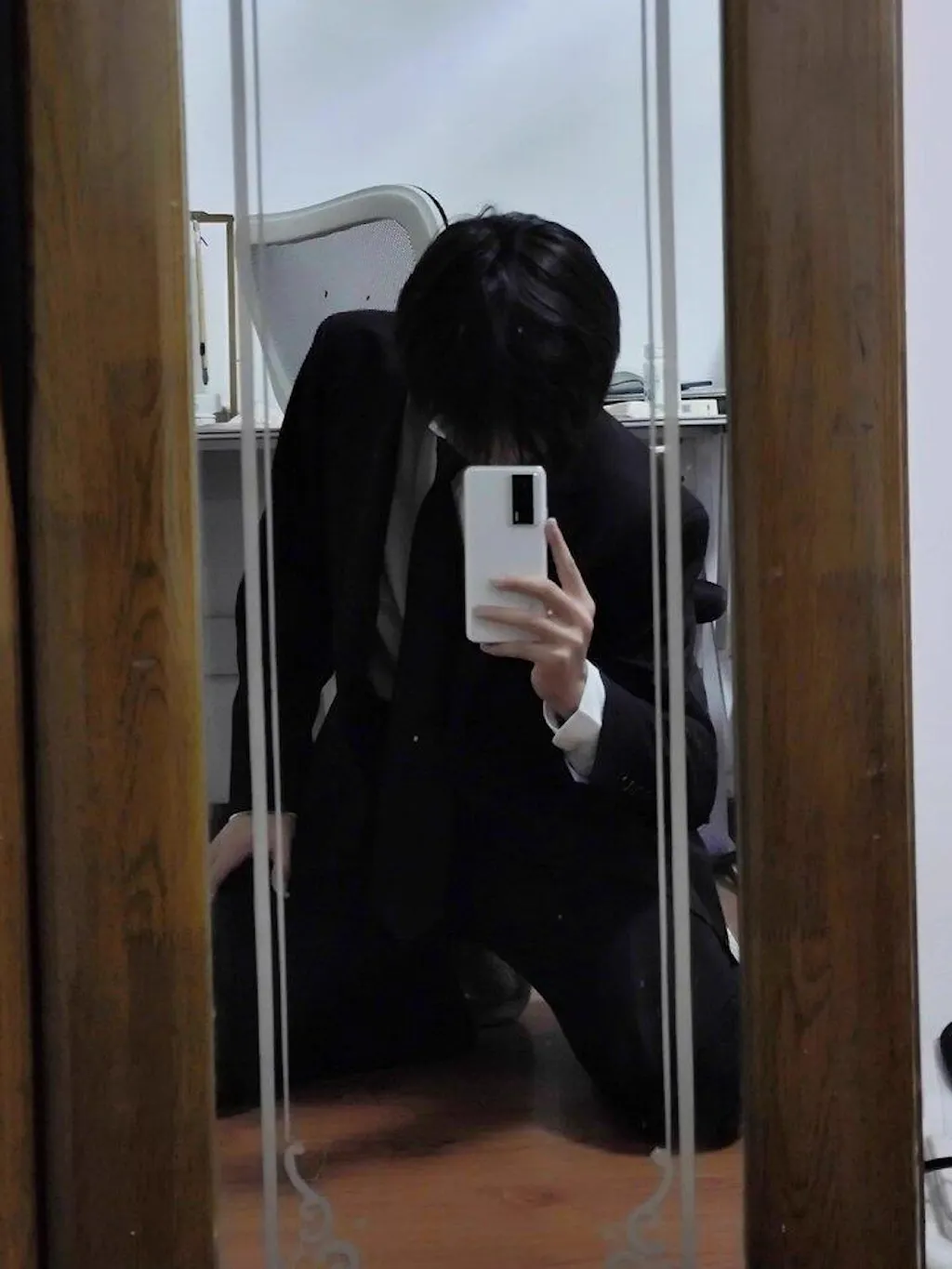
WIAI Custom Double-Breasted Black Tailcoat Suit — the double-breasted silhouette demands all buttons fastened. A masterclass in formal authority.
4. The Pocket Square
The breast pocket exists for one reason: the pocket square. Leaving it empty is a missed opportunity.
The flat fold: Clean, precise, and appropriate for any formal occasion. Fold the square into a rectangle and tuck it so only a thin strip is visible above the pocket edge.
The puff fold: More relaxed and expressive. Pinch the center of the square, let it fall naturally, and tuck the edges into the pocket so the puffed fabric rises above the pocket edge.
The rule: Your pocket square should complement your tie — not match it exactly. Matching reads as a costume, not a considered outfit.
5. The Tie — Knot, Length, and Dimple
Length: The tip of your tie should reach the top of your trouser waistband — no higher, no lower.
Knot: Match the knot size to your collar spread. A wide spread collar requires a larger knot — a Windsor or half-Windsor. A narrow point collar works best with a four-in-hand.
The dimple: A single dimple centered below the knot is the mark of a man who pays attention. Pinch the fabric just below the knot as you tighten it, and the dimple will hold throughout the day.

WIAI Men's Navy Blue Shawl Collar Custom Formal Dress Suit — the shawl collar is a no-tie occasion; pair with a white dress shirt and pocket square for maximum elegance.
6. Shoes and Socks
Shoes: Oxford shoes are the most formal and appropriate for business and formal suits. Derby shoes are slightly more casual. Loafers work with casual suits and blazers.
Socks: Match your socks to your trousers, not your shoes. This creates a continuous vertical line that elongates the leg.
The cardinal rule: No white socks with a suit. Ever.
7. Formal Occasions: The Tuxedo Rules
When the dress code calls for black tie, the rules shift entirely. The tuxedo — or dinner suit — operates by its own grammar.
Lapels: Tuxedo lapels are faced in silk or satin — either peak or shawl. This is non-negotiable. A tuxedo with wool lapels is not a tuxedo.
Trousers: Tuxedo trousers carry a single silk or satin stripe down the outer seam. No belt — use braces (suspenders) instead.
Shirt: A white dress shirt with a bib front (plain or pleated), French cuffs, and a wing or turndown collar. Cufflinks are required.
Bow tie: Always a real bow tie — hand-tied, slightly imperfect. A pre-tied bow tie signals that you didn't bother.

WIAI Men's Double-Breasted Tuxedo Suit — premium formal tailoring for black tie occasions. Silk-faced lapels, precision construction, impeccable drape.
8. Suit Care and Maintenance
Rotation: Never wear the same suit on consecutive days. Wool needs 24 hours to recover its shape after a full day of wear.
Hanging: Use a wide, shaped wooden hanger that supports the full shoulder. Wire hangers distort the shoulder construction over time.
Brushing: A soft-bristled suit brush used after each wear removes surface dust and lint, and keeps the fabric's nap in good condition.
Dry cleaning: Dry clean as infrequently as possible — the chemicals are harsh on wool fibers. Spot-clean where possible, and reserve dry cleaning for genuine necessity.
9. The Bespoke Advantage
Many of the fit issues described above — shoulders that don't sit right, a chest that pulls, sleeves that are too long — are the inevitable result of wearing a suit that was not made for your body. Ready-to-wear suits are built for a statistical average. Your body is not average.
A suit built from your exact measurements — captured with millimeter-level precision — eliminates the compromises that off-the-rack dressing requires. The shoulders sit correctly because they were cut for your shoulders. The chest fits because it was measured to your chest.
WIAI's smart body measurement system makes this level of precision accessible to anyone, anywhere. The result is a suit that requires no adjustment, no alteration, and no compromise — only the confidence that comes from wearing something made exactly for you.
Explore WIAI's bespoke collection and experience the difference that precision tailoring makes — in every detail.