Men's Suit Size Guide: From Measurements to Fit, Find Your Perfect Suit Easily
Choosing the right suit size is no easy task. It needs to fit your upper and lower body perfectly, ultimately creating a clean, neat silhouette that accentuates your figure without feeling restrictive. Especially when shopping online or considering a custom-made suit, relying on a suit size calculator and an accurate size chart can help you save time, effort, and unnecessary frustration. Next, this detailed guide will make it easy for you to find your perfect suit size.
1. Suit Measurements: Accurate Data is the Basis for a Fit
Stop guessing at your suit size based on the label on your jeans or shirt. Take the time to accurately measure using a suit sizing chart for a suit that's both straight and comfortable. For a more comprehensive guide, check out our detailed article, "How to Measure for a Suit." Here are the key areas to focus on when choosing the right size:
- Shoulder Width: Measure from shoulder bone to shoulder bone, with your back straight.
- Chest: Wrap the tape measure around the fullest part of your bust, keeping it flat and snug, but not too tight.
- Waist: Measure around your natural waist, at the narrowest part of your torso (usually just above your belly button).
- Hip: Stand with your feet together and wrap the tape measure around the widest part of your hips.
- Sleeve Length: With your arm slightly bent, measure from the shoulder seam down to your wrist bone.
- Back Length: Measure from the base of your neck to where you want the hem of your suit jacket to end.
-
Pants Length (Inseam): Measure from the crotch to your ankle for suit pants.
-
Pants Length (Outer Length): Measure from waistband down to desired hem. The exact length depends on whether you prefer a classic or modern hem.
-
Height: Measure from the top of your head to the ground while standing barefoot against a wall.

Pro Tips for Accurate Measurements
Even small measurement errors can affect the overall fit, so keep these pro tips in mind:
-
Relax your posture: Stand naturally, without pushing your chest or pulling in your stomach.
-
Don't overtighten the tape measure: The tape measure should fit flat against your body, not squeeze it.
-
Take two measurements and average the average: Consistency is key to accuracy.
-
Measure under your suit: Shirts or thin sweaters can affect the fit of a suit, so wear them when measuring.
-
Focus on the shoulder: The shoulder is the most difficult part to alter, so if you're unsure, prioritize ensuring the shoulder fit.
- If you're between sizes: Always order the larger size. A tailor can fine-tune the fit by adjusting the waist, sleeves, or length.
2. Men's Suit Size Chart: Find Your Size
A standard suit size chart is a helpful guide for finding the right size, combining key measurements like chest, waist, and inseam with proportions like height and weight. But remember, these are just general guidelines; at WIAI, we custom-build suits based on your exact body measurements to achieve a truly perfect fit.
Suit Size Chart (Inches)
Below is a general guide based on inches. You can use your own measurements as a guide, but remember: the shoulders and chest are the most important and determine the overall fit of the suit jacket.
| EU Size | Shoulder | Chest | Waist | Sleeve | Back Length | Hip | Inseam | Leg Length | Height (ft/in) | Weight (lbs) |
| 44 | 16.5 | 34–35 | 28–29 | 24 | 28 | 35–36 | 30 | 40 | 5’6–5’7 | 130–145 |
| 46 | 17 | 36–37 | 30–31 | 24.5 | 28.5 | 37–38 | 30–31 | 41 | 5’7–5’8 | 145–160 |
| 48 | 17.5 | 38–39 | 32–33 | 25 | 29 | 39–40 | 31–32 | 42 | 5’8–5’9 | 160–175 |
| 50 | 18 | 40–41 | 34–35 | 25.5 | 29.5 | 41–42 | 32–33 | 43 | 5’9–5’10 | 170–185 |
| 52 | 18.5 | 42–43 | 36–37 | 26 | 30 | 43–44 | 33–34 | 44 | 5’10–6’0 | 180–195 |
| 54 | 19 | 44–45 | 38–39 | 26.5 | 30.5 | 45–46 | 34–35 | 45 | 6’0–6’1 | 190–205 |
| 56 | 19.5 | 46–47 | 40–41 | 27 | 31 | 47–48 | 35–36 | 46 | 6’1–6’2 | 200–220 |
| 58 | 20 | 48–49 | 42–43 | 27.5 | 31.5 | 49–50 | 36–37 | 47 | 6’2–6’3 | 210–230 |
Example: If your chest is 40 inches, you are 5'10" tall, and weigh 180 lbs, you would likely fit into a size EU 50 suit.
Suit Size Chart (Centimeters)
For those who prefer centimeters, this chart corresponds to the inches chart, especially for European sizing.
| EU Size | Shoulder | Chest | Waist | Sleeve | Back Length | Hip | Inseam | Leg Length | Height | Weight |
| 44 | 42 | 86–89 | 71–74 | 61 | 71 | 89–91 | 76 | 102 | 168–170 | 59–66 |
| 46 | 43 | 91–94 | 76–79 | 62 | 72 | 94–97 | 78–79 | 104 | 170–173 | 66–72 |
| 48 | 44 | 96–99 | 81–84 | 63 | 74 | 99–102 | 80–81 | 107 | 173–176 | 72–79 |
| 50 | 46 | 101–104 | 86–89 | 65 | 75 | 104–107 | 82–84 | 109 | 176–179 | 77–84 |
| 52 | 47 | 106–109 | 91–94 | 66 | 76 | 109–112 | 85–86 | 112 | 179–182 | 82–89 |
| 54 | 48 | 111–114 | 97–99 | 67 | 77 | 114–117 | 87–89 | 114 | 182–185 | 86–93 |
| 56 | 50 | 116–119 | 102–104 | 68 | 79 | 119–122 | 90–92 | 117 | 185–188 | 91–100 |
| 58 | 51 | 121–124 | 107–109 | 70 | 80 | 124–127 | 93–94 | 119 | 188–190 | 95–104 |
Example: A person who is 178 cm tall, has a chest circumference of 101 cm and weighs 80 kg would typically fit in a size EU 50 suit.
International Size Conversion Chart
If you shop between brands or countries, a conversion chart is essential. It can help you convert EU sizes to UK, US, Italian, French, and more common international sizes.
| EU | US | UK | IT | FR | INT |
| 44 | 34 | 34 | 44 | 44 | XS |
| 46 | 36 | 36 | 46 | 46 | S |
| 48 | 38 | 38 | 48 | 48 | M |
| 50 | 40 | 40 | 50 | 50 | M–L |
| 52 | 42 | 42 | 52 | 52 | L |
| 54 | 44 | 44 | 54 | 54 | XL |
| 56 | 46 | 46 | 56 | 56 | XXL |
| 58 | 48 | 48 | 58 | 58 | 3XL |
For example, if you typically buy a UK size 40 suit, this corresponds to a EU size 50 and a US size 40, which falls into the M–L range in international sizing.
Note that sizing may vary slightly between brands or tailor shops. Always check the brand's official size chart before purchasing.
3. Suit Fit Standards: Determine if your suit fits you perfectly
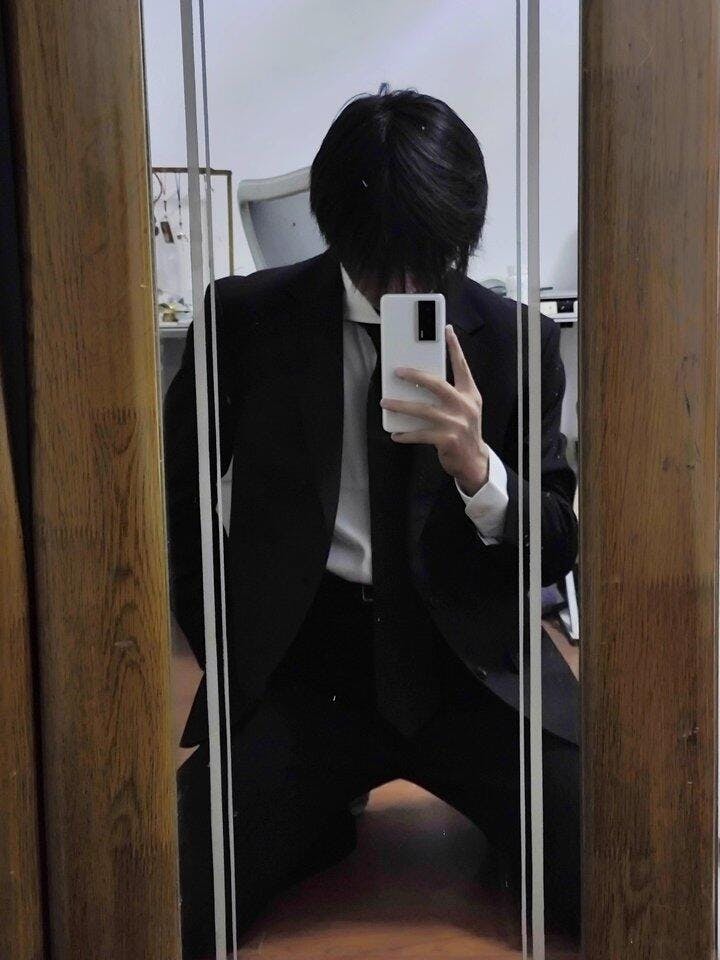
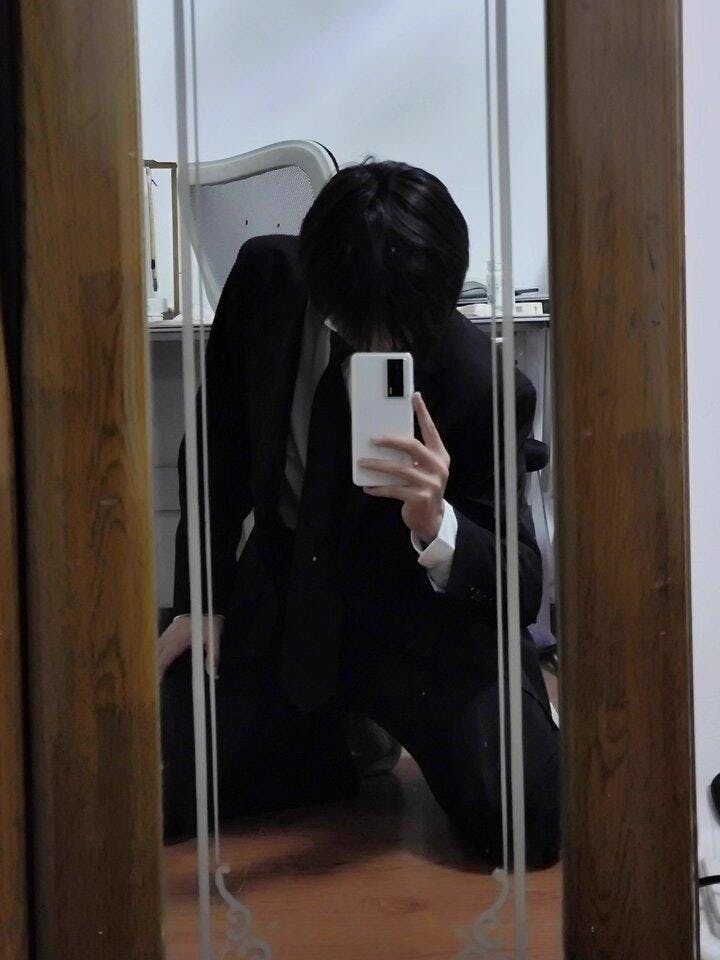
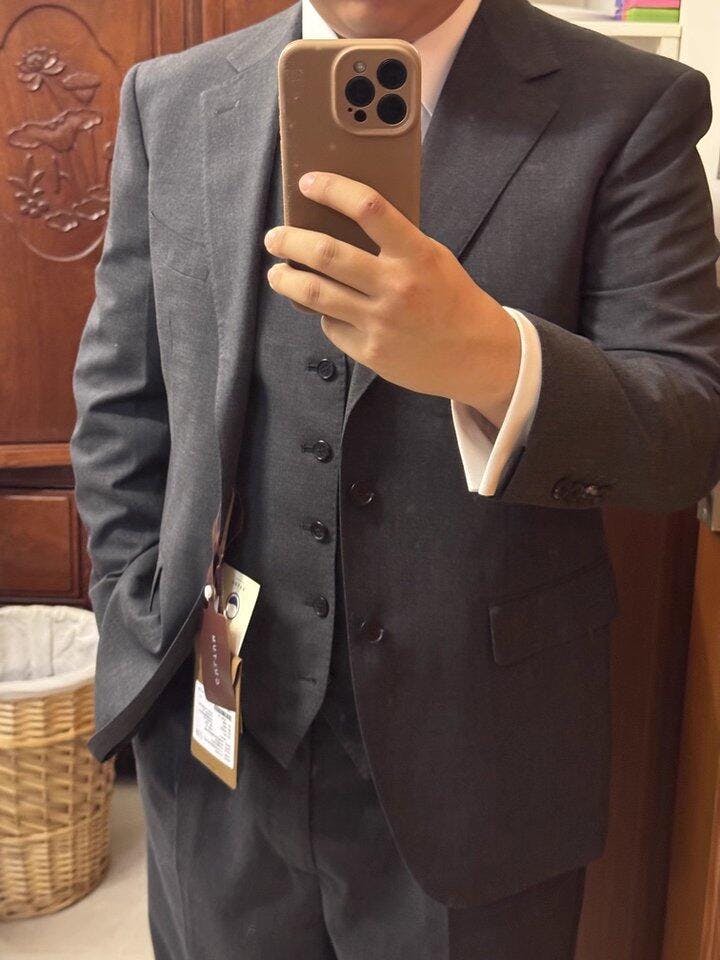
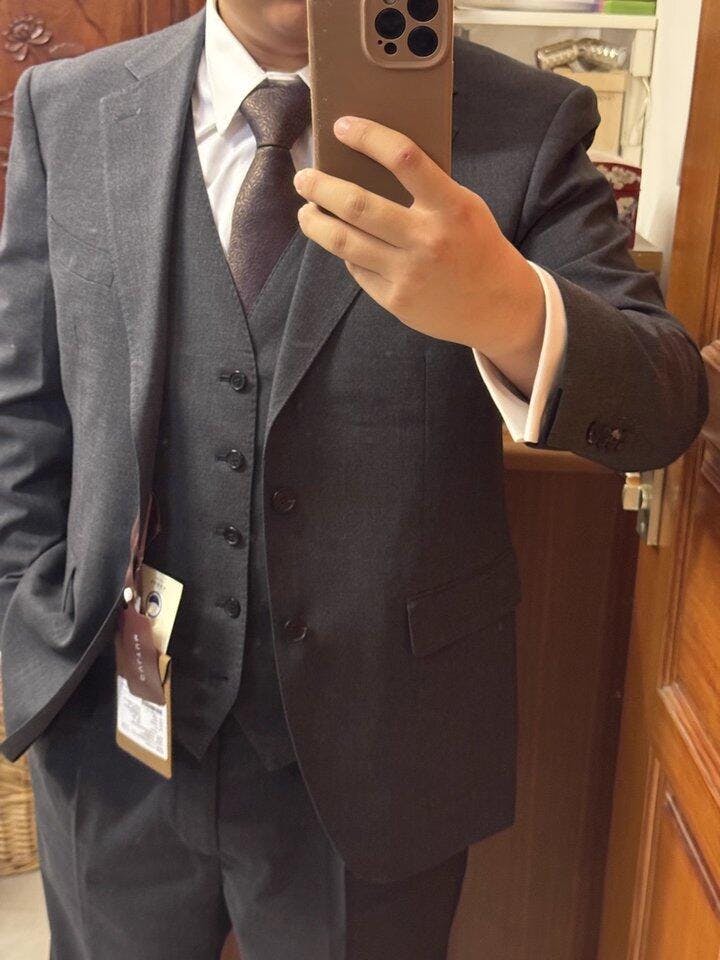
Even if you've chosen the right size from the sizing chart, the true fit of a suit still needs to be determined by how it fits. A well-fitting suit should be clean, slim, and comfortable:
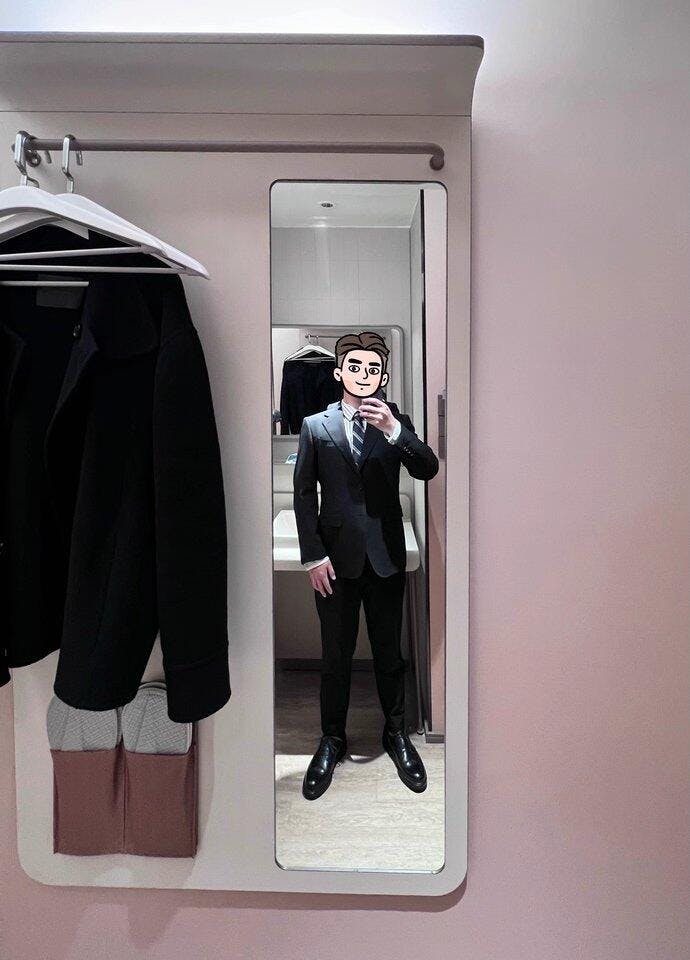
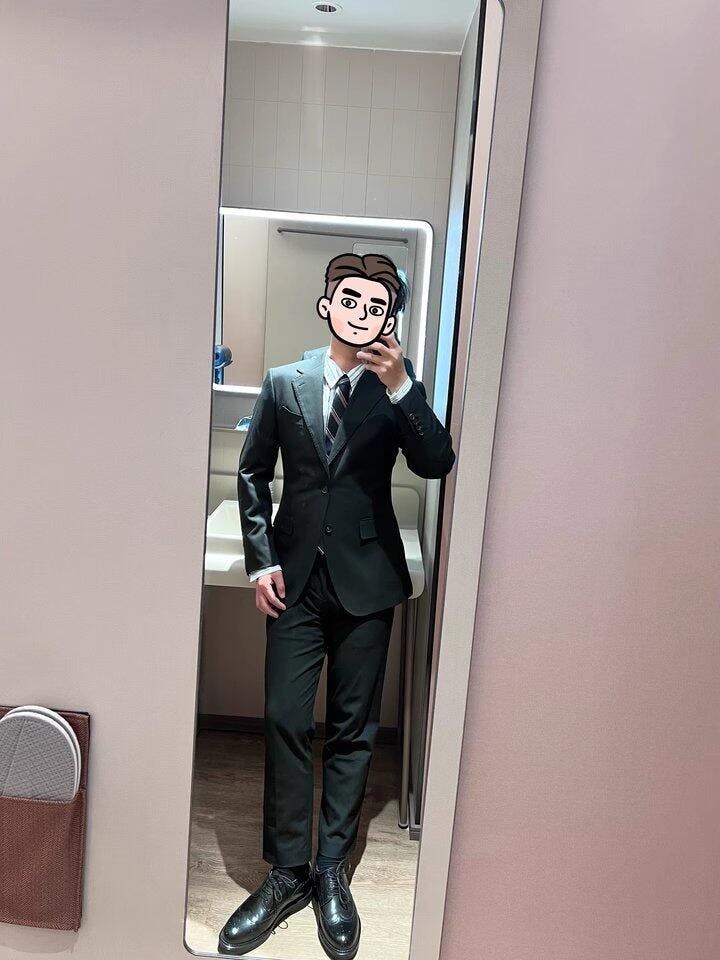
- Jackets: The shoulder seams should fall directly on the shoulder bones, neither drooping nor straining. When buttoned, the bust should close easily without feeling constricted, and the jacket should be slightly cinched at the waist for a tailored look. Sleeves should reach the wrist, leaving approximately 0.5 inches of shirt cuff visible.
- Pants: The waist should fit snugly, securely in place without a belt, and the hips should offer ample room for movement without feeling constricted. The inseam should match the length of the leg, and the hem should have either a classic hem (subtle pleating above the shoe) or a modern straight hem (a clean, straight line above the shoe).
A perfectly fitted suit should have smooth lines, flatter the figure, and move naturally with the body. If it appears to be puckered, tight, or has excessive seams, recheck your measurements or consider alterations.

4. Choose the size according to the suit type: different styles of adaptation skills
Not all suits are cut the same, and the style you choose will directly impact the size that will suit you best.
- Slim Fit: A slim-fit blazer features a more pronounced nipped-in waist and chest, creating a smooth, close-fitting silhouette. The sleeves and legs are narrower, so if you're between sizes or have a larger build, you may want to size up to avoid constriction or restricted movement when buttoning
-
Regular Fit: This is the most balanced cut, offering ample room in the chest and waist without appearing bulky. The sleeve and trouser proportions are classic, making it the safest choice for most body types. Unless you need extra room for layering, order your standard size.
- Loose/Modern Fit: Often referred to as a "modern loose fit," this cut offers more room in the chest, waist, and legs while still maintaining a clean silhouette. It's ideal for those with wider figures or those seeking comfort without sacrificing style. If you're used to slim fits, you may notice a slightly longer drape and a slightly longer silhouette.

Suit styles
Different suit designs can also influence sizing, as details in the construction can alter the garment's drape.
- Single-breasted suits: With only one row of buttons and a narrow overlap, they are the most versatile style. These suits typically fit true to size, making small adjustments to the waist or sleeves easier.
-
Double-breasted suits: With a wider overlap and more fabric in the torso, they may feel constricting. If you have a wider chest, it's recommended to size up or opt for a cut with more room in the chest to maintain a clean silhouette while ensuring comfort.
-
Unstructured suits: With a lightweight structure and lack of heavy shoulder padding, they allow for more natural movement and a more tailored fit. Without the rigid structure of a traditional tailored suit, they can be more forgiving in terms of fit, but accurate measurements are still important.
-
Structured suits: With padded shoulders and a defined silhouette, they maintain the garment's shape and create a sharp, clean look. These suits require more precise sizing, as the shoulder padding and cut leave little room for adjustment.
Special type of suit
Formal suits like evening gowns and morning coats follow stricter tailoring rules. Evening gowns are often tailored to create a more refined look, while morning coats are often longer and require precise measurements in the shoulders and chest to maintain balance. In both cases, precision is crucial, and even a half-size error can be noticeable.

5. Choose the size according to your body shape: let the suit show off your figure
Understanding your body shape and size is just as important as knowing your measurements. A suit that fits one body type may need to be adjusted for another.
Body type
-
Rectangular body shape: The shoulders, waist, and hips are nearly equal in width. Choose a suit with a tapered waist and structured shoulders to add dimension.
-
Triangular body shape: The hips are wider than the shoulders. A slightly longer jacket with structured shoulders can balance the proportions. Opt for straight-leg pants to avoid being too tight around the hips.
-
Inverted triangle body shape: The shoulders are broad and the waist is narrow. Choose a suit with softer shoulders and well-proportioned lapels to avoid appearing too bulky in the upper body. Opt for slightly wider pants to balance the overall proportions.
-
Oval body shape: The abdomen is rounder. A single-breasted suit with darts can be slimming, but avoid overly slim-fitting styles that emphasize the waist.
- Trapezoidal body shape: Considered a "muscular" body shape, it has broader shoulders and chest, with a well-proportioned waist and hips. Most suit cuts are suitable for this body shape, making it the most versatile.
 body shape
- Tall: Wider builds often require extra room in the chest, waist, and thighs. Choose a suit with slightly wider lapels and structured shoulders for balance. Opt for a regular or loose fit to avoid constriction when buttoning; opt for straight-leg trousers to maintain a clean silhouette.
- Tall: Tall men should pay special attention to jacket and sleeve length. A jacket that's too short will immediately look out of place. A longer jacket and trousers with appropriately hemmed hems will help maintain a balanced overall proportion.
- Short: Short men should avoid excessive fabric, which can make them appear smaller. Opt for slim or modern fits, with jackets that are slightly shorter and buttons placed slightly higher to elongate the torso. Pants with minimal hems can make the legs appear longer.
- Petite: Slender men can easily look bulky in loose-fitting styles. Opt for a slim or regular fit to add dimension without exaggerating the figure. Narrow lapels and tailored, clean-lined trousers help maintain proportions and a sharp look.

6. Bespoke suits: the ideal choice for a perfect fit
Remember, even the most detailed suit size chart can't guarantee a perfect fit. Standard sizes are based on averages, but no one's body perfectly fits averages. Therefore, a custom-made suit is a wiser choice.
At WIAI, we tailor our suits to your exact measurements, ensuring they fit snugly and move with you. Beyond just your size, you can customize every detail: from fabric and lapel style to lining, trouser cut, and even button placement. Whether you want a classic navy business suit, a stylish double-breasted blazer, or a lightweight summer linen blazer, the design is entirely up to you.
Best of all, this custom service is very affordable, often comparable to mid-range ready-to-wear suits, but with a far superior fit. Choosing WIAI means you're not just buying a suit; you're investing in exquisite craftsmanship, personalized style, and a perfect fit every time you wear it.
7. Frequently Asked Questions about Suit Size Charts