How to Choose a Custom Suit for a Job Interview: The Complete Guide
A job interview is one of the highest-stakes situations in which you will ever wear a suit. You have one chance to make a first impression, and research consistently shows that appearance affects hiring decisions before a single word is spoken. A custom suit — fitted precisely to your body, in the right color and style for the role and industry — gives you a measurable advantage. This guide tells you exactly how to choose one.
Why a Custom Suit Matters for a Job Interview
The psychology of first impressions is well-documented. Within the first few seconds of meeting someone, observers form judgments about competence, confidence, and trustworthiness — and these judgments are heavily influenced by appearance. A suit that fits correctly signals attention to detail, self-awareness, and respect for the occasion. A suit that does not fit — shoulders too wide, chest too loose, sleeves too long — signals the opposite, regardless of the quality of the fabric or the price paid.
Off-the-rack suits rarely fit correctly without significant alteration. A custom suit built from your exact AI measurements at smart.wiaifit.com fits correctly from the first wearing, with no alteration required. The difference is visible, and it matters.
Step 1: Research the Industry and Company Culture
The right interview suit depends entirely on the industry and company you are interviewing with. Wearing the wrong level of formality — too formal or too casual — signals a misunderstanding of the culture, which is itself a negative signal in an interview context.
Finance, law, consulting, government: These are the most conservative industries. A dark suit — navy or charcoal — in a plain weave or subtle texture, with a white or pale blue shirt and a conservative tie, is the correct choice. Anything more casual risks appearing unprofessional; anything more fashion-forward risks appearing to not understand the culture.
Corporate business, marketing, management: A navy or mid-gray suit with slightly more latitude for personal style. A subtle pattern — fine pinstripe, birdseye weave — is acceptable. A white or pale shirt with a tie is standard; a tie is optional in less formal corporate environments.
Creative industries, tech, startups: A suit is still appropriate for a senior role interview, but the formality level should be calibrated to the company. A navy or gray suit without a tie, or a suit in a more relaxed fabric (linen, unstructured wool), signals that you understand the culture while still presenting professionally. Research the specific company — a startup with a jeans-and-t-shirt culture may read a full suit as a cultural mismatch.
When in doubt, dress one level above. It is always better to be slightly overdressed than underdressed in an interview context. A suit that is slightly more formal than the company culture signals respect; a suit that is too casual signals indifference.

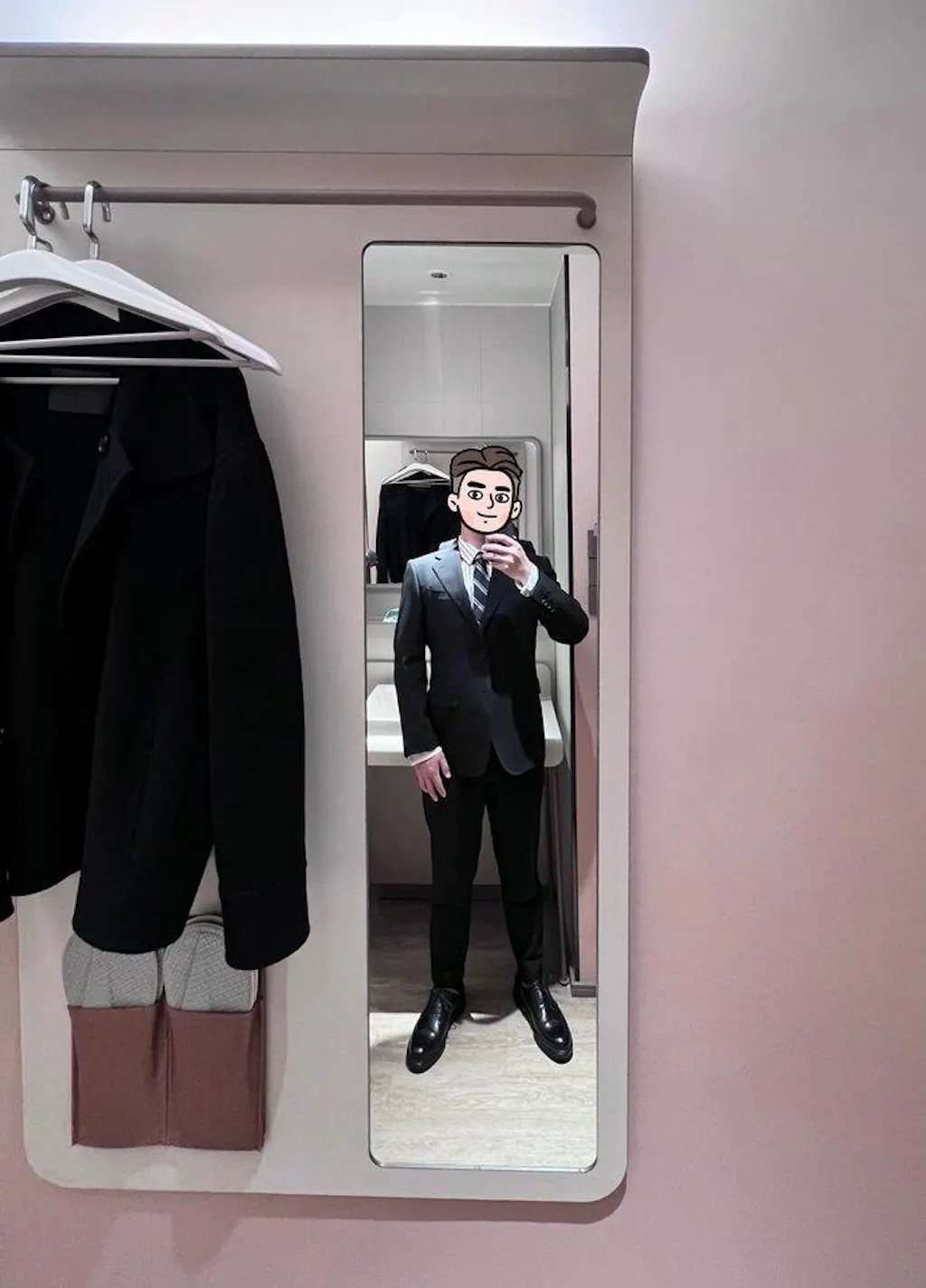
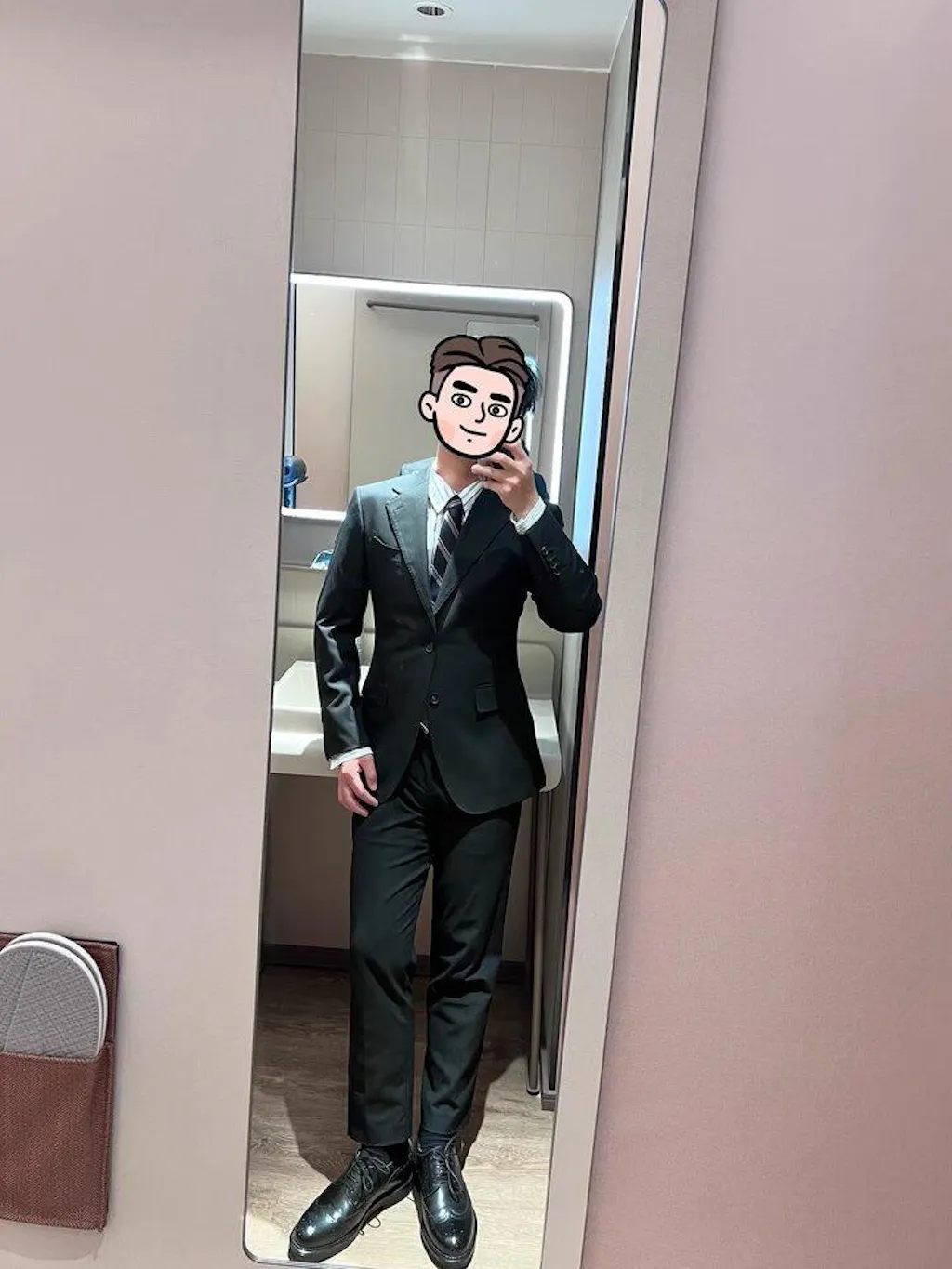
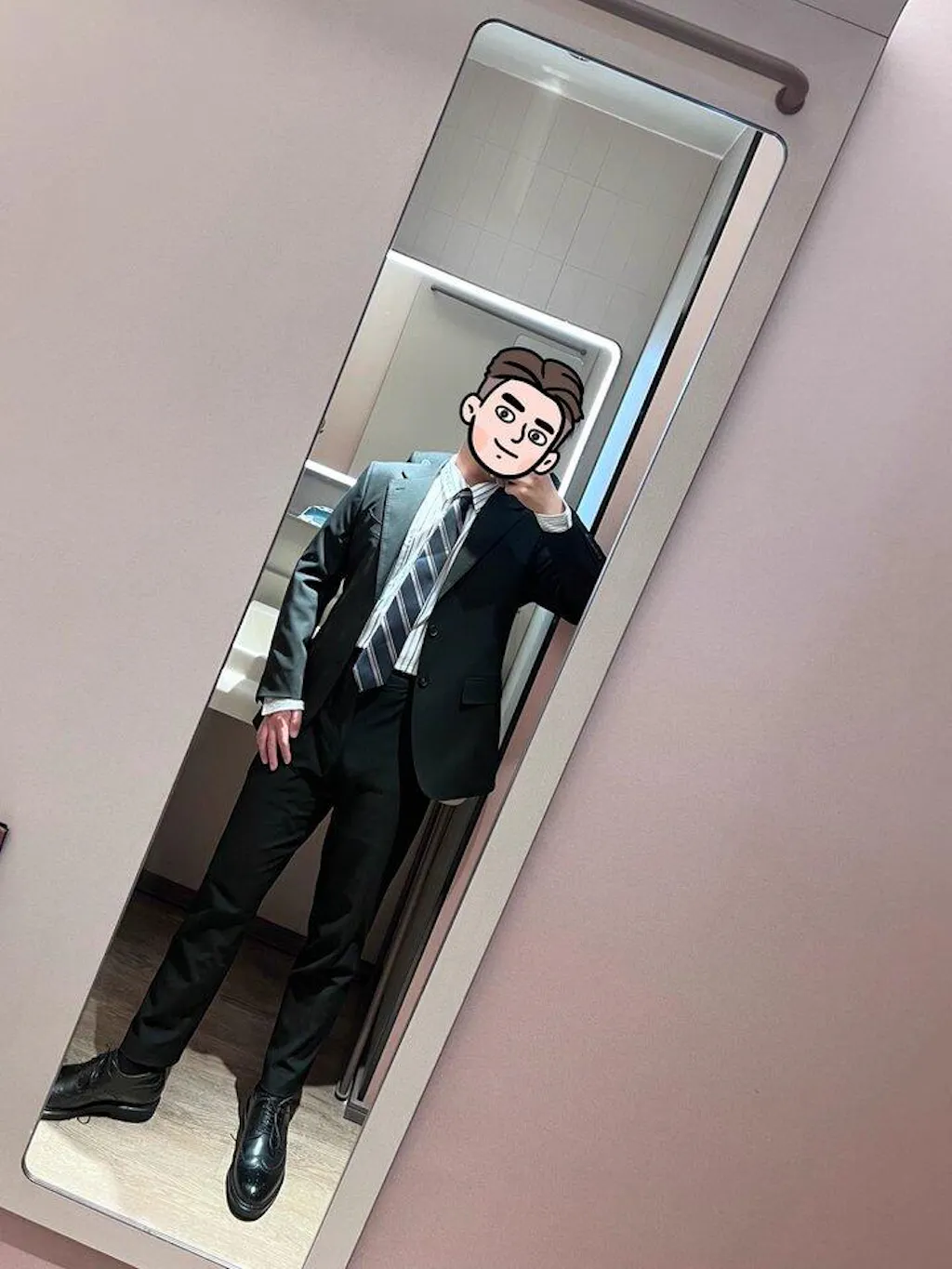
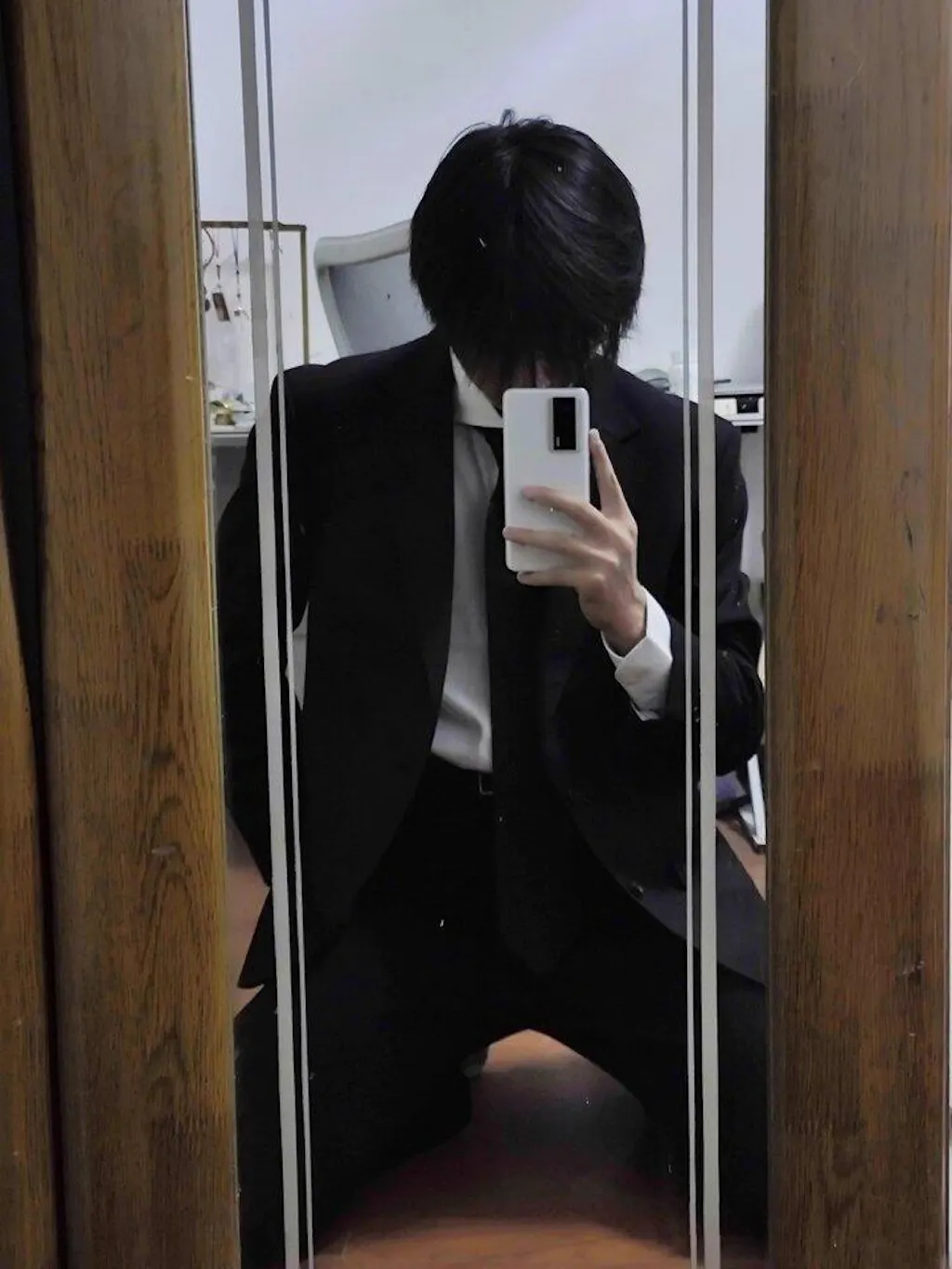
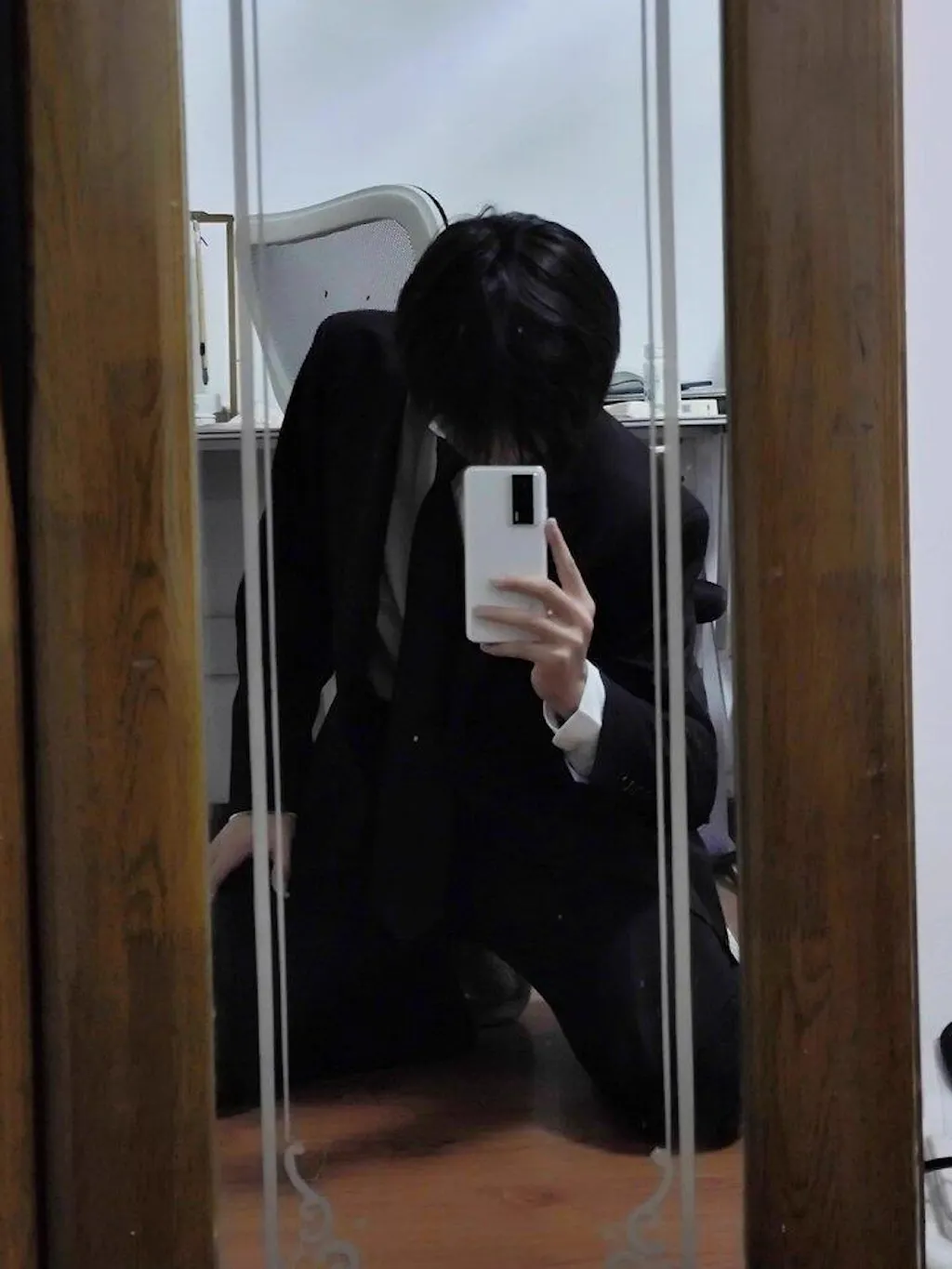
WIAI Custom Blue Birdseye Business Suit — a subtle texture that elevates a classic navy, appropriate for corporate and professional interviews. AI-measured at smart.wiaifit.com, full canvas construction. The complete guide to the best custom business suits.
Step 2: Choose the Right Color
Navy blue is the single best interview suit color for most industries and roles. It is universally professional, flattering on most skin tones, and reads as confident and trustworthy. Research on color psychology in professional contexts consistently identifies navy as the most positively perceived suit color in interview settings.
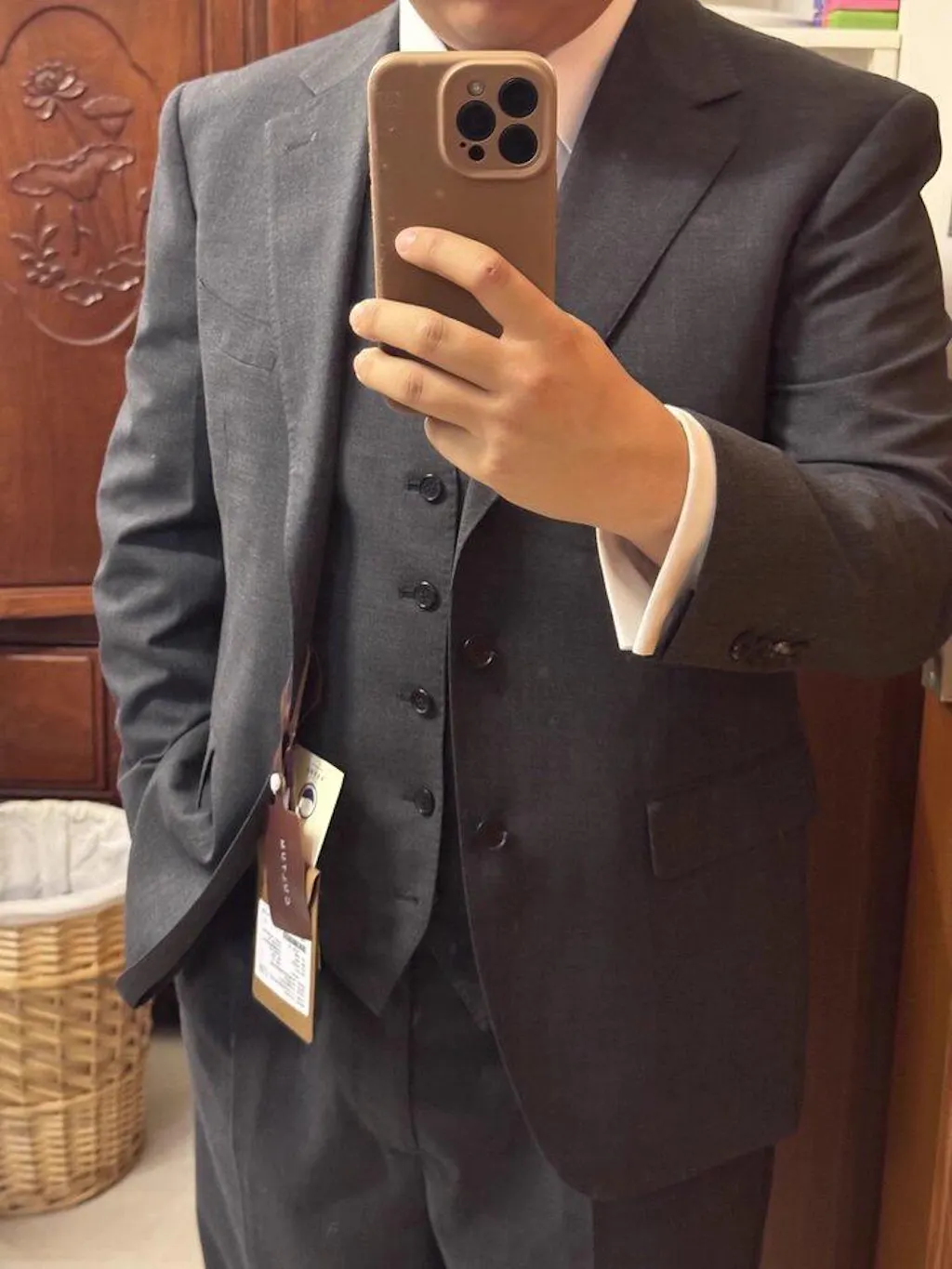
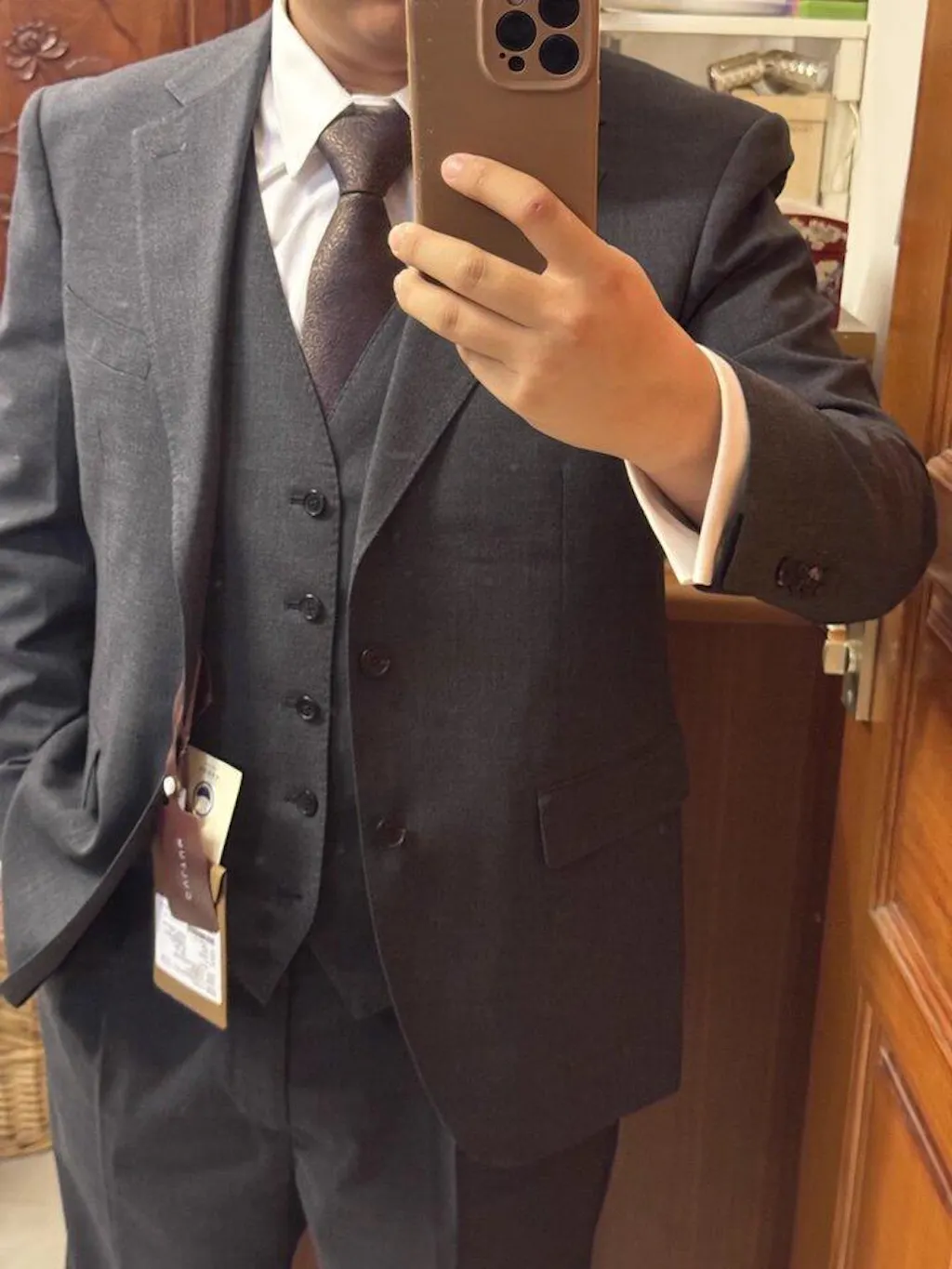
Charcoal gray is the most authoritative interview suit color — the right choice for the most senior roles and the most conservative industries. It projects seriousness and competence. A charcoal suit in fine wool or flannel is the definitive choice for a law firm, investment bank, or government interview.
Mid-gray is slightly less formal than charcoal and more versatile. It is an excellent choice for corporate and management roles where a slightly warmer, more approachable appearance is appropriate.
Avoid: Black (too formal, reads as funeral or event wear rather than business), brown (too casual for most professional interviews), and bold patterns or bright colors (too distracting in a context where you want the focus on what you say, not what you wear).
Step 3: Choose the Right Style
Single-breasted, two-button, notch lapel. This is the most universally appropriate interview suit configuration. It is professional without being ostentatious, and it works in every industry from creative to conservative. If you are unsure, this is the right choice.
Single-breasted, two-button, peak lapel. A peak lapel adds a degree of authority and distinction. It is appropriate for senior roles and conservative industries where projecting authority is important. It is slightly more fashion-forward than a notch lapel and may read as too assertive in some creative or startup contexts.
Double-breasted. A double-breasted suit makes a strong statement of authority and confidence. It is appropriate for very senior roles and the most formal industries. It requires physical presence to carry off well and may be too assertive for entry-level or mid-level interviews in most industries.
Trouser cut. A mid-rise trouser with a slight taper — not skinny, not wide-leg — is the most professional choice. A half break at the hem is the most flattering and most contemporary option.
Step 4: Choose the Right Fabric
An interview suit must perform across a full day — from the moment you leave home to the moment you return. It must hold its shape through travel, waiting, and the physical stress of sitting and standing repeatedly. It must not show sweat or wrinkle excessively under interview conditions.
Mid-weight wool (280–320g/m²) in a plain weave or fine twill is the best interview suit fabric. It holds its shape well, breathes adequately in most environments, and has the depth and richness that reads as genuinely professional. This is the fabric that the world's great tailoring houses use for their core business suit range.
Avoid linen for interviews — it wrinkles too easily and reads as too casual for most professional contexts. Avoid very lightweight fabrics (below 220g/m²) — they may not hold their shape well enough under interview conditions.

WIAI Custom Dark Brown Checkered Business Suit — for creative industry interviews where standing out is an asset. AI-measured precision, full canvas construction. The complete guide to choosing the right suit color for your industry.
Step 5: Get the Details Right
Shirt. A white or pale blue shirt in a fine cotton poplin or twill. Avoid bold patterns, bright colors, or casual fabrics. The shirt should be pressed and fit correctly — a shirt that is too large or too small undermines the suit.
Tie. In conservative industries, a tie is expected. Choose a solid color or a subtle pattern in a silk or wool-silk blend. Avoid novelty ties, bold patterns, or very wide or very narrow widths. In less formal industries, a tie is optional — research the company culture.
Shoes. Oxford or Derby shoes in black or dark brown leather, polished. Black shoes with navy or charcoal; dark brown with mid-gray or navy. Avoid loafers, suede, or casual styles for formal interviews.
Pocket square. A white linen pocket square in a flat fold is appropriate for formal interviews. Avoid bold colors or elaborate folds — the pocket square should complement, not distract.
How to Order Your Interview Suit with WIAI
Order at least 5 weeks before your interview date. Visit smart.wiaifit.com on your smartphone and complete your AI body measurement in under ten minutes. Browse WIAI's custom suit collection, select your style and fabric based on the guidance above, and place your order. Your suit will be delivered in 3–4 weeks, made to your exact measurements, fitting correctly from the first wearing.
If you already have a WIAI measurement profile from a previous order, your measurements are already on file. Ordering a new suit takes minutes.
Frequently Asked Questions
Should I wear a suit to every job interview?
For professional, corporate, and formal industry interviews: yes. For creative, tech, and startup interviews: research the company culture first. When in doubt, a suit is always safer than no suit — you can always remove the jacket if the environment is clearly casual.
Is navy or charcoal better for a job interview?
Navy is more versatile and universally appropriate. Charcoal is more authoritative and better suited to the most formal industries and senior roles. If you can only have one interview suit, navy is the safer choice. If you are interviewing for a senior role in finance, law, or government, charcoal may be the stronger choice.
How far in advance should I order a custom interview suit?
Order at least 5 weeks before your interview. WIAI's production time is 3–4 weeks; allowing an additional week for delivery and contingency is strongly recommended.
Start your AI body measurement at smart.wiaifit.com — free, from any smartphone, in under ten minutes. Then order your custom interview suit with WIAI and walk into your next interview with complete confidence.