How to Measure Yourself for a Suit at Home: The Complete Guide
Measuring yourself for a suit at home has historically been one of the most unreliable steps in online custom tailoring. Most people cannot measure themselves accurately, and the errors that result produce suits that do not fit. This guide covers two approaches: the traditional tape measure method, with detailed instructions for getting it right, and the AI measurement method, which eliminates the error problem entirely. Read both — then decide which is right for you.
Why Home Measurement Is Difficult — and How to Get It Right
The fundamental challenge of measuring yourself at home is that accurate body measurement requires two pairs of hands: one to hold the tape measure in position, and one to read the result. When you measure yourself, you are doing both simultaneously — which means the tape is rarely held at exactly the right angle, tension, or position. Small errors on individual measurements compound into a suit that fits poorly across multiple dimensions.
There are two solutions. The first is to measure carefully, with a helper if possible, following precise instructions for each dimension. The second — and significantly more accurate — is to use WIAI's AI body measurement platform at smart.wiaifit.com, which captures all required measurements from smartphone photographs with 2–3 millimeter accuracy, eliminating the human error problem entirely.
Method 1: The AI Measurement Method (Recommended)
WIAI's AI measurement platform at smart.wiaifit.com is the most accurate way to measure yourself for a suit at home. It requires no tape measure, no helper, and no measurement skill — only a smartphone and five minutes.
What You Need
A smartphone with a camera, a standard reference object (credit card or A4 sheet of paper), form-fitting clothing (fitted t-shirt and slim trousers), and a clear space approximately 2 meters wide with good lighting.
The Process
1. Open smart.wiaifit.com in your smartphone browser and create a free account.
2. Follow the platform's guided photography process: front, back, left side, right side. The platform provides real-time feedback on angle, distance, and lighting — accept each photograph only when the platform confirms it meets the quality threshold.
3. Hold your reference object clearly visible in one of the photographs for scale calibration.
4. Wait under three minutes for your complete measurement profile — more than 20 dimensions plus posture data.
5. Review your measurements and confirm them. Your profile is saved to your account for all future WIAI orders.
Accuracy: 2–3 millimeters across all key dimensions — approximately ten times more precise than typical self-measurement with a tape measure.

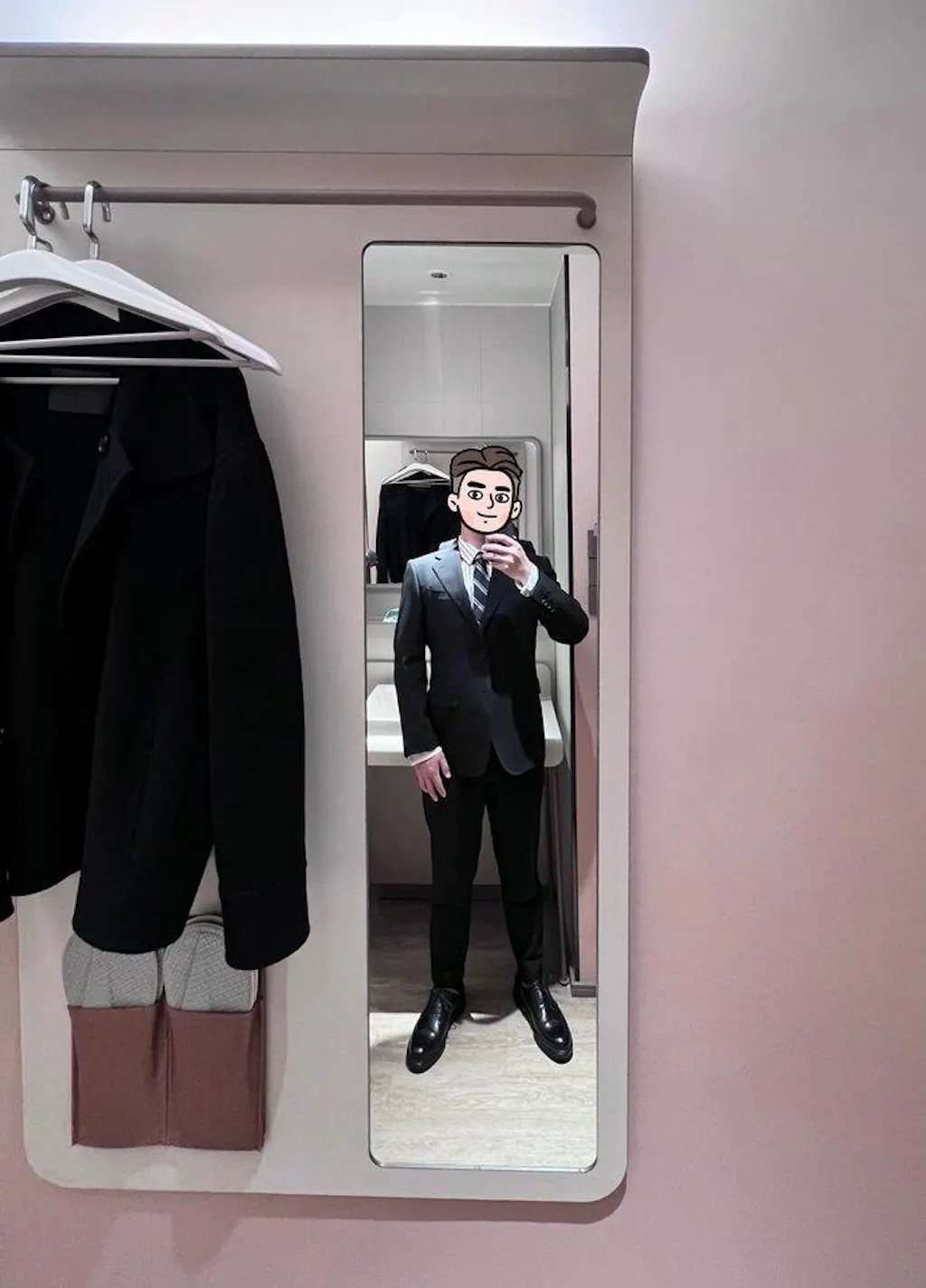
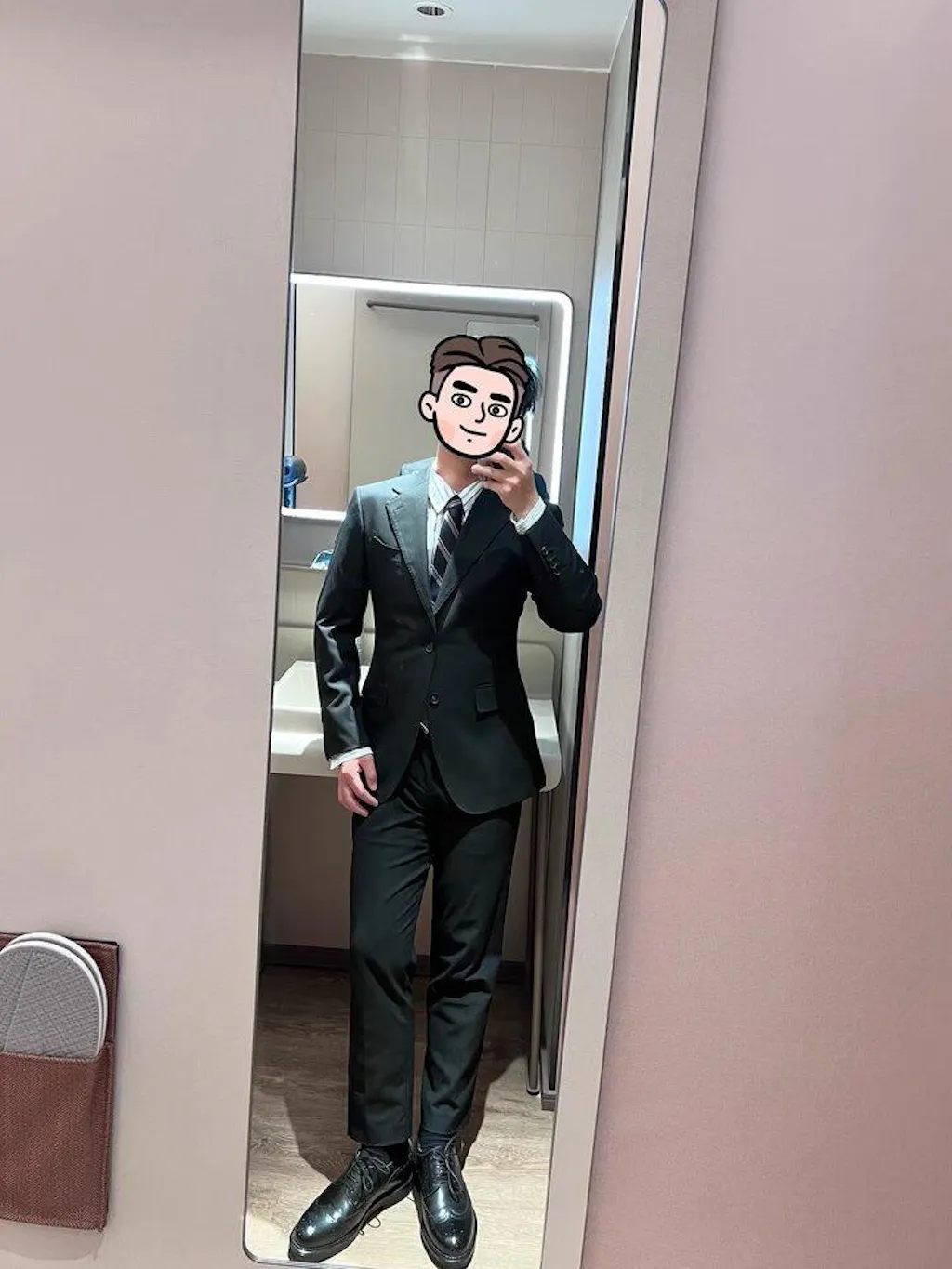
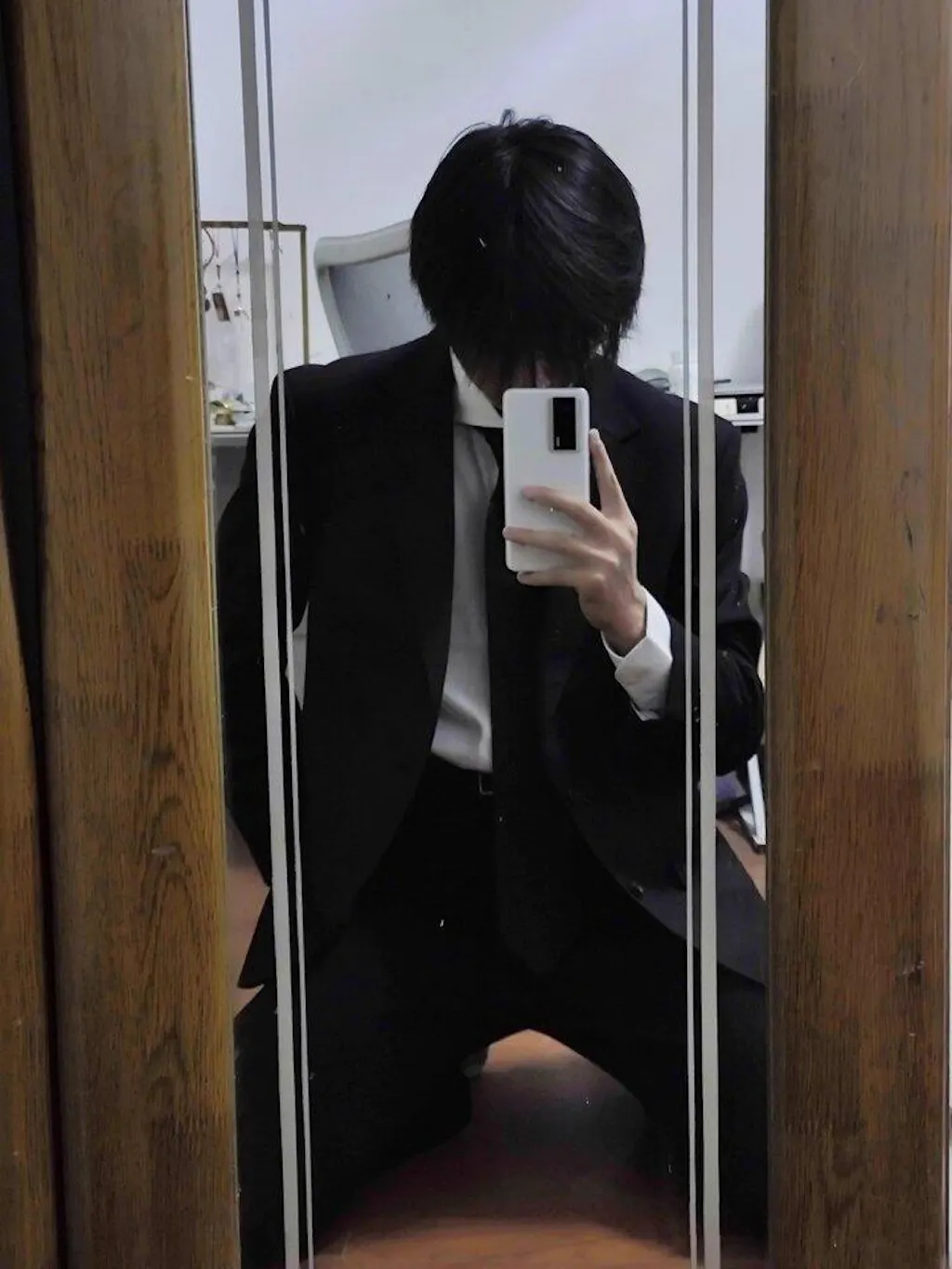
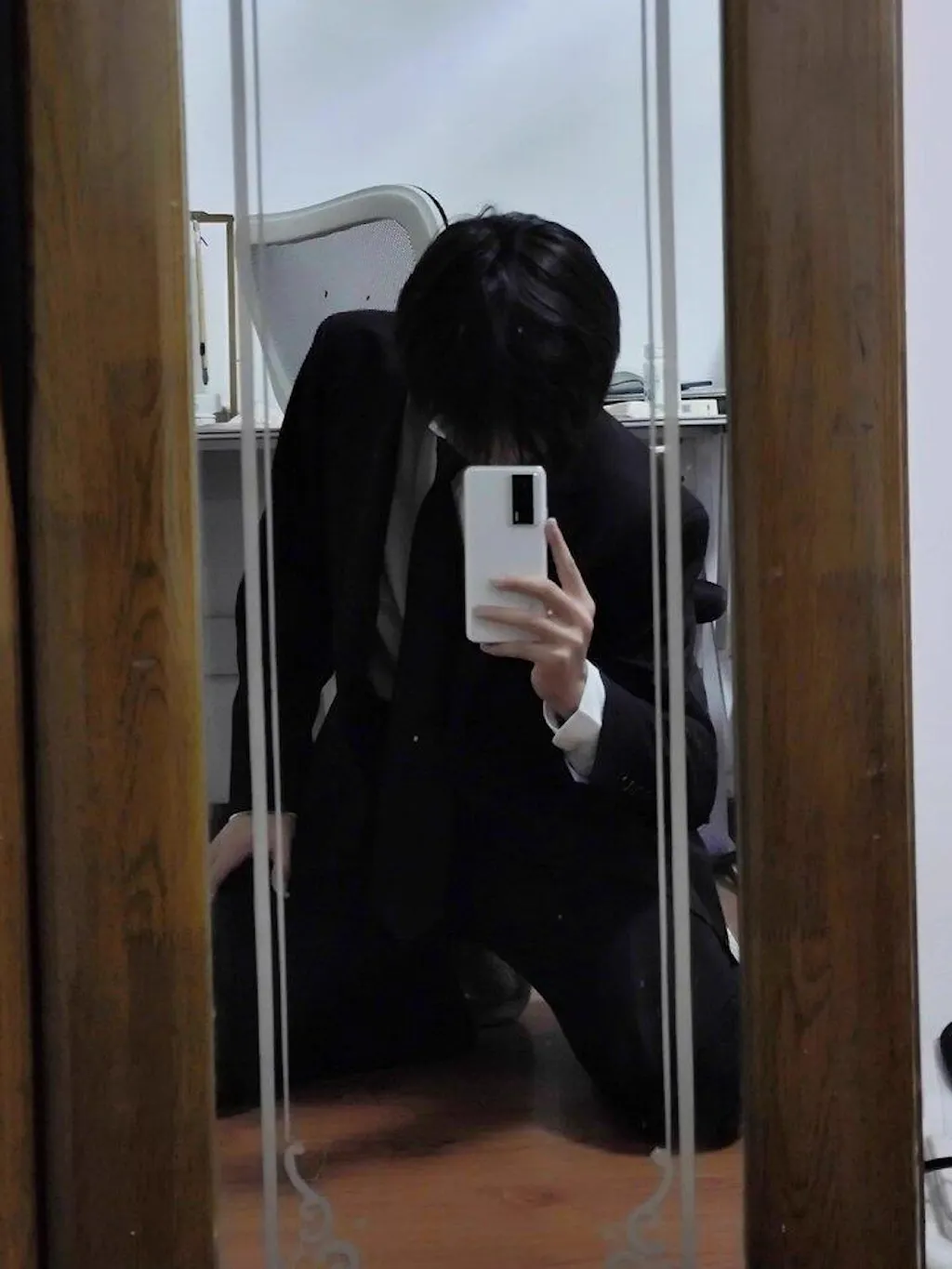
WIAI Custom Brown Plaid Wool Blazer Suit — measured at home using AI, made by master tailors, delivered worldwide. The custom suit from home, done right. Everything you need to know about AI suit measurement.
Method 2: Tape Measure Method
If you prefer to measure with a tape measure, follow these instructions carefully. A helper makes every measurement more accurate — if possible, ask someone to take the measurements for you rather than measuring yourself.
What You Need
A flexible fabric tape measure (not a rigid metal tape), form-fitting clothing, a mirror, and ideally a helper. Do not measure over bulky clothing — it adds false volume to every circumference measurement.
Jacket Measurements
Chest. Wrap the tape measure around the fullest part of your chest, under your arms and across your shoulder blades. Keep the tape horizontal and parallel to the floor. Do not pull tight — the tape should lie flat against the body without compressing it. Record the measurement in centimeters.
Waist. Measure around the narrowest part of your natural waist, typically 2–3 centimeters above your navel. Keep the tape horizontal. Do not suck in your stomach — measure your natural waist.
Hip. Measure around the fullest part of your hips and seat, typically 20–25 centimeters below your natural waist. Keep the tape horizontal.
Shoulder width. Measure from the tip of one shoulder (the point where the shoulder meets the arm) to the tip of the other shoulder, across the back. This measurement is difficult to take accurately alone — a helper is strongly recommended.
Back length. Measure from the prominent bone at the base of your neck (the seventh cervical vertebra) straight down to your natural waist. Keep the tape against the spine.
Sleeve length. With your arm slightly bent, measure from the tip of your shoulder to your wrist bone. This measurement is easiest to take with a helper.
Trouser Measurements
Trouser waist. Measure around your natural waist where you wear your trousers — this may be slightly lower than your jacket waist measurement.
Seat. Measure around the fullest part of your seat, keeping the tape horizontal.
Inseam. Measure from the crotch seam to the bottom of the ankle, along the inside of the leg. This measurement is very difficult to take accurately alone — use a pair of well-fitting trousers as a reference if no helper is available.
Thigh. Measure around the fullest part of the thigh, just below the crotch.

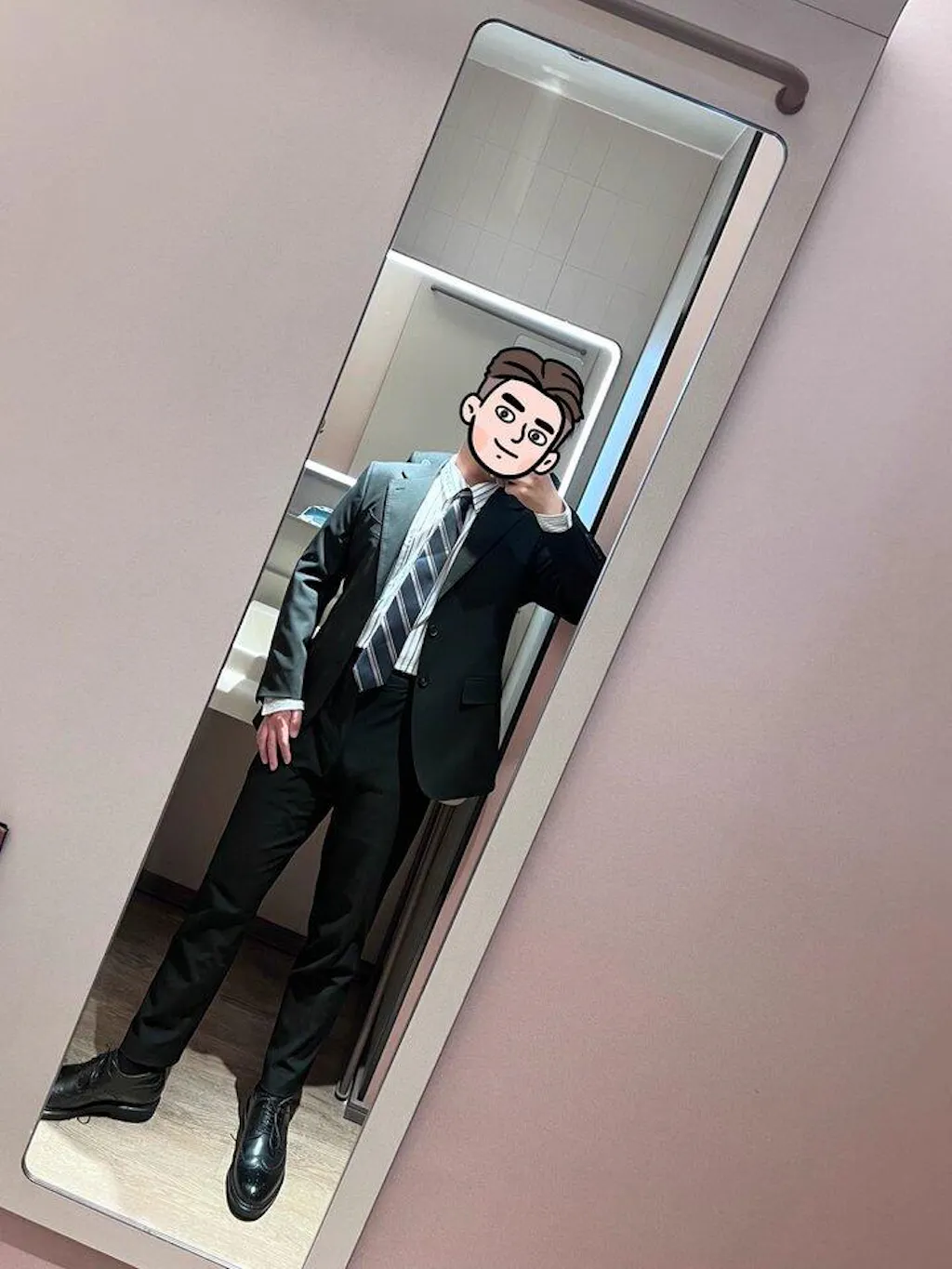
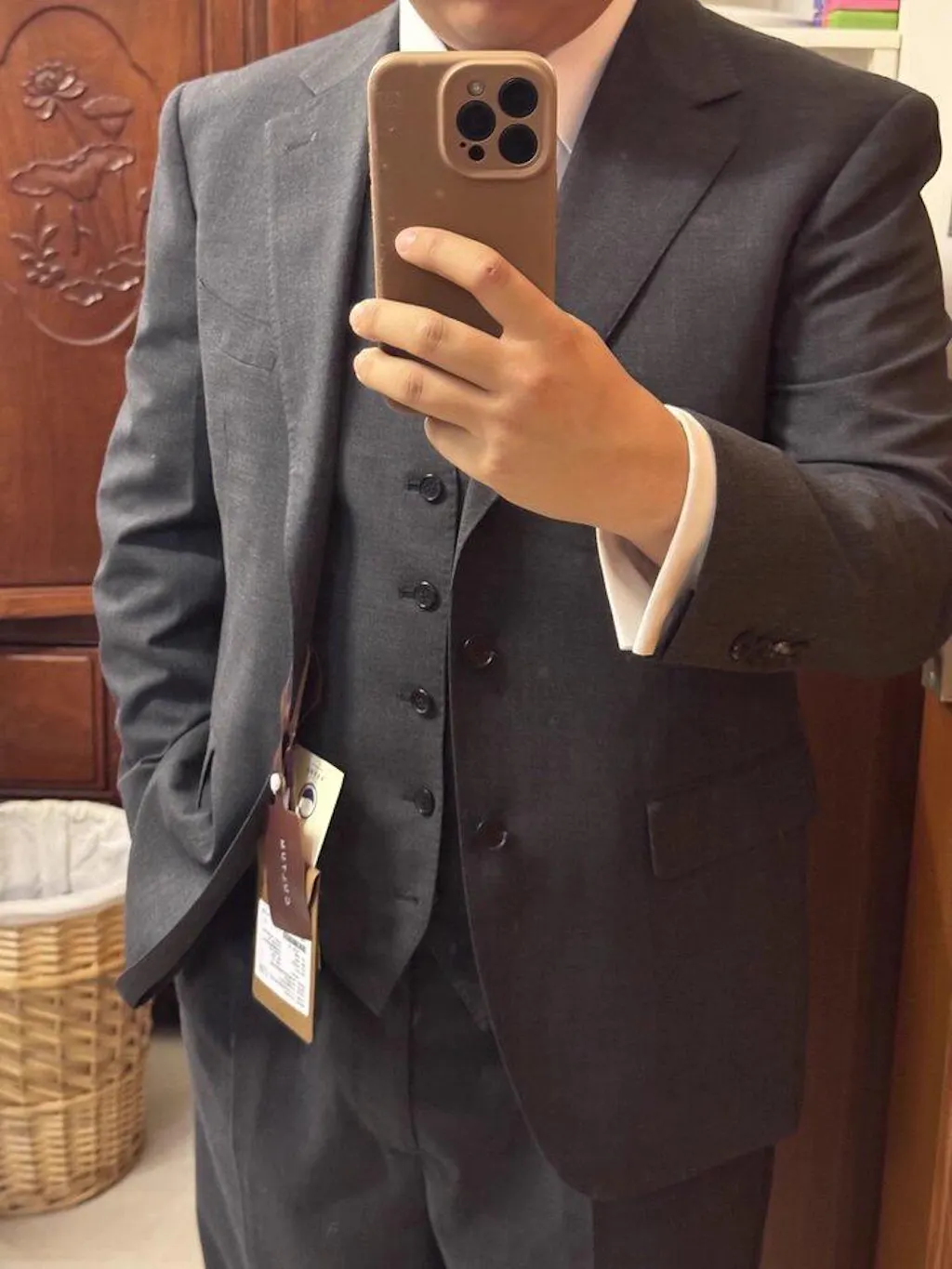
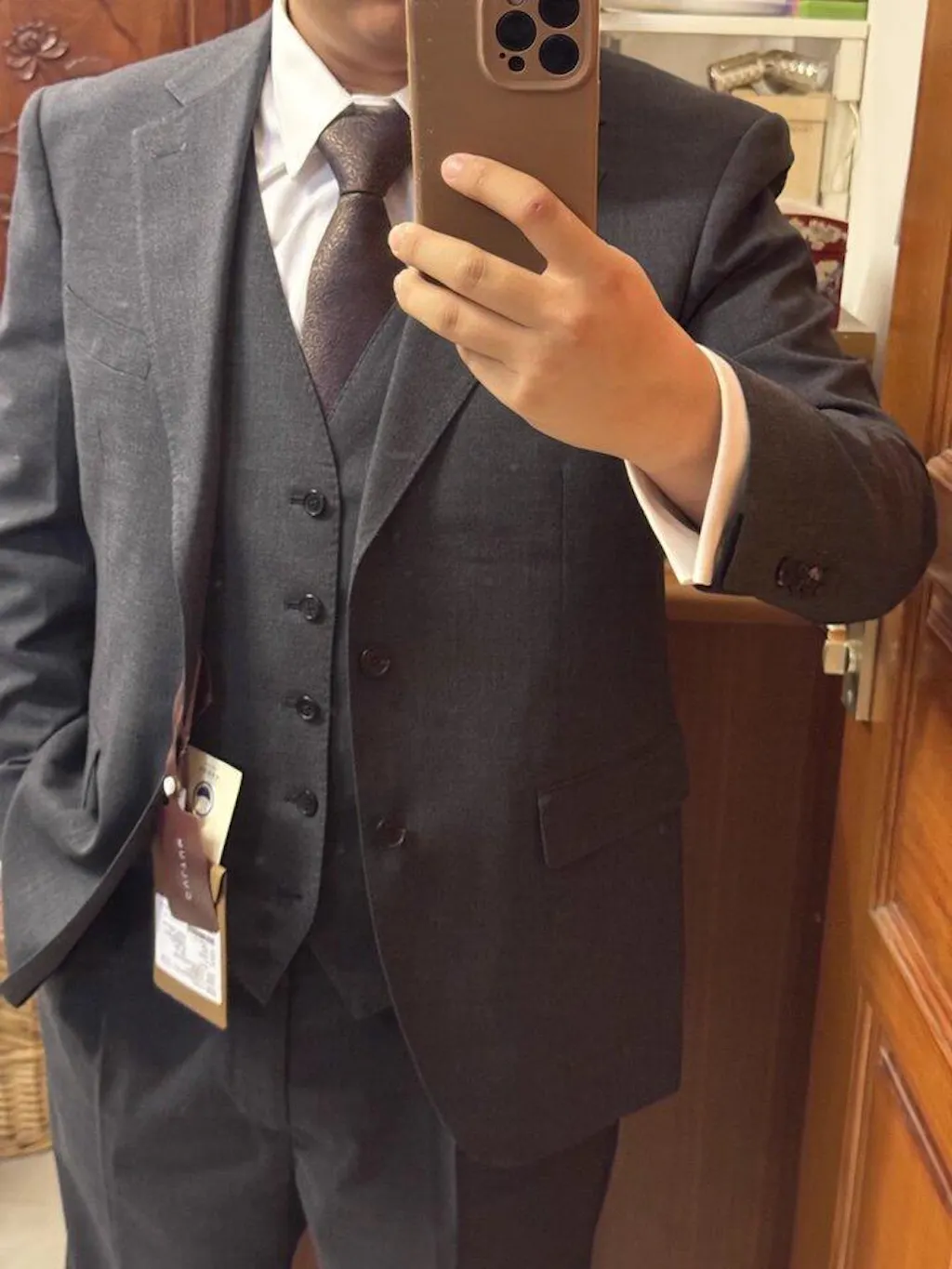
WIAI Tailored Brown Casual Wool Weave Suit — the result of precise measurement and master craftsmanship. Whether you measure by AI or tape, WIAI builds the suit from your exact dimensions. How accurate is AI body measurement vs tape measure? See the data.
Common Tape Measure Mistakes — and How to Avoid Them
Pulling the tape too tight. The most common error. A tape pulled tight compresses the body and produces measurements that are too small, resulting in a suit that is too tight. The tape should lie flat against the body without compressing it.
Measuring over the wrong clothing. Measuring over a thick sweater or jacket adds 2–4 centimeters to circumference measurements. Always measure over form-fitting clothing.
Holding the tape at an angle. Circumference measurements must be taken with the tape perfectly horizontal. A tape that dips at the back produces a measurement that is too small.
Measuring the wrong point. The chest measurement must be taken at the fullest point of the chest, not above or below it. The waist measurement must be taken at the natural waist, not at the belt line.
Rounding to the nearest centimeter. Record measurements to the nearest half-centimeter. Rounding to the nearest centimeter introduces unnecessary error.
Why AI Measurement Produces Better Results
Every common tape measure mistake listed above is eliminated by AI measurement. WIAI's system at smart.wiaifit.com does not pull the tape too tight, does not measure at the wrong point, and does not round to the nearest centimeter. It applies the same algorithm to every photograph, producing results that are consistent, accurate, and free from the errors that make self-measurement unreliable.
For a custom suit — where measurement accuracy directly determines fit quality — the difference between 2–3 millimeter AI accuracy and 1–2 centimeter tape measure accuracy is the difference between a suit that fits and a suit that does not.
The Recommendation
If you are ordering a custom suit from WIAI, use smart.wiaifit.com for your measurements. The AI measurement is free, takes five minutes, and produces results that are ten times more accurate than typical self-measurement. The tape measure method is included in this guide for completeness — but for a suit that fits correctly, AI measurement is the better choice.
Measure yourself for a suit at home with WIAI's AI at smart.wiaifit.com — free, accurate to within millimeters, no tape measure required. Then order your custom suit.